
Making sense of menopause, together.
- Connect with women who get it
- Get expert-reviewed resources
- Learn from real women's experiences
Powered By

You used to breeze through allergy season without a second thought. Now you’re sneezing at breakfast, breaking out in hives after dinner, or waking up with itchy, watery eyes — and it all started around the same time your menstrual cycle began to change. The timing may not be a coincidence.
Perimenopause and menopause already come with a list of surprises, from hot flashes to fatigue. Now add allergies to that list. Hormonal changes can shift how your immune system responds to everyday allergens like pollen, dust, pet dander, and certain foods.
Some women find their allergies get worse during the menopause transition. Others develop new allergic reactions for the first time. This article covers why that happens, which allergies tend to show up or change, and what to do about new allergy symptoms.
Sign up to view the results!
 Continue with Facebook
 Continue with Email
Estrogen and progesterone can affect how your immune system responds, which may help explain changes in allergy symptoms during menopause.
Estrogen and progesterone do a lot more than regulate your menstrual cycle. Both hormones interact directly with your immune system, including the cells that trigger allergic reactions.
 Estrogen can make certain immune cells, called mast cells, more reactive. Mast cells release histamine, the chemical behind sneezing, itching, and hives. Progesterone tends to work the opposite way, helping keep that response in check.
During perimenopause, estrogen and progesterone levels swing up and down. These hormonal fluctuations may affect immune responses involved in allergies.
During menopause, it’s not just existing allergies getting worse. Some women develop allergy symptoms for the very first time during perimenopause or menopause.
Researchers don’t fully understand why, but hormonal fluctuations appear to change how some people’s immune systems respond to substances they used to tolerate just fine.
If unexplained sneezing, skin rashes, or stomach troubles appear for the first time in your 40s or 50s, hormonal changes may play a role.
Allergy symptoms during menopause can affect areas including your airways, skin, and digestive system. Here’s what each can look like.
 Respiratory Allergies
Respiratory allergies are often the most noticeable because they can cause classic hay fever symptoms, such as sneezing, a runny nose, watery eyes, and coughing. These symptoms are often triggered by pollen, dust, or mold.
Asthma can also change during menopause. Some women notice new-onset wheezing or shortness of breath, while others experience worsening asthma flares. These changes may be linked to estrogen’s effect on the airways.
If you’re waking up congested, wheezing after mild exertion, or reaching for tissues or asthma medicine more than usual, mention it to your doctor, especially if it’s new for you.
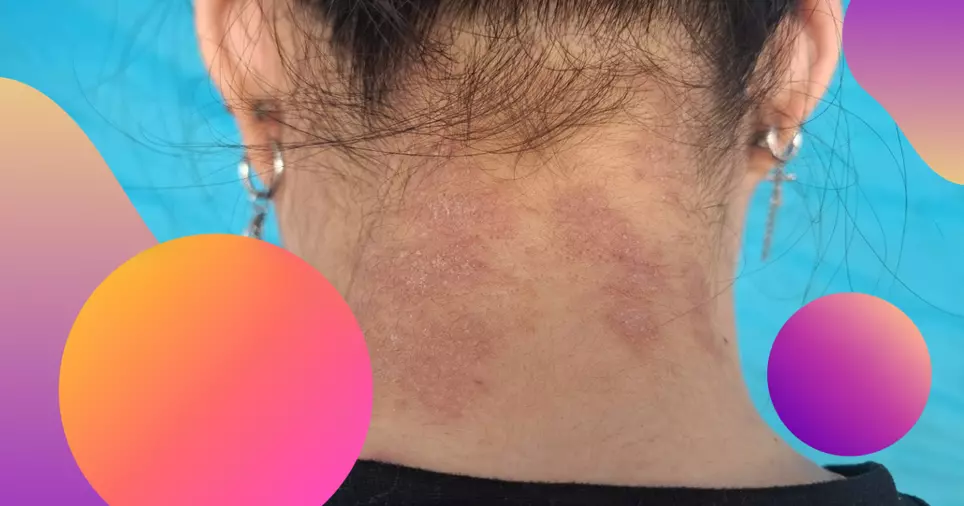
Skin Reactions Like Hives and EczemaLower estrogen levels affect your skin directly, making it thinner, drier, and less able to bounce back from irritation. All of these changes make it easier for allergens to trigger a skin reaction.
Examples of menopause-related skin reactions include hives, eczema, or contact dermatitis. Contact dermatitis is an itchy rash that appears after your skin is exposed to something irritating, like a new lotion or laundry detergent. Itchy skin in general also becomes more common at this life stage, allergy or not.
Keeping your skin barrier strong with gentle, fragrance-free products and regular moisturizing may help, though it won’t eliminate reactions.
Food Allergies and SensitivitiesFood allergies don’t only develop in childhood. Adults can develop an allergy at any age, even to foods they’ve eaten safely for years.
A true food allergy happens when your immune system treats a harmless food as a threat, causing symptoms like hives, swelling, or stomach pain. Food allergies can also cause anaphylaxis, a more severe reaction that affects your whole body.
Food allergies are different from food intolerances, like lactose intolerance, which don’t involve the immune system and are primarily related to digestion.
In adults, the most common food allergies are peanuts, tree nuts, fish, and shellfish. Raw fruits and vegetables can trigger a reaction called oral allergy syndrome in people who are already allergic to pollen. An allergist can help confirm a suspected food allergy and rule out other causes of your symptoms.
First, keep track of your symptoms to see if you notice a pattern. The next step is to figure out what may be causing them, whether the cause is an allergy or something else.
Here’s how that process typically works.
Getting a diagnosis usually starts with a thorough medical history. Your allergist will ask about your symptoms, when they happen, and what you think might be triggering them. A physical exam usually follows to help decide if formal allergy testing makes sense.
A skin prick test is commonly used to check for allergies. A small amount of a suspected allergen is placed on your arm or back, and the skin is lightly pricked. If a raised, itchy bump forms within about 20 minutes, it may indicate sensitivity to that allergen.
Your allergist might order a blood test instead, which measures allergy-specific antibodies and may be used if a skin condition or medications, such as antihistamines or antidepressants, could interfere with a skin test.
A positive result on either type of test doesn’t diagnose or confirm an allergy. Your allergist will weigh it against your medical history and symptoms to reach a diagnosis.
Treatment depends on the type of allergy you have and how severe your symptoms are.
Options for allergies include:
Asthma treatment often includes an inhaled corticosteroid to control airway inflammation, sometimes combined with a bronchodilator. If your asthma changes during menopause, your doctor can help adjust your treatment plan.
The evidence on whether hormone replacement therapy (HRT) helps allergies during menopause is mixed. HRT can ease classic menopause symptoms like hot flashes, but its effects on allergy-related conditions are less clear.
Some research links HRT to changes in asthma or rhinitis symptoms, while other findings suggest it may improve skin hydration and elasticity.
Because the research on HRT and allergies is inconsistent, healthcare providers don’t recommend starting or stopping HRT based on allergy symptoms alone. If you’re already taking HRT and notice new or changing symptoms, mention it to your doctor so you can decide on the right approach together.
Continue with Facebook
Continue with Email
Continue with Facebook
Continue with Email
Become a member to get even more









Join the conversation
This is a member-feature!
Sign up for free to view article comments.
We'd love to hear from you! Please share your name and email to post and read comments.
You'll also get the latest articles directly to your inbox.