
Making sense of menopause, together.
- Connect with women who get it
- Get expert-reviewed resources
- Learn from real women's experiences
Powered By



 Medically reviewed by
Amy Harris, APRN, CNM
·
Written by
Akshita Jindal, Ph.D.
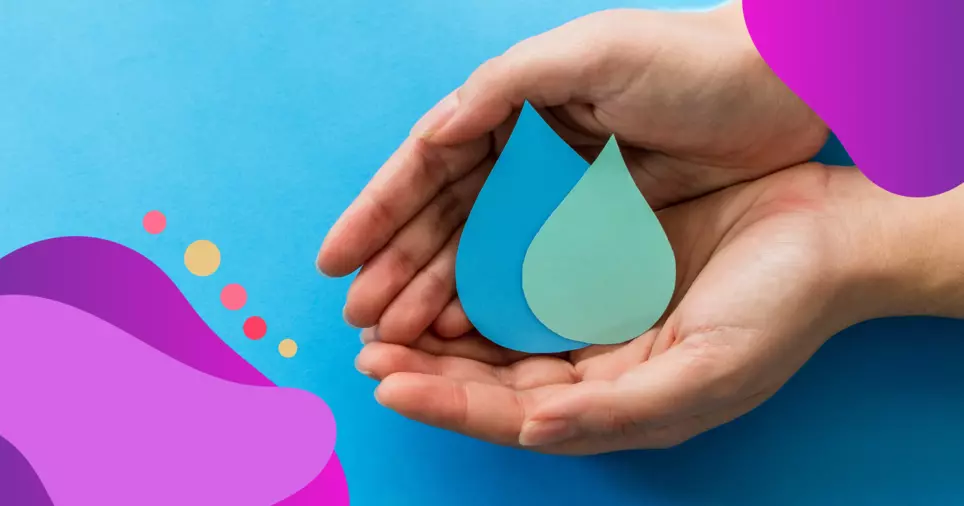
If you’re going through menopause and wake up extremely thirsty after a night sweat or feel lightheaded on a warm day, you might wonder: Can menopause cause dehydration? The answer is no — menopause itself doesn’t directly cause dehydration.
Dehydration happens when you don’t take in enough fluid to replace what you’ve lost. In perimenopause and menopause, however, sweating more and other hormone-related changes may make it easier to become dehydrated.
In this article, we’ll explore how menopause can influence your fluid levels, the signs of dehydration to watch for, and simple tips to help you stay hydrated.
Sign up to view the results!
 Continue with Facebook
 Continue with Email
Menopause can affect how your body handles fluids. A drop in estrogen may affect how the body manages fluids, while sweating from hot flashes can increase water loss. These changes can raise your risk of dehydration, but menopause itself doesn’t usually cause dehydration.
Estrogen helps support skin moisture and plays a role in how your body manages salt and water. When estrogen levels fall, these processes can change. Progesterone, which also fluctuates as you approach menopause, affects how much water and sodium your body retains.
The changing levels of these two hormones during perimenopause and menopause can affect your fluid balance:
Hot flashes and night sweats trigger bursts of sweating, potentially causing you to lose both water and vital minerals.
This fluid loss may be easier to miss in older adults because their sense of thirst decreases with age. This means older adults may feel less thirsty when exercising and not have an urge to drink until they are already on their way to becoming dehydrated.
There are several other ways you may lose fluids when you’re experiencing menopause:
Dehydration doesn’t always start with feeling thirsty. It often sneaks up through subtle changes, some of which can mimic common menopause symptoms.
It’s important to watch out for signs and symptoms of dehydration — like dry mouth, headaches, and muscle cramps — and not write them off as stemming from menopause. For example, a dry mouth during menopause may be caused by hormonal changes affecting your glands that produce saliva, mouth breathing, or medication side effects.
Try drinking water first, but if your symptoms stick around, consult your doctor to figure out what’s really going on.
If you’re dehydrated, you might notice:
Other small hints can be muscle cramps, dry skin, constipation, and more frequent urinary tract infections. Watching for these signs helps you focus on drinking enough water before mild dehydration worsens.

While mild dehydration can often improve with more fluids, severe symptoms may need urgent medical care. Seek emergency medical help if you or someone else experiences any of these symptoms:
Staying hydrated does not require you to chug endless glasses of plain water. It requires building smart, sustainable habits tailored to your changing body. Combining water-rich foods with an awareness of your personal health limits helps you maintain optimal hydration.
A few simple practices in your daily routine can make it much easier to support your body’s changing fluid needs:
Your fluid needs depend on your body weight, physical activity level, climate, diet, and overall health. Instead of counting cups, you can check the color of your pee.
Aim for pale, straw-colored yellow urine. Dark yellow or amber-colored pee is a sign that you need to drink more.
However, if you have certain medical conditions — like heart disease, kidney disease, diabetes, or cystic fibrosis — your healthcare team may recommend a specific amount of fluid each day. If that’s the case, ask them how to best avoid dehydration.
Contact a healthcare professional if you have ongoing signs of dehydration or cannot keep fluids down. Seek urgent or emergency care for severe confusion, fainting, rapid breathing, or other severe symptoms.
During menopause, paying attention to how your body feels can help you recognize when you need more fluids. Supporting your daily hydration needs is a simple, gentle way to care for yourself.
Continue with Facebook
Continue with Email
Continue with Facebook
Continue with Email
Become a member to get even more







Join the conversation
This is a member-feature!
Sign up for free to view article comments.
We'd love to hear from you! Please share your name and email to post and read comments.
You'll also get the latest articles directly to your inbox.