
Making sense of menopause, together.
- Connect with women who get it
- Get expert-reviewed resources
- Learn from real women's experiences
Powered By

It can be hard to keep up with all the menopause symptoms you’re dealing with, but ignoring symptoms won’t make them better. If you’re experiencing vaginal dryness or frequent urinary tract infections (UTIs), they could get progressively worse without medical attention.
Even if vaginal dryness and UTIs feel awkward to bring up with your healthcare provider, they are not symptoms you “have to live with,” emphasized Dr. Angela McCool-Pearson, a board-certified gynecologist at Southern Women’s Specialists in Fairhope, Alabama.
“Suffering isn’t a virtue,” agreed Dr. Christy James Guepet, an OB/GYN at Southern Women’s Specialists.
Here’s what to know about these two common and treatable symptoms.
As many as 90 percent of postmenopausal women experience symptoms of genitourinary syndrome of menopause (GSM). These symptoms include vaginal dryness and UTIs, along with vaginal burning and itching, painful sex, and bladder leaks.
“I have no sex drive, [vaginal] dryness, hot flashes, and chronic UTIs,” one woman shared with ThisIsMenopause.
The Most Overlooked Menopause Symptoms
Dr. Angela McCool-Pearson and Dr. Christy James Guepet explain how vaginal estrogen can help with dryness, UTIs, and painful sex during menopause.
00:00:00:02 - 00:00:09:24
Dr. Angela McCool-Pearson
Most women need vaginal, estrogen vaginal hormones on top of their systemic hormones, and I think they just think that the dryness is just something I have to live with.
00:00:10:01 - 00:00:31:07
Dr. Angela McCool-Pearson
Vaginal dryness because I think a lot of women don’t realize that. Because a lot of them are even on systemic hormones and still have vaginal dryness, and don’t understand that you may need vaginal — most women need vaginal, estrogen vaginal hormones on top of their systemic hormones.
Dr. Christy James Guepet
Frequent urinary tract infections. Your urethra get shorter and shorter as we get older, so bacteria has a shorter course from the outside of the body to the inside of the body.
00:00:31:08 - 00:00:56:02
Dr. Christy James Guepet
We get more frequent UTIs, but vaginal estrogen helps to prevent UTIs. Estrogen just helps with the collagen and elastin, and immune function, and blood flow to the tissue. And it is overlooked all day long every day.
Dr. Angela McCool-Pearson
When that estrogen goes away, the pH changes in the vagina and then the microbiome changes. And so, that just puts you at higher risk for vaginitis and UTIs,
00:00:56:03 - 00:01:17:07
Dr. Angela McCool-Pearson
and most patients don’t realize that.
Dr. Christy James Guepet
Yeah, not to mention painful intercourse, tearing. And then, you know, of course, women don’t want to have sex if they're tearing. It just leads to
Dr. Angela McCool-Pearson
all kinds of sensation, too. So not only it doesn’t feel good because it hurts, also, it just doesn’t feel good.
Dr. Christy James Guepet
So, you know, if you’ve got a relationship going with your gynecologist, but you all haven’t talked about that,
00:01:17:08 - 00:01:21:20
Dr. Christy James Guepet
schedule a consult.
Voiceover
Learn more and connect at ThisIsMenopause.com.
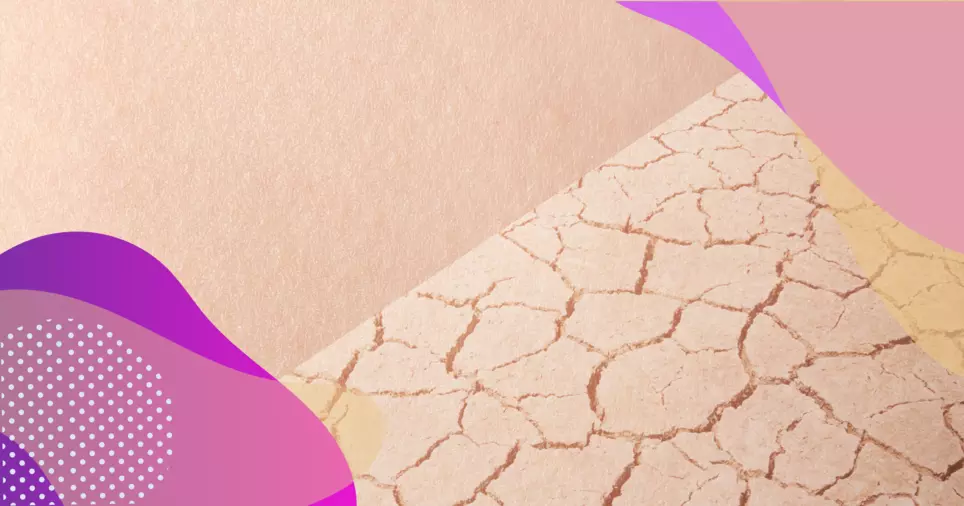
For many women, drops in estrogen during menopause are the main cause of vaginal dryness and can also make UTIs more likely.
When estrogen levels drop, vaginal tissues can thin and become less elastic and lubricated. In turn, you may start to experience vaginal dryness, itchiness, or burning. Along with the daily discomfort, these symptoms can also cause painful sex.
“When that estrogen goes away, the pH changes in the vagina and the microbiome changes. And so that just puts you at higher risk for UTIs. And most patients don’t realize that,” Dr. McCool-Pearson said.
Changes in the urethra are also behind the increased risk of UTIs. “The urethra gets shorter and shorter as we get older,” Dr. Guepet explained. “So bacteria have a shorter course from the outside of the body to]the inside of the body.”
The impact of menopause on urinary function isn’t sufficiently understood, according to Dr. Guepet.
“If I could give one public service announcement to primary care doctors, urologists, [and] urgent care physicians, it is to be aware that vaginal atrophic changes in perimenopause and menopause lead to UTIs and urinary symptoms,” she said.
Local vaginal estrogen gradually releases estrogen into your vaginal tissues to treat vaginal dryness and other GSM symptoms. “Vaginal estrogen helps with the collagen and elastin and immune function and blood flow to the tissue,” Dr. Guepet said.
You may be prescribed a cream, a ring, or a tablet that is inserted into the vagina. Very little estrogen gets absorbed into the blood, so you may be a candidate for vaginal estrogen even if you aren’t a candidate for systemic estrogen.
Vaginal estrogen only treats GSM and not symptoms like hot flashes. While systemic estrogen (hormone replacement therapy, or HRT) can be highly effective at treating a host of menopause symptoms, it may not adequately address GSM.
“A lot of [women] are even on systemic hormones and still have vaginal dryness,” Dr. McCool-Pearson noted. “[They] don’t understand that you may need vaginal [estrogen].”
 Continue with Facebook
 Continue with Email
Continue with Facebook
Continue with Email
Continue with Email
Continue with Facebook
Continue with Email
Become a member to get even more









Join the conversation
This is a member-feature!
Sign up for free to view article comments.
We'd love to hear from you! Please share your name and email to post and read comments.
You'll also get the latest articles directly to your inbox.