
Making sense of menopause, together.
- Connect with women who get it
- Get expert-reviewed resources
- Learn from real women's experiences
Powered By

Exercising is an important part of self-care during menopause, but it can be hard to know where to start. Symptoms of perimenopause can affect what feels comfortable and safe. You may wonder, “What exercises are safe to do, and which ones should I avoid?”
While there are no specific exercises everyone in perimenopause should avoid completely, some may be less helpful if they’re the only type of exercise you do.
This article explains which exercises you might want to do less often during perimenopause and which ones you may want to focus on.
 Why Is Exercise Important During Menopause?
During perimenopause, estrogen levels naturally drop. This can affect many parts of the body, including muscles and bones. As a result, women may be more likely to lose muscle mass and develop osteoporosis (weak, thinning bones) over time.
Drops in estrogen can also affect the cardiovascular system, or the heart and blood vessels. Many women are more likely to develop high cholesterol and high blood pressure.
For these reasons, women may benefit from exercises that raise their heart rate while also helping build muscle and bone. In general, weight-bearing exercises — activities that put weight through your feet or hands — are among the most effective.
 Exercises To Deprioritize During Menopause
Health experts don’t recommend avoiding any specific type of exercise during perimenopause and menopause, but they may suggest changing your routine.
Because the priority is maintaining muscle and bone, it may help to spend less of your exercise time on non-weight-bearing activities, such as:
These exercises have benefits. Swimming can improve endurance, and gentle yoga can help support mental health. But if swimming is your only exercise three times a week, you may miss out on movements that are more effective for building muscle and bone.
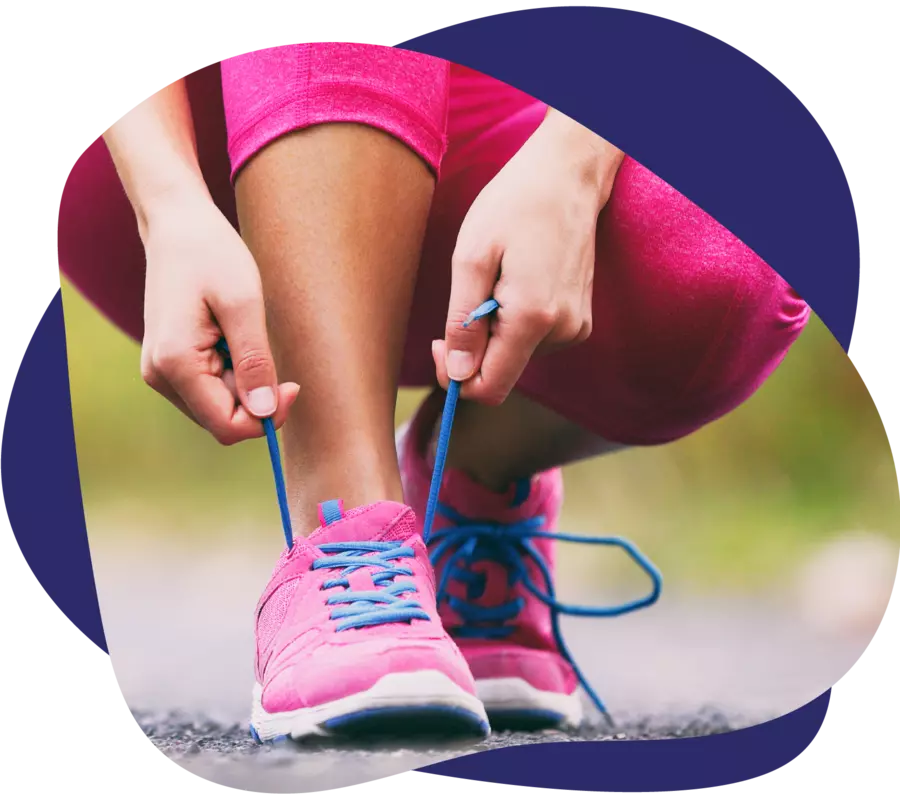
Some women’s perimenopause symptoms affect how they feel, including pain and fatigue. “I have no energy these days, and now my weight won’t budge,” wrote one ThisIsMenopause member.
Another member shared, “With sweating all the time, I’m not able to exercise like I need to keep my body in shape.”
Others may develop health issues, like heart problems, osteopenia (thinning bones, but not quite osteoporosis), or pelvic floor problems that cause bladder leaks.
The best exercise advice may be different in these cases. You may need to avoid or change some exercises, at least until your symptoms are under control.
Below are some common conditions associated with menopause and typical exercise considerations, but always ask your healthcare team for advice.
A healthcare provider, like a physical therapist, can help you pick the right exercises and teach you how to do them safely, comfortably, and confidently.
If you’ve never lifted weights before, perimenopause or menopause is a great time to start. It’s also important to take care of your heart health with aerobic exercise.

One of the best types of weight-bearing exercise to do during perimenopause — and to continue after menopause — is resistance training. This type of training is important because it helps maintain or build muscle and improves balance and coordination.
Also, when you have more muscle, you tend to burn more calories, which can support weight management.
Resistance training can include:
Aerobic exercise is important for supporting heart, muscle, and bone health and for maintaining a healthy body weight. Weight-bearing aerobic exercises include:
One study suggested that high-intensity interval training (HIIT) could be an effective way for women in midlife to lose body fat. HIIT is a form of exercise that switches between high-intensity and low-intensity periods to vary heart rate.
While weight-bearing exercise may be most valuable, adding in non-weight-bearing activities can still help you meet your health goals.
For example, the study above found that cycling HIIT was more effective for fat loss than running. And if swimming makes you happy or decreases stress, it’s worth incorporating into your wellness routine.
 Why Balance Matters
During menopause, your exercise routine doesn’t have to be all-or-nothing. Low-impact exercises, like swimming, biking, and yoga, can still support your health. But for muscle, bone, and heart health, it may help to include resistance training and weight-bearing aerobic exercise most weeks. A physical therapist or trainer can help you build a routine that fits your symptoms, fitness level, and health needs.
 Need Exercise Guidance?
Starting an exercise routine, especially at the gym, can be intimidating. Contact a personal trainer for help if you aren’t sure where to start, and ask gym employees how to perform exercises safely on unfamiliar machines.
If your menopause symptoms affect your ability to exercise, or if you have other conditions that may limit your activity, talk to a doctor or physical therapist. They can help you exercise safely.
 Continue with Facebook
 Continue with Email
Continue with Facebook
Continue with Email
Continue with Email
Continue with Facebook
Continue with Email
Become a member to get even more










Join the conversation
This is a member-feature!
Sign up for free to view article comments.
We'd love to hear from you! Please share your name and email to post and read comments.
You'll also get the latest articles directly to your inbox.