Making sense of Menopause, together

  • Connect with women who get it
  • Get expert-reviewed resources
  • Learn from real women's experiences
Sign Up Log In
Powered By

Body Aches During Menopause: What’s Behind the Pain?

Medically reviewed by Danielle Grimm, MPH, MSN, CNP, WHNP-BC, MSCP · Written by Nicole Hernandez, PT, DPT · March 18, 2026

Key Takeaways

  • Body aches during perimenopause are linked to hormonal changes, especially drops in estrogen, which can affect bones, muscles, and joints throughout the body.
  • View full summary

“I’ve been going through body aches and hot flashes. Even my skin feels different to me,” one woman reported in a survey by ThisIsMenopause.

Another respondent wished she had known how severe some symptoms can feel. “I didn’t expect the amount of body aches and the brain fog. I would have prepared better had I known,” she said. Another woman agreed, describing her aches as miserable.

🗳️ Do you experience body aches?
Yes
No

Why are body aches a symptom during perimenopause? What causes the pain and discomfort, and what can you do to manage it? Read on to find out.

Why Does Perimenopause Cause Body Aches?

Women experience major hormonal changes during perimenopause. Understanding these changes can clarify the connection to musculoskeletal (muscle and bone) symptoms, including body aches and pains.

Hormone Changes During Perimenopause

Perimenopause is a natural part of aging for women. It marks the beginning of the body’s transition to menopause, defined as 12 months without a menstrual period. It usually starts around age 45, but everyone is different. Some start perimenopause in their mid-30s or in their early 50s.

During perimenopause, hormone levels change a lot, and menstrual periods often become irregular. Estrogen and progesterone levels change during perimenopause, which can affect the menstrual cycle and lead to symptoms.

As hormone levels shift, women experience a wide array of symptoms. Each woman’s experience is different. Aside from irregular periods, common symptoms include mood swings, hot flashes, sleep issues, and vaginal dryness.

The Link Between Hormone Shifts and Body Aches

Research also suggests links between perimenopause and a range of other musculoskeletal symptoms, including aches and pains. Some health experts call this musculoskeletal syndrome.

Estrogen plays a big role in protecting the body’s tissues. Estrogen receptors are located throughout the body, including bones, ligaments (tissues that connect bones), and muscles. When estrogen levels drop, bones may weaken, inflammation may increase, and it can become harder to build new muscle. This leaves women vulnerable to other issues, including:

  • Osteoporosis — Bones become less dense and more brittle, which increases the risk of fractures.
  • Osteoarthritis — Cartilage wears down over time, which can cause pain and stiffness.
  • Sarcopenia — Loss of muscle mass can make everyday activities harder.

Research has also suggested a link between perimenopause-related hormonal changes and frozen shoulder. This condition causes thickening of the shoulder joint capsule (the ligaments surrounding the shoulder), which can lead to pain and stiffness for several months or, in severe cases, for years.

More Links to Similar Conditions

Women may also experience other aches and pains throughout their bodies due to the drop in estrogen levels.

Breast tissue contains estrogen and progesterone receptors. Shifting hormones can contribute to discomfort in one or both breasts, either all the time or around the same time each month during your menstrual cycle, including:

  • Nipple pain or sensitivity
  • Aching, burning, or throbbing
  • Tenderness to the touch

Some women may also develop noncancerous cysts (lumps), which can cause more breast discomfort. These cysts can change in size throughout a menstrual cycle. It’s important to know how your breasts normally look and feel and to report any new lump or other change to a healthcare professional.

Drops in estrogen can cause headaches or worsen migraines, especially in women with a history of period-related migraines. Other issues connected to perimenopause can also contribute to worsening migraines, including anxiety, depression, and sleep disruptions. These migraines may improve after menopause once hormone levels are more stable.

Are Body Aches Due to Perimenopause or Something Else?

Not everyone going through perimenopause experiences body aches caused by hormonal changes. Aches may be due to other causes, including a new injury or an autoimmune condition (where the immune system mistakenly attacks the body). In some cases, hormonal shifts can make existing issues worse, like migraines discussed above.

Because perimenopause symptoms can overlap with other conditions, it’s important to talk to your healthcare team about anything new or changing. They can rule out other conditions, help you find the root cause, and develop a plan to treat it. Contact your doctor if:

  • You have severe or constant pain that affects your daily activities.
  • A family member or friend notices changes in your posture or height, or you develop sudden back pain, which could be related to osteoporosis.
  • You don’t see symptoms improving with self-care.

How Can You Relieve Body Aches?

Your doctor may suggest a few treatment options for body aches related to musculoskeletal syndrome. While some people benefit from medications, many find symptom relief with lifestyle changes.

Hormone Therapy

One way doctors can treat (and sometimes confirm) musculoskeletal syndrome is by prescribing hormone therapy. Hormone therapy involves taking estrogen, and sometimes progesterone, to help relieve symptoms. If body aches improve after taking hormones, it could help you understand if they were related to perimenopause.

Whether to prescribe hormone therapy is decided on a case-by-case basis. Ask your doctor if it’s right for you.

Over-the-Counter Medication

Nonsteroidal anti-inflammatory drugs (NSAIDs) may offer temporary relief. These include ibuprofen (Advil) or aspirin. Talk to your doctor before starting NSAIDs to make sure they’re safe for you and don’t interfere with other medications.

Physical Activity

Regular exercise can keep bones, muscles, and joints healthy. Physical activity guidelines recommend 150 minutes of moderate-intensity aerobic (endurance) activity every week, like doubles tennis or brisk walking. If you’re able, you can do 75 minutes of vigorous aerobics per week instead, like heavy yardwork or running. Guidelines also recommend two days of strength training, like lifting weights.

Women going through perimenopause may need to prioritize a challenging-but-doable level of strength training to prevent muscle and bone loss. If you’re not sure where to start or how to lift safely, ask your doctor if you should see a personal trainer. In some cases, especially if you have joint or bone problems, a physical therapist can recommend safe exercises and show you how to build strength without overdoing it.

Try exercising outside when you can. Some sunlight exposure can help your body make vitamin D, which supports bone health and may improve mood.

Sleep Hygiene

Poor sleep can make pain worse, and pain can disrupt sleep. Try making small changes to your daily routine that encourage sleep hygiene, including:

  • Establish a bedtime routine, like going to bed at the same time every night.
  • Keep your bedroom cool, ideally around 65 to 68 degrees Fahrenheit.
  • Minimize light and noise to prevent sleep disruptions.
  • Avoid afternoon caffeine.

Emotional Support

About 4 in 10 women experience mood changes during perimenopause or menopause. Stress can cause tension throughout the body, which can contribute to muscle pain or headaches.

It may help to find relaxation techniques that work for you, such as meditation, regular exercise, or better sleep habits. If you need additional support, talk to your doctor about therapy, which can help you feel better.

Diet Changes

Certain foods, like added sugars, can contribute to body inflammation. Your doctor or a dietitian may suggest eating more anti-inflammatory foods, like omega-3 fatty acids found in flaxseeds, chia seeds, and fish. Some common fish, like salmon and trout, also contain vitamin D to support bone health. Your doctor may also suggest prioritizing colorful fruits and vegetables or eating quality lean meats to help maintain muscle.

Alternative Therapies

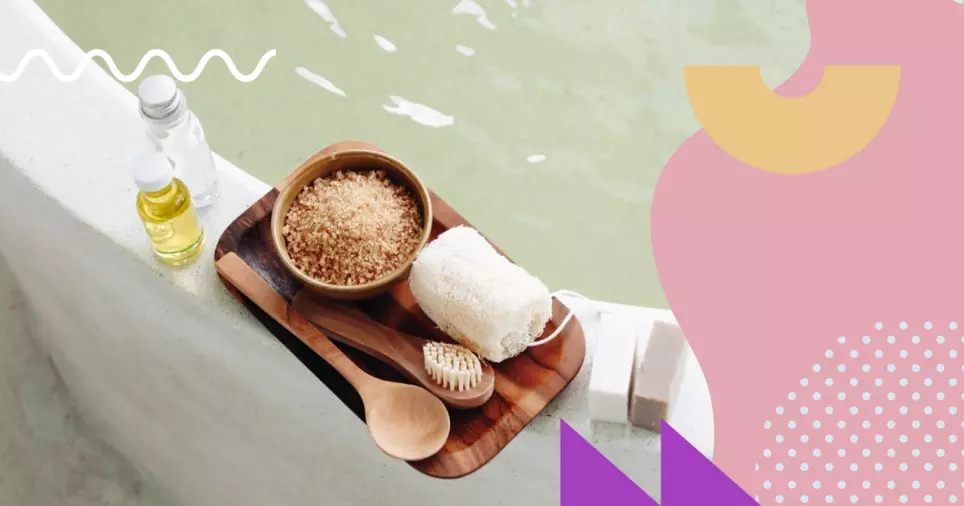
Home remedies may help control pain levels. Applying heat or cold to an aching area can help. You can also try self-massage with a foam roller or tennis ball to target painful muscles. Some people may benefit from other professional approaches, including acupuncture, to help relieve pain. Ask your doctor which alternative therapies are safe for you.

All updates must be accompanied by text or a picture.

Subscribe now to ask your question, get answers, and stay up to date on the latest articles.

Get updates directly to your inbox.

This site is protected by reCAPTCHA and the Google Privacy Policy and Terms of Service.
Privacy Policy Terms of Use

We'd love to hear from you! Please share your name and email to post and read comments.

You'll also get the latest articles directly to your inbox.

This site is protected by reCAPTCHA and the Google Privacy Policy and Terms of Service.
Privacy Policy Terms of Use

Thank you for subscribing!

Become a member to get even more