
Making sense of menopause, together.
- Connect with women who get it
- Get expert-reviewed resources
- Learn from real women's experiences
Powered By



 11 Reactions
·
1 Comment
Save
11 Reactions
·
1 Comment
Save
Are you noticing more joint pain and aching as you approach menopause? If so, you’re not alone.
Joint pain can develop during perimenopause and menopause, even if it was never a problem before. If your knees, hips, hands, or other joints suddenly feel stiff, sore, or achy, you’re not imagining it.
These symptoms are common and can sometimes affect sleep, movement, and daily life.
Women surveyed by ThisIsMenopause reported a wide range of troubling symptoms. “I have extremely bad joint pain, especially in my left hip, but both hips. My legs overall just ache,” said one.
“The symptoms are quite uncomfortable and impact my daily tasks. I’m experiencing pain in multiple joints and back pain,” said another.
Here’s what to know about why menopause can cause joint pain and what may help relieve it.
Joint pain during menopause is common and can be hard to manage. Some doctors think joint and muscle pain may be among the symptoms that have the biggest effect on daily life during menopause.
Researchers say that more than half of women in menopause have joint pain. One study found that up to 76 percent have musculoskeletal pain. This includes muscle soreness, general aching, and joint pain.
In another study, 21 percent of women described joint pain as their most bothersome menopause symptom.
 Joint pain in menopause can have the same symptoms as joint pain caused by other conditions. It shows up as discomfort where bones come together to help your body move, including your hands, wrists, neck, knees, ankles, and hips.
Pain can be minor, moderate, or severe, and it can affect a few joints or all of them.
One of the biggest challenges with joint pain during menopause or perimenopause is that it can look a lot like other conditions. It can be hard to pinpoint the cause of joint pain during menopause because other joint-related issues often arise around the same time of life.
The exact causes of joint pain in perimenopause and menopause need more study. But they’ve been found to include muscle and bone loss, as well as reduced estrogen levels.
In 2024, researchers proposed the term “musculoskeletal syndrome of menopause.” It describes the group of menopause symptoms that affect joints, bones, and muscles.
A sharp drop in estrogen levels can cause this group of symptoms. These include joint pain, body aches, muscle soreness, bone loss, a higher risk of fractures, a higher risk of tendon and ligament injuries, and worsening osteoarthritis.
Although these symptoms can be grouped together, it’s important to talk about each one individually because the treatment options are very different.
Like many symptoms of menopause, joint pain is linked to changes in hormone levels. Estrogen helps keep your joints healthy and has anti- inflammatory effects. Estrogen receptors are found throughout your body, including in your joints and muscles.
In addition to protecting your joints from inflammation, estrogen is also thought to improve your body’s ability to process and manage pain. According to this theory, reduced estrogen can make your pain worse.
When estrogen levels drop, that change can increase pain in the hands, shoulders, knees, and other joints. Any pain you had before menopause or perimenopause could become worse as your estrogen levels go down.
Osteoarthritis, which is caused by wear and tear on the joints, and rheumatoid arthritis both become more common around menopause and can cause joint pain. Rheumatoid arthritis is an autoimmune disease. In an autoimmune disease, the immune system mistakenly attacks healthy tissue.
Arthritis may not be the cause of your joint pain. Around the time of menopause, long-term conditions like arthritis also become more common. This can make it harder to tell what’s really causing your joint pain.
Sometimes, these conditions are blamed for joint pain during menopause when the real cause may be something else. In some cases, that cause may be treatable or even reversible.
If you’ve been told your joint pain is just a natural part of menopause, don’t be afraid to ask questions. There may be treatments that will work for you.
Studies have shown that lower estrogen levels change the way your body builds and supports cartilage, muscle, and bone. During menopause, bones can become weaker, cartilage can take longer to rebuild, and muscle mass can also decrease. All of these factors could make joint pain worse.
A certain type of hormonal breast cancer treatment called aromatase inhibitors can cause joint pain. About half of all postmenopausal breast cancer survivors have joint pain related to this group of drugs.
 Aromatase inhibitors are commonly prescribed for estrogen receptor-positive breast cancer and are usually taken as a daily pill.
These drugs slow or stop the growth of some breast cancers by lowering estrogen levels. Because they reduce estrogen, they can lead to joint pain in several of the ways described above.
Joint pain with aromatase inhibitors usually involves symmetrical pain (the same on both sides of your body) in the wrists, hands, and knees. It can also involve carpal tunnel syndrome, trigger finger, morning stiffness, and decreased grip strength.
The pain usually starts a few weeks or months after the treatment begins.
Unfortunately, up to 20 percent of people stop taking aromatase inhibitors because of this side effect, even though the drug is lifesaving. This is a big issue, because most people need to take aromatase inhibitors for five years to keep cancer from coming back.
Talk to your doctor about your joint pain. Together, you can develop a treatment plan to help. This may include one therapy or a combination of options.
Hormone replacement therapy (HRT) is a treatment that aims to help with menopause symptoms. It is mostly used for relief of menopause-related hot flashes, but studies show that it’s an effective treatment for menopausal joint pain.
In addition to helping with joint pain, it prevents bone loss in postmenopausal women without osteoporosis and reduces the risk of broken bones in postmenopausal women without osteoporosis.
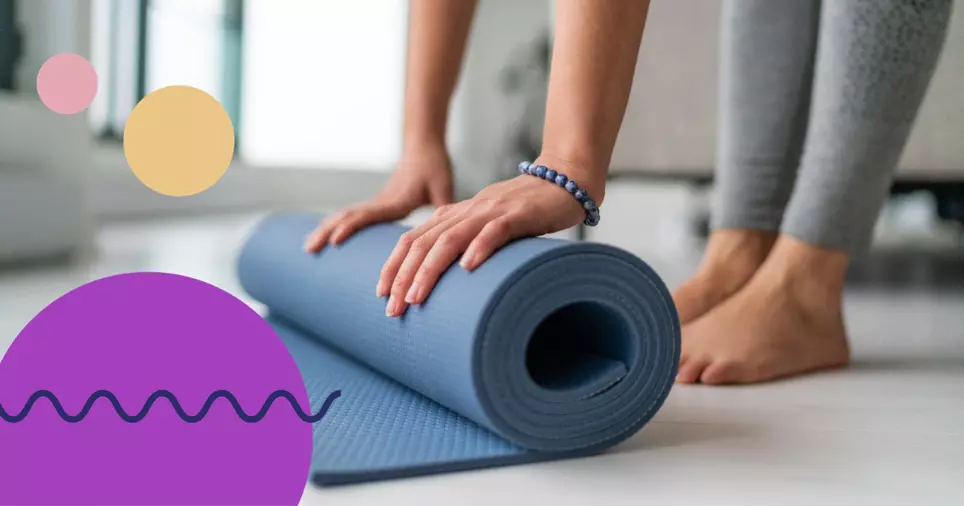
Some studies suggest that exercise, and possibly some dietary changes, may help manage menopause-related joint pain. Resistance training may help preserve muscle mass, and weight training may help slow bone loss. Exercise releases anti-inflammatory chemicals in your body, which can help with joint pain.
Making healthy food choices that help regulate estrogen may help with joint pain by lowering inflammation and helping protect your muscles, bones, and joints.
Some vitamins and supplements may help with menopause joint pain. Getting enough vitamin D and calcium is important in slowing bone loss and preventing bone fractures. If you’re low in vitamin D, supplements might also ease joint pain.
Some studies suggest that soy isoflavones, found in soy, legumes, and kudzu root, can help with bone health.
Many other supplements are marketed to help with menopause symptoms, but there isn’t much evidence that they ease joint pain specifically. Glucosamine and chondroitin have been studied for joint pain, but the evidence is mixed.
If you want to try supplements, talk to your doctor to make sure they’re safe for you.
Nonsteroidal anti-inflammatory drugs (NSAIDs), which are often used for joint pain, are sometimes recommended to treat menopause-related joint pain.
If you have a history of kidney or liver disease or stomach ulcers, NSAIDs may not be a safe choice. Your doctor may recommend other ways to manage pain, such as topical treatments or acetaminophen. In some cases, supportive devices like braces may also help.
You should not stop taking aromatase inhibitors because of joint pain. Treatments that may help relieve joint pain caused by these drugs include:
 Continue with Facebook
 Continue with Email
Continue with Facebook
Continue with Email
Continue with Email
Continue with Facebook
Continue with Email
Become a member to get even more










Join the conversation
This is a member-feature!
Sign up for free to view article comments.
My fingers have started to ache, so knowing that this is part of perimenopause/menopause helps.
We'd love to hear from you! Please share your name and email to post and read comments.
You'll also get the latest articles directly to your inbox.