
Making sense of menopause, together.
- Connect with women who get it
- Get expert-reviewed resources
- Learn from real women's experiences
Powered By

An unexpected rush of heat is one of the most common (and most frustrating) symptoms of menopause. If you have hot flashes, you’d probably try just about anything to avoid them.
But are you willing to give up coffee?
For some, caffeine makes hot flashes worse. However, it’s not a trigger for everyone.

Sign up to view the results!
 Continue with Facebook
 Continue with Email
Other lifestyle changes and treatments can help you get hot flashes under control. Here’s what you should know before you switch to decaf.
There’s not a great deal of research on caffeine and hot flashes. Here’s what researchers have uncovered so far.
One study described a possible connection between hot flashes and drinking coffee, soft drinks, and tea.
Tea was the only source of caffeine that showed a significant effect on hot flashes. The researchers said that 75 percent of women with hot flashes were tea drinkers. In comparison, 65 percent of those who didn’t have hot flashes drank tea.
It’s possible that other compounds in tea besides caffeine could be to blame. It’s also not clear if tea caused hot flashes in this group of study participants. The association between tea and hot flashes seen here could be a coincidence.
Another large but older study says the research on caffeine and menopausal symptoms is mixed. The authors discussed how caffeine could impact hormone levels during menopause. But ultimately, they weren’t able to draw clear conclusions on whether cutting out caffeine helps with hot flashes.
The best way to understand your body is to pay closer attention to what you do and how you feel. Some people find it helpful to keep a symptom diary.
Keep track of when your hot flashes, night sweats, or other menopause symptoms strike. Write down what you ate, drank, whether you exercised, and other details you think could be relevant. Then, review this information with your healthcare provider.
If you suspect that caffeine is affecting your hot flashes or having other negative effects, such as poor sleep, you can cut back and see if it makes a difference.
Slowly reducing your caffeine intake can help you avoid symptoms of withdrawal, which can include:
Caffeine isn’t just found in coffee and tea. Some medications and other foods and beverages also have caffeine. For instance, there’s caffeine in chocolate, yerba mate, certain sodas, energy drinks, and common medications for pain or colds.
Start the process by figuring out your main sources of caffeine. If you can switch to low-caffeine versions or cut down your portion sizes, you can slowly reduce your intake.
Build your new habits over a week or two as you transition to having no caffeine. Then, continue to avoid caffeine for a few weeks and make note of your hot flashes.
Fortunately, help is available for hot flashes. If cutting out caffeine doesn’t help, you may want to see if not drinking alcohol and avoiding spicy foods makes a difference.
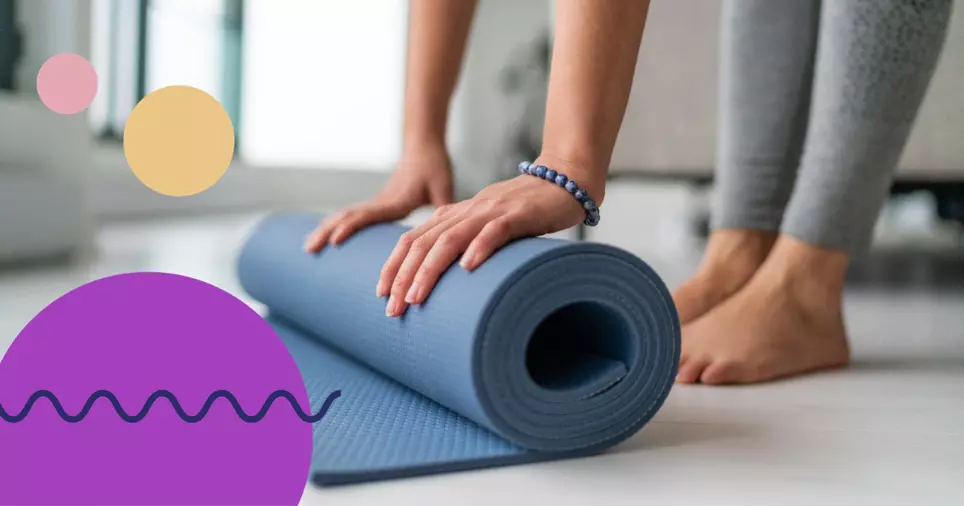
Other lifestyle changes that may help include:
Hot flashes are more common for those who smoke or used to smoke. While you can’t change your past, it’s never too late to gain the benefits of quitting smoking.
Your healthcare provider can also talk to you about medication. You may consider hormone replacement therapy (HRT) or nonhormonal medications.
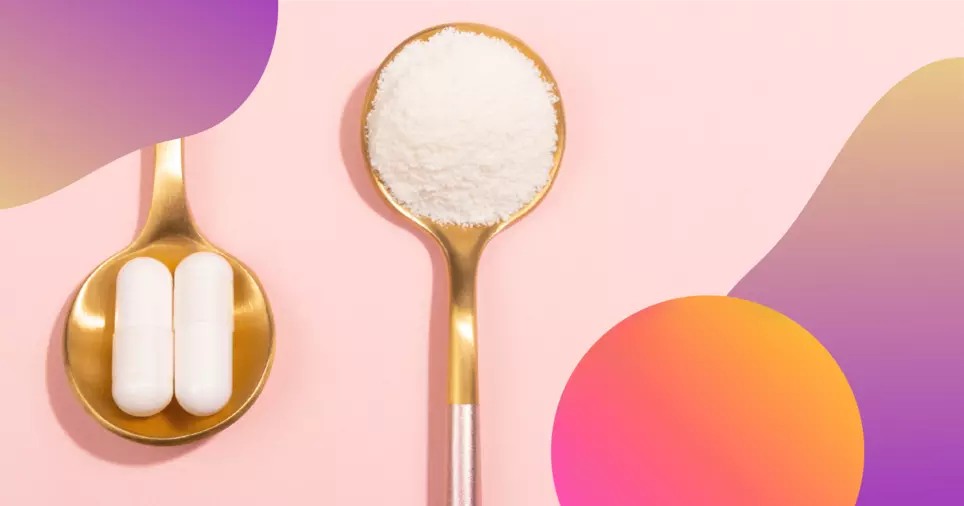
If you head to the supplement aisle, you may notice a section of pills, powders, and teas that claim to cure hot flashes. But don’t fall for the hype.
So far, there’s no strong evidence that herbs are effective for hot flashes. In addition, these products could interfere with your other medications or cause unwanted side effects.
Be sure to tell your healthcare provider if you’re considering any supplements or natural remedies.
Continue with Facebook
Continue with Email
Continue with Facebook
Continue with Email
Become a member to get even more









Join the conversation
This is a member-feature!
Sign up for free to view article comments.
We'd love to hear from you! Please share your name and email to post and read comments.
You'll also get the latest articles directly to your inbox.