
Making sense of menopause, together.
- Connect with women who get it
- Get expert-reviewed resources
- Learn from real women's experiences
Powered By

Body aches and pains are common around perimenopause, but back pain can feel particularly disruptive. It can affect almost any activity, like driving to work or lifting groceries to your kitchen counter.
“My lower back pain is severe. I’m so over it!” said a ThisIsMenopause member.
If you can relate, keep reading to learn what role perimenopause could play in causing back pain and what you can do to manage it. You’ll also learn when you should see a doctor or physical therapist to explore other causes of your back pain.
Sign up to view the results!
 Continue with Facebook
 Continue with Email
Back pain during perimenopause could be a symptom of a condition called musculoskeletal syndrome of menopause. This condition is linked to the drop in estrogen — a hormone that supports bones, muscles, joints, and other body areas — which happens naturally during the menopause transition.

Low estrogen levels can impact the entire body, including the bones, muscles, ligaments, discs and vertebrae in your lower back. Pinpointing the problem can be challenging because imaging tests don’t always show a specific problem, but this doesn’t mean your pain isn’t real.
Below are a few ways hormonal changes affect the body and contribute to back pain.
 Increased Inflammation
Estrogen helps manage inflammation levels. When these hormone levels drop, inflammation can increase, which is linked to joint pain.
Your spine is made of stacked bones called vertebrae, and each is connected by two small joints. These joints can be affected by hormone-related inflammation, which may cause back pain.
Muscle and Bone LossLow estrogen levels are associated with age-related musculoskeletal issues, including muscle loss and thinning bones.
Lower back pain is very common among women with osteoporosis, a condition where bones have become fragile and can easily break. Muscle weakness can worsen back pain and affect quality of life.
Joint Cushion DamageEstrogen may protect cartilage and other shock-absorbing tissues, such as the gel-like discs that cushion each vertebra.
Wear and tear on these discs can lead to conditions such as degenerative disc disease, which can cause pain or reduce flexibility. Some people show little to no symptoms, while others may have severe radiating nerve pain traveling down the legs.
The symptoms of menopause-related back pain can vary. It can be dull or intense, constant or occasional. It can also cause:
Some back pain-related symptoms can signal a more serious health problem. Talk to your doctor as soon as possible if you have a history of cancer or a recent infection, or if you notice:
Your back pain doesn’t have to take over your life. Below are a few steps you can take to help your body recover.
Remember that everyone’s pain is different, so what works for you may not work for someone else. Always consult your doctor for tailored advice specific to your needs.
Ask your doctor if physical therapy is right for you. A physical therapist can evaluate your symptoms and prescribe exercises or stretches to help improve your pain.
During a physical therapy appointment, your therapist may ask you questions about your pain, like where you feel symptoms and what makes it better or worse. Then, your physical therapist will develop a treatment plan.
They’ll send you home with activities to perform regularly and symptom patterns to watch for between sessions. These activities are designed to help you better tolerate day-to-day activities and teach you how to manage symptoms on your own.
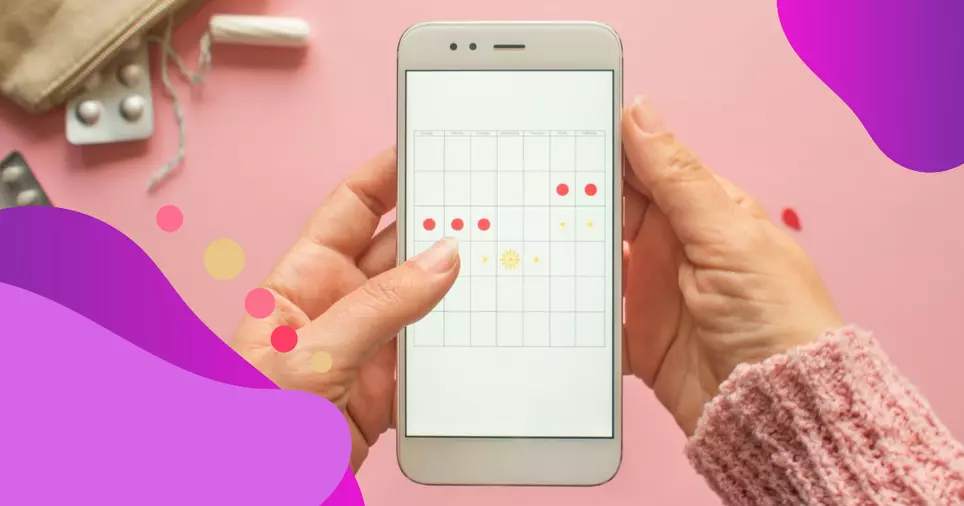
If you’re not sure how to describe your pain, try keeping a symptom tracker for about a week before your first appointment to give them the best information possible. Your physical therapist will check in on symptoms every session, so keeping the tracker during your rehabilitation is helpful.
Regular exercise can help your spine stay strong and flexible through menopause, making it less likely that you’ll have back pain. Exercise guidelines recommend:
Research suggests that postmenopausal women benefit most from weight-bearing endurance workouts and resistance exercises.
In other words, prioritize exercises that challenge your muscles and make your body work against gravity. These exercises help build bone and prevent spinal fractures better than nonweight-bearing activities, like swimming and biking.
You can start prioritizing these exercises now to manage discomfort and prevent future spine-related issues.
But what about exercise if you already have back pain? Talk with a physical therapist or a personal trainer about a safe exercise plan for you. Exercise therapy for low back pain has been shown to reduce pain and get people back to their usual activities faster.
Many ThisIsMenopause members report problems sleeping. “I can’t stay asleep. Sometimes I wake up too early and stay awake,” wrote one member. Others say they have trouble falling asleep. Poor sleep and tossing and turning in bed can make fatigue and low back pain worse.
Research shows that people who don’t sleep well are at greater risk for having back pain and for it taking longer for that back pain to go away.
Poor sleep and constant back pain are a cycle: when you can’t sleep well, your pain tolerance decreases, which affects how well you can sleep. You can break this cycle by improving your sleep hygiene, which means making small changes during the day to help you slumber at night.
Consider applying one or two of these changes first to see if they help:
If you’re struggling with getting good rest, talk to your healthcare provider about additional ways to improve your sleep.
Perimenopause is a new and sometimes overwhelming phase of life. “I’m stressed because I don’t feel good, I’m in pain, and I can’t seem to understand my body,” wrote one ThisIsMenopause member. Other life factors, like moving or caregiving, can add more emotional (and physical) load.
Stress can cause the same cycle as sleep problems. Not only is managing back pain stressful, but the stress can also make you more sensitive to pain.
Ask your doctor for mental health resources, including a referral to a psychologist. They can teach you ways to cope with stress and anxiety, which may help lower pain levels. Also try mind-body strategies, like meditation or yoga, to help you feel calmer.
If you’re not getting relief from lifestyle adjustments, it may be time to talk to your doctor about pain medications. Your doctor may suggest over-the-counter medications, including nonsteroidal anti-inflammatory drugs (NSAIDs) like ibuprofen. Be sure to ask how much medication to take and for how long.
Growing research is exploring if hormone replacement therapy (HRT) can help manage pain during menopause. The theory is that replacing estrogen can help improve inflammation and curb muscle and bone loss, which could decrease musculoskeletal pain. There is controversy over whether menopause hormone therapy may prevent or treat osteoarthritis, a frequent cause of menopausal back pain.
Health experts aren’t sure how well hormone therapy works for pain management, but it’s worth discussing with your doctor.
If you’re experiencing new or worsening back pain during perimenopause, don’t wait to talk to a doctor. They can rule out serious causes of back pain. They can also help you start addressing symptoms, so you can take back control over your body.
Continue with Facebook
Continue with Email
Continue with Facebook
Continue with Email
Become a member to get even more









Join the conversation
This is a member-feature!
Sign up for free to view article comments.
We'd love to hear from you! Please share your name and email to post and read comments.
You'll also get the latest articles directly to your inbox.