
Making sense of menopause, together.
- Connect with women who get it
- Get expert-reviewed resources
- Learn from real women's experiences
Powered By

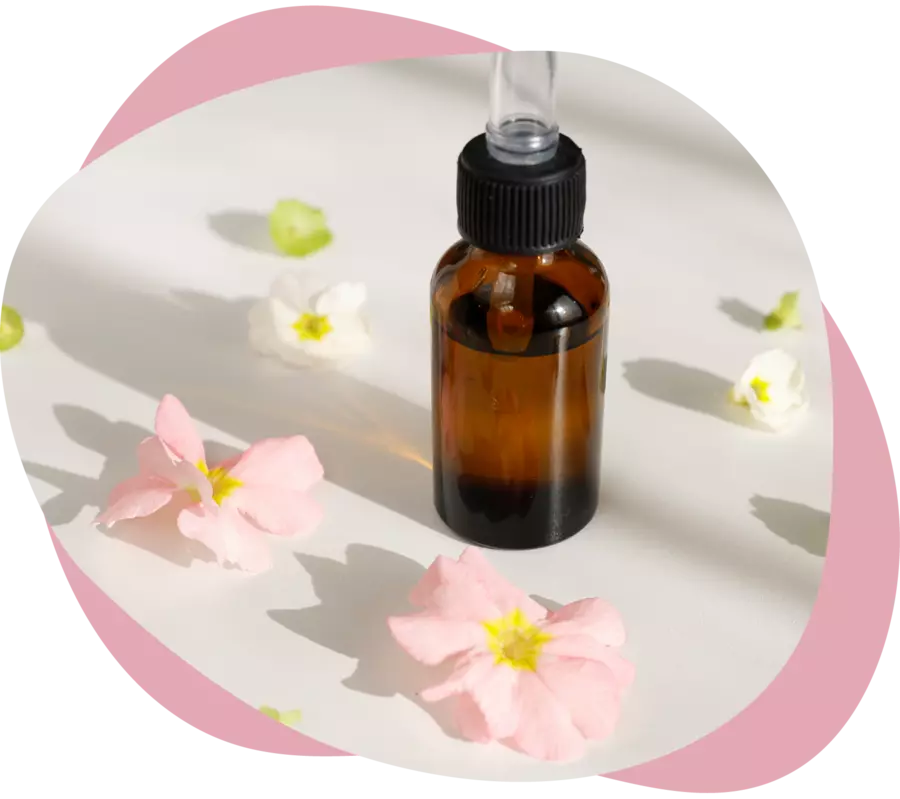
“I wish I had known about natural things to help ease the symptoms,” one woman told ThisIsMenopause. A popular natural remedy is evening primrose oil, which is said to help ease hot flashes and night sweats.
But does it actually work? Here’s what to know about evening primrose oil, what the research says, and possible drawbacks.
Evening primrose is a plant that grows in both North and South America. The plant’s seeds produce oil that contains phytoestrogens, which are plant compounds that act a little like estrogen in the body.
Some women take it as a supplement to ease symptoms of menopause or support overall wellness.
Evening primrose oil has been used as a natural remedy for centuries. Native Americans used it to ease pain and treat asthma. Today, it’s sometimes marketed to help with vasomotor symptoms of menopause, such as hot flashes and night sweats.
Evening primrose oil is also used to treat other conditions, including breast pain, premenstrual syndrome, eczema, and diabetic neuropathy. The active ingredients are omega-6 fatty acids.
One such omega-6 acid is called gamma-linolenic acid (GLA). GLA is believed to have anti-inflammatory effects. It may also help boost your immune system.
There’s limited and conflicting evidence on how effective evening primrose oil is in relieving menopausal symptoms. The Menopause Society does not recommend the use of herbal remedies because there isn’t enough strong evidence that they work.
Because its compounds are similar to estrogen, some people believe it can help make up for hormonal changes that happen in perimenopause and menopause.
One study looked at whether evening primrose oil could help with vasomotor symptoms of menopause, such as hot flashes and night sweats. One group of participants took 1,000 milligrams of evening primrose oil in capsule form twice daily for two months.
 Another group got a placebo instead of evening primrose oil. A placebo is an inactive treatment that helps researchers compare results.
The study found that evening primrose oil didn’t help relieve hot flashes. But those who took the oil had fewer night sweats than those in the placebo group. While 60 percent of participants had frequent night sweats before taking the oil, just 1.3 percent had them afterward.
Other studies have found mixed results. In one study, evening primrose oil was no more effective than a placebo in treating the symptoms of menopause or premenstrual syndrome (PMS).
The study authors suggested that healthcare providers should talk with women about the possible benefits and risks before suggesting evening primrose oil.
Evening primrose oil is generally safe, but it may not be right for everyone. In some people, it can cause side effects such as:
Evening primrose oil isn’t recommended for people with epilepsy, schizophrenia, or bleeding conditions. You should also avoid it if you’re pregnant.
Many women surveyed by ThisIsMenopause have been frustrated by hot flashes, and some have found success with supplements.
“[Menopause is] a pain in the butt, especially when you have hot flashes out of the blue. It feels like you’re on fire on the inside,” one said.
Another noted, “There are supplements to help with symptoms. Research and find them — they can be a game changer.”
Keep in mind, however, that herbal supplements, including evening primrose oil, aren’t regulated by the U.S. Food and Drug Administration (FDA). They’re often called “natural supplements,” but that doesn’t always mean that they’re effective or safe.
Researchers don’t always have the strongest evidence about how well herbal supplements work or how safe they are in the long term. More clinical trials are needed to know whether evening primrose oil helps with menopause symptoms or other issues.
Talk to a women’s health expert if you’re thinking of taking evening primrose oil. Your healthcare provider can help you decide whether it’s a good option and check whether it could interact with your medications.
If the effects of evening primrose oil don’t ease your hot flashes and night sweats, your provider may suggest something else. For instance, lifestyle changes or hormone replacement therapy (HRT, also called menopause hormone therapy) may help.
 Continue with Facebook
 Continue with Email
Continue with Facebook
Continue with Email
Continue with Email
Continue with Facebook
Continue with Email
Become a member to get even more












Join the conversation
This is a member-feature!
Sign up for free to view article comments.
We'd love to hear from you! Please share your name and email to post and read comments.
You'll also get the latest articles directly to your inbox.