
Making sense of menopause, together.
- Connect with women who get it
- Get expert-reviewed resources
- Learn from real women's experiences
Powered By

Many women are turning to over-the-counter herbal remedies for perimenopause symptom relief. One woman told ThisIsMenopause, “I wish I had started taking supplements like chasteberry and dong quai sooner. They really make a difference in my day-to-day life.”
Black cohosh, chasteberry, dong quai, and evening primrose are just some of the herbal supplements promoted as natural alternatives to hormone replacement therapy (HRT).
But do these natural options actually work, and what does the science really say about the benefits and risks of herbal remedies? In this article, we will go over the most common herbal supplements promoted for menopause symptom relief and the evidence behind them.
 Black Cohosh
Black cohosh is an herb that comes from a plant. It’s commonly used to relieve menopausal symptoms, such as hot flashes, mood changes, and sleep. Menopause causes estrogen levels to drop, which can decrease serotonin in the body.
Researchers are still studying how black cohosh may affect the body. Some research suggests it may affect serotonin, a brain chemical involved in mood, sleep, and body temperature, which may help with hot flashes.
When estrogen levels drop because of menopause, this speeds up bone loss and puts you at risk of osteoporosis. Some early research has looked at whether black cohosh may affect bone health. Research suggests that black cohosh may slow down bone loss by regulating osteoclast growth — the cells responsible for breaking down bone.
Some studies of specific black cohosh extracts suggest they may help relieve menopausal symptoms. A recent study found that black cohosh significantly reduced symptoms, such as sleep disturbances, mood changes, and hot flashes, with a low side effect profile compared with placebo. However, results are mixed, and not all black cohosh products are the same.
Black cohosh can cause:
There’s still ongoing research on whether black cohosh directly causes liver injury. Even though some studies have shown a low risk of liver toxicity, it’s best to talk to your healthcare provider first to determine if black cohosh is right for you.
 Chasteberry
Chasteberry comes from a tree or small shrub that yields fruit. It’s mostly studied for the relief of premenstrual symptoms.
Chasteberry is linked to binding to dopamine receptors and decreasing the amount of prolactin in the body. The main role of prolactin is to support breastfeeding and breast tissue development.
Chasteberry has been shown to help with premenstrual symptoms, which could overlap with perimenopausal symptoms.
One study showed that chasteberry significantly improved mood, irritability, anger, headache and breast tenderness and fullness in women across three menstrual cycles compared with placebo.
Chasteberry can cause:
The main symptoms of perimenopause are due to the decrease in estrogen levels in the body. While chasteberry may provide some relief in mood and breast tenderness caused by perimenopause, it doesn’t directly help with low estrogen levels — the main cause of menopausal symptoms.
 Dong Quai
Dong quai is a Chinese herbal medicine, also called female ginseng. It has been marketed to be used for menstrual and menopausal symptoms.
The evidence of dong quai’s effectiveness is limited. There’s only one study that evaluates dong quai’s effect on estrogen levels. Researchers concluded that there was no difference in the relief of menopausal symptoms compared with placebo.
Dong quai can cause:
Studies haven’t shown that dong quai works better than placebo for menopause symptoms. And research hasn’t proved it’s a reliable treatment.
Evening PrimroseEvening primrose is a plant with phytoestrogens that closely resemble estrogen-like compounds in the human body. Evening primrose oil is commonly marketed to relieve vasomotor symptoms of menopause, such as hot flashes and night sweats.
There’s limited and conflicting evidence on the effectiveness of evening primrose in the relief of menopausal symptoms.
One study found that evening primrose did not help relieve the symptoms of hot flashes, but it did significantly improve night sweats. Other studies have also found mixed results where evening primrose was not shown to be any more effective than placebo.
Evening primrose can cause:
Evening primrose oil hasn’t been proven to help hot flashes or night sweats very well. Some people may do fine with it, but you should talk to your healthcare provider before using it.
FenugreekFenugreek is an herb from a plant traditionally used by herbalists for hormone-related symptoms. Because it contains phytoestrogens, it’s commonly marketed to help with vasomotor symptoms and mood and sleep disturbances from menopause.
One small study found a significant reduction in hot flashes, night sweats, depression, and insomnia. Researchers also found small changes in hormones — such as estradiol, testosterone, and progesterone — suggesting a possible hormone balance effect.
Fenugreek can cause:
Peanuts and chickpeas are closely related to fenugreek. If you are allergic to peanuts or chickpeas, your body may react to fenugreek in the same way.
HopsHops is a plant that is filled with potent phytoestrogens. It’s used to help with vasomotor symptoms and sleep.
A small study showed that the hops supplement significantly reduced menopausal symptoms, including hot flashes, depression, and anxiety. But another small study showed that hops was no more effective than placebo.
Similarly, an additional small study showed the hops supplement reduced menopausal symptoms at six weeks compared with placebo, but the effects were the same between both groups at 12 weeks.
Hops can cause:
The evidence supporting hops supplements for relief of menopausal symptoms is mixed. This fits the broader research on phytoestrogens, which shows mixed benefits for menopause symptoms.
Red CloverRed clover is a flowering plant that is known to contain isoflavones, which act like phytoestrogens. Isoflavones bind to estrogen receptors. Red clover is commonly marketed for the relief of hot flashes.
One study found a decrease in the number of hot flashes in a day when taking red clover. It was more effective in women having more than five hot flashes a day with doses higher than 80 milligrams per day.
Red clover can cause bleeding. It’s recommended to monitor carefully for signs of bleeding if you are taking red clover, especially if you are taking anticoagulation medications (blood thinners) as well. It should not be taken if you have a blood-clotting disorder.
Generally, red clover is well tolerated, with some studies reporting no side effects at all. If you are considering taking red clover, talk to your healthcare provider to make sure it’s safe for you.
Herbal supplements are not monitored or approved 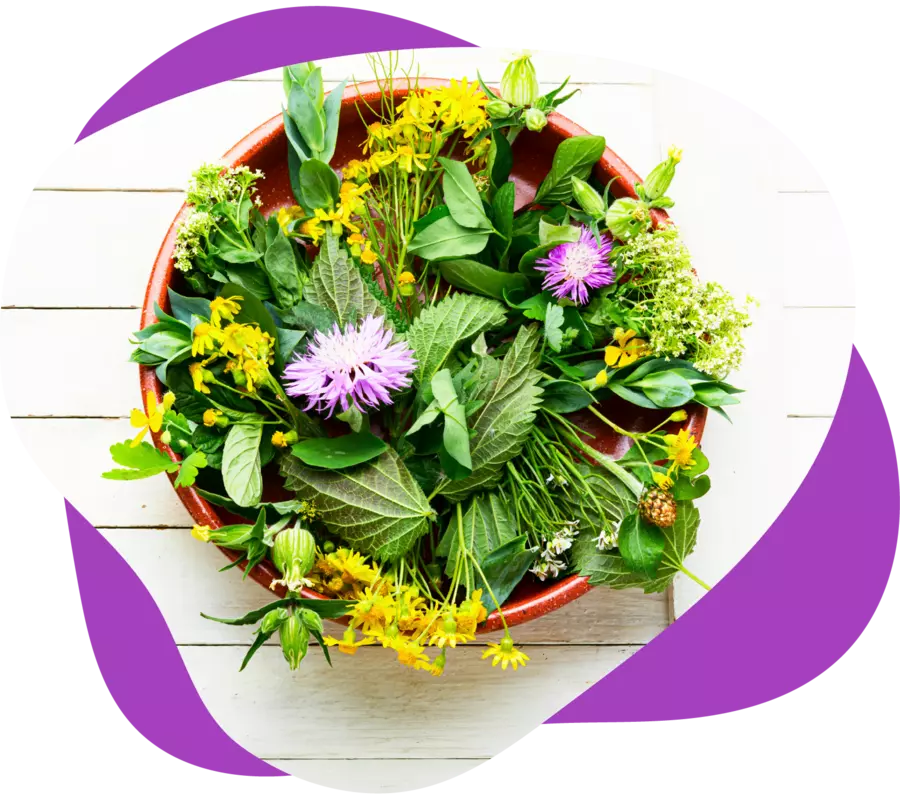 by the U.S. Food and Drug Administration (FDA). They are often called natural supplements, but that doesn’t always mean that they’re effective or safe.
We often don’t always have the strongest evidence about how well herbal supplements work or how safe they are long term.
Before trying herbal supplements, always check the label to make sure it says “USP” (United States Pharmacopeia) or “NSF” (NSF International). These labels can mean the product was tested for quality by an outside organization.
Avoid blended products as they may not contain the actual ingredient that you are looking for. Watch for side effects, and call your doctor if you have any unusual symptoms.
It’s very important to talk to your doctor first before taking any herbal supplement with phytoestrogen properties if you’re on hormone therapy, contraceptives, or have a history of hormone-dependent cancers.
 Continue with Facebook
 Continue with Email
Continue with Facebook
Continue with Email
Continue with Email
Continue with Facebook
Continue with Email
Become a member to get even more









Join the conversation
This is a member-feature!
Sign up for free to view article comments.
We'd love to hear from you! Please share your name and email to post and read comments.
You'll also get the latest articles directly to your inbox.