
Making sense of menopause, together.
- Connect with women who get it
- Get expert-reviewed resources
- Learn from real women's experiences
Powered By

Painful sex can be an unexpected symptom of menopause. It can also have a big effect on your quality of life.
Vaginal symptoms can begin during perimenopause, the transition to menopause. But painful sex after menopause is more common when your periods have permanently stopped. Up to 40 percent of postmenopausal women say they’ve had painful intercourse.
“[I wish I had known about the] dryness and how to have a better sex life,” a woman surveyed by ThisIsMenopause wrote.
“It’s extremely difficult sexually,” another woman said.
To learn more about painful sex during menopause, ThisIsMenopause spoke with Cindi Rauert Lanners, a board-certified clinical specialist in women’s health and pelvic health in Colorado and doctor of physical therapy. Lanners often treats women with genitourinary syndrome of menopause (GSM), which affects urinary and vaginal health. As a physical therapist, she works with pelvic floor muscles. Tender muscles, decreased tissue mobility, and vaginal dryness can all contribute to painful sex.
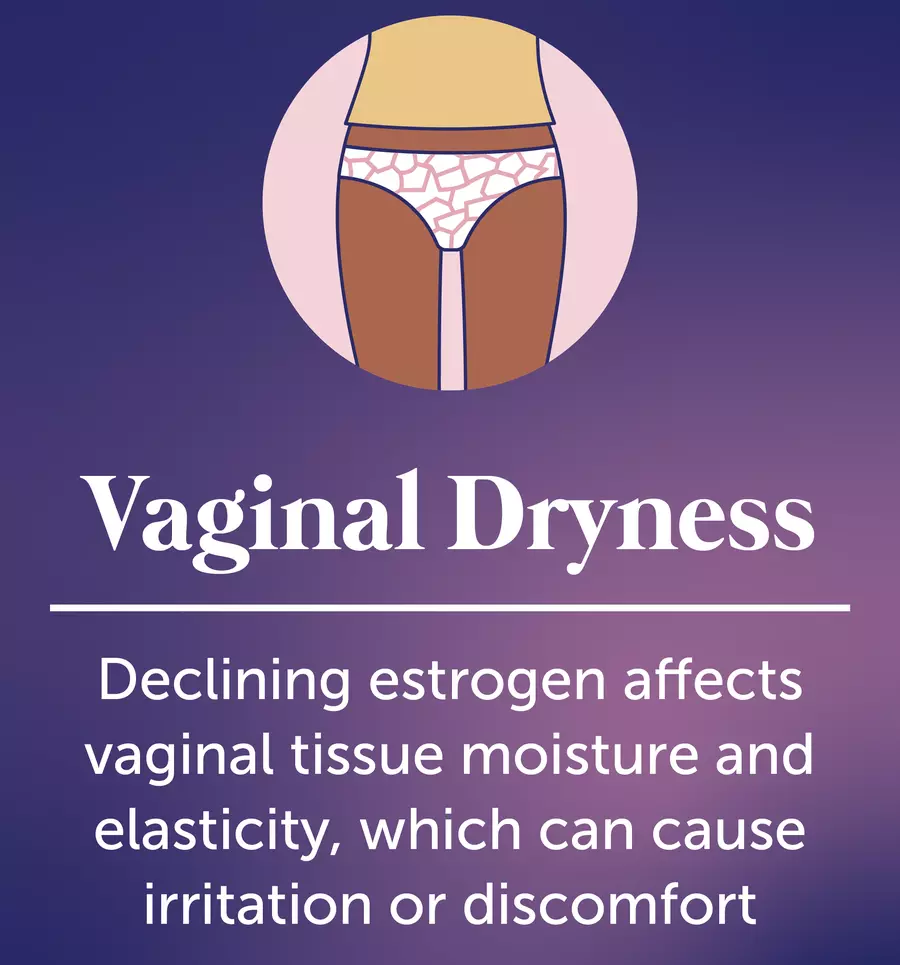
After menopause, hormonal changes cause estrogen levels to decrease. Low estrogen can affect the body in many ways. Common symptoms include hot flashes and night sweats, mood swings, and vaginal dryness. Vaginal dryness can cause painful sex, also known as dyspareunia.
“I wish I knew that I would dry out in my vaginal area so much,” a woman shared with ThisIsMenopause.
“Estrogen really plumps up the pelvic floor muscles and plumps up all of the tissue,” Lanners explained. “When we start to lose it, we see some changes in that external vulvar tissue. It can become more sensitive and more painful. The internal mucosal lining of the vaginal tissue can also become dry and irritated. And that can impact comfort with sexual activity.”
Muscles that help with sexual function can also be affected. “Those pelvic floor muscles can start to atrophy and get smaller without the support of the hormones,” she said.
Painful sex can lead to a low sex drive, which may cause you to avoid intimacy with your partner.
“My relationship was not good. I had no sex drive, and when I did, it hurt too badly to be penetrated,” a survey respondent shared.
Fortunately, there are steps you can take to relieve painful sex during menopause. “It can help a person know, ‘Oh, this is treatable. I have all these quirks right now that are really a challenge, but I can learn some self-care strategies,’” Lanners said.
If you’re experiencing painful sex with menopause, here are some strategies you can use to help make sex more comfortable and more enjoyable.
About 70 percent of menopausal women who have uncomfortable vaginal symptoms don’t report them to their healthcare providers. Although talking about sex can be difficult, speaking up helps ensure you can get the help you deserve.
Several hormonal and nonhormonal treatment options are available to help ease painful sex. These include:
Low-dose vaginal estrogen therapy is a type of hormone therapy. It’s considered the most effective treatment for vaginal dryness and other symptoms of GSM that may contribute to painful sex.
Vaginal estrogen is applied directly to the vulva and vagina as a cream, ring, or tablet. It has been shown to thicken the skin of the vulva and vagina, restore the vagina’s natural pH levels, and lower the risk of urinary tract infections.
“Topical estrogen cream is what is most helpful when I’m treating the muscles and when we’re really trying to target the urinary symptoms or the loss of muscle mass and bulk up those pelvic floor tissues. It’s just a really wonderful support,” said Lanners. She encourages her patients to speak with their physician to see if vaginal estrogen is appropriate for them.
For some people, over-the-counter products may also help relieve symptoms.
For less severe cases of painful sex, over-the-counter vaginal lubricants and moisturizers may ease symptoms and make sexual intimacy more comfortable. “There are also different lubricants or different things on the market that can help that tissue not be as dry,” said Lanners.
 Lubricants are applied inside the vagina and at the vagina’s opening, before sex. There are several types of lubricants:
Vaginal moisturizers are used regularly, not just before sex, to help keep the skin hydrated. Moisturizers can provide longer-lasting relief than lubricants for vaginal dryness.
Painful sex is not always caused by dryness alone. Tight pelvic floor muscles can also play a role.
Pelvic muscles can tighten in menopausal women and may be a factor in painful sex. “You might have painful external skin and tissue, but then you might also, because that skin is painful, have guarded muscles inside the vaginal canal,” Lanners said, referring to muscles that tighten because you may anticipate pain from sex. Working with a physical therapist who specializes in pelvic floor muscles can help.
“In physical therapy, we can work on the muscular component of stretching that tissue, either with manual therapy, or we teach you also to use a pelvic wand, which is this funny S-shaped medical device that can help you mobilize the muscles,” she explained.
Lanners also trains women on how to use vaginal dilators, which are devices that are inserted into the vagina. “They are a device that helps the whole pelvic canal stretch,” she explained. A pelvic floor therapist can recommend the best medical device for you after an internal muscle assessment. Your symptoms and tissue changes can help show which medical device may work best for you.
Painful sex can cause emotional stress, which may make muscles tighten. In addition, psychological problems such as depression, anxiety, low self-esteem, or relationship issues can cause sexual pain and discomfort.
“The pelvic floor is a common area where many people hold muscular tension. Some of us hold onto tension more than others. So if you’re a person who clenches their jaw, neck, shoulders, or abdominal muscles, you also likely grip in the pelvic floor,” Lanners noted.
There are breathing exercises called diaphragmatic breathing. These exercises can help relax pelvic floor muscles and help with stress in general. “Even if you can’t access pelvic floor physical therapy, one thing you can do is learn a breathing technique where you can learn to lengthen your pelvic floor,” Lanners said. “If we can get those muscles to be less guarded, it can help you with sexual activity. When you learn techniques to lengthen the muscles, they’re more mobile and sex can be less painful for you.”
Talk to your healthcare team if you need help managing stress. Your doctor can give you a referral for mental health counseling or psychotherapy.
Along with treatment and stress management, regular sexual activity may also help support vaginal health.
Sexual arousal is important for sexual health because it helps the vagina make natural lubrication, which keeps the tissue healthy. Regular sexual activity, with or without a partner, may help support vaginal health. Importantly, sexual activity can focus on foreplay and avoid penetration if that’s painful.
Lanners emphasized that sexual desire and arousal are complicated and may involve several factors. “It’s hormonal support, blood flow to the area, but also stress, time management, and connection with your partner, too,” she said.
 Continue with Facebook
 Continue with Email
Continue with Facebook
Continue with Email
Continue with Email
Continue with Facebook
Continue with Email
Become a member to get even more











Join the conversation
This is a member-feature!
Sign up for free to view article comments.
We'd love to hear from you! Please share your name and email to post and read comments.
You'll also get the latest articles directly to your inbox.