
Making sense of menopause, together.
- Connect with women who get it
- Get expert-reviewed resources
- Learn from real women's experiences
Powered By


 Written and medically reviewed by
Lisa Booth, RDN
Menopause brings a variety of changes to your body, including possible weight gain. These changes can sometimes feel uncomfortable and may lead you to explore new lifestyle habits, such as changing your diet, to help manage your weight.
Some people turn to the ketogenic (keto) diet for its potential benefits, including short-term weight loss. However, the keto diet also comes with risks, and research has not shown that it directly improves common menopause symptoms, such as hot flashes.
We’ll explore how the keto diet works, what the research says about its potential benefits and drawbacks, and what other eating patterns may be better for you.
Sign up to view the results!
 Continue with Facebook
 Continue with Email
The ketogenic diet is an eating pattern very low in carbohydrates, moderate in protein, and high in fat. It encourages the body to use fat instead of carbohydrates as its main source of energy. When the body begins using fat for fuel and compounds called ketones build up in the blood, that state is called ketosis.
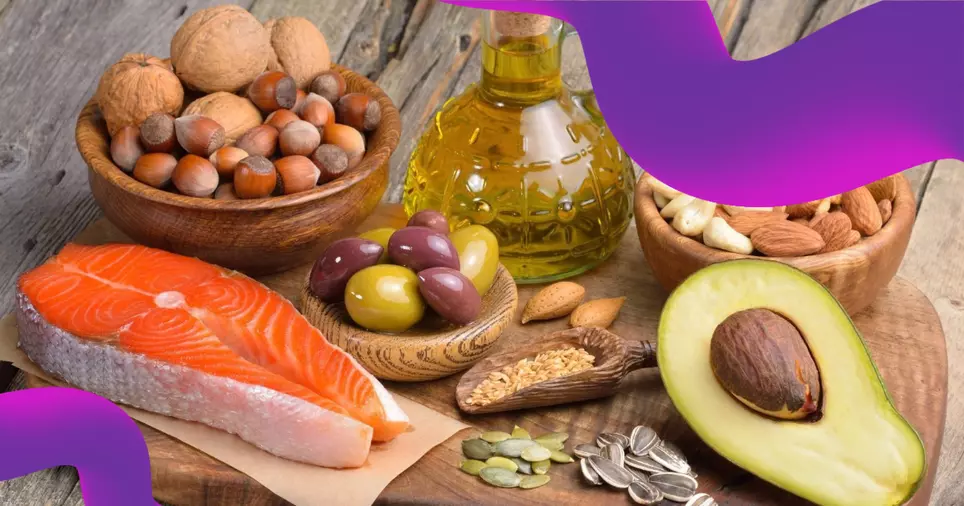
Following a keto diet typically means removing or limiting starchy foods, desserts and sweets, and some fruits. Foods often included in a keto diet are:
Unsweetened dairy and alternatives — Plain full-fat yogurt, full-fat cheese, unsweetened plant-based milk, and cottage cheese
The keto diet may help some people with short-term weight loss, blood sugar control, and appetite management. However, evidence for these benefits specifically during menopause is limited.
The keto diet may help some people lose weight and improve measures of metabolic health, such as blood sugar and blood pressure.
A 2023 review describes weight-loss research involving postmenopausal women with higher weights who reported reductions in body weight and visceral fat, or fat around internal organs. However, some studies involved severe calorie restriction and meal replacement programs, making it difficult to know whether ketosis itself contributed to the results.
Early weight loss on keto may be partly due to water loss instead of fat loss. More research is needed to determine whether strict keto offers long-term benefits in relation to menopause.
As estrogen declines during menopause, insulin sensitivity may decrease for some people, which may make blood sugar regulation more challenging. Lower insulin sensitivity may also occur alongside increases in visceral fat, or fat around internal organs. Some people turn to the keto diet because limiting carbohydrates and switching to ketones as fuel may help improve blood sugar.
Some research suggests that ketones may influence hormones involved in appetite regulation. Ketosis has been associated with changes in ghrelin, a hormone that stimulates hunger, and in satiety peptides, which are signaling molecules involved in feelings of hunger and fullness.
However, findings on appetite-regulating hormones are mixed, and the mechanisms are not fully understood. Research specifically on the effects during perimenopause and menopause is limited.
Some research conducted on ketogenic diets and reproductive hormones comes from studies of people with polycystic ovary syndrome (PCOS), which is a condition associated with insulin resistance and hormonal imbalances. These findings cannot be applied to perimenopause or menopause when hormonal changes happen for different reasons.
If you’re experiencing bothersome symptoms such as hot flashes, difficulty sleeping, or other symptoms, talk with your healthcare provider about possible treatment options.
The keto diet may help with short-term weight management, but there may be drawbacks, especially during menopause.
Cardiovascular risk increases after menopause. This makes heart health an important consideration. The keto diet may increase LDL cholesterol (“bad cholesterol”), especially when it includes high amounts of saturated fat.
Choosing more unsaturated fat sources, such as nuts, seeds, avocado, olive oil, and fatty fish, instead of foods high in saturated fat may improve the diet’s cardiovascular profile. However, people respond differently, so it’s important to share your medical history and food choices with your doctor and dietitian.
The restrictive nature of the keto diet, including limiting grains, legumes, and fruits, may make it more challenging to get enough fiber and certain vitamins and minerals. Depending on food choices, this may include magnesium, zinc, iron, vitamins A and E, and B vitamins.
Osteoporosis, a disease that weakens bones, can lead to fractures in postmenopausal women. The effects of keto on bone density during menopause are unclear. However, a restrictive eating pattern like keto may make it harder to meet nutritional needs that support bone density.
Some people may experience the “keto flu” when transitioning into the keto diet. Common symptoms include headaches, dizziness, and trouble concentrating. Strict carbohydrate restriction may also leave some people feeling tired, especially during the adjustment period.
These symptoms can overlap with menopause-related symptoms, such as fatigue, brain fog, and sleep difficulties. This may make it more challenging to determine whether these symptoms are related to dietary changes or menopause itself.
The keto diet may support short-term weight loss, but it isn’t the only option when it comes to managing long-term weight and overall health during menopause.
The goal is to find an eating pattern that is easy to maintain and provides enough nutrients to support overall well-being. Less restrictive eating patterns may offer similar metabolic benefits while making it easier to get the fiber, vitamins, and minerals that the keto diet limits.
The Mediterranean diet is linked to better heart health and may help with blood sugar control and weight management. This eating pattern emphasizes vegetables, whole grains, fruits, legumes, olive oil, and fish.
A review of seven studies suggested that the Mediterranean diet may help lower weight, blood pressure, triglycerides, and cholesterol levels in menopausal women. However, the evidence is limited.
A more moderate low-carbohydrate diet reduces carbohydrates without restricting them as severely as keto. It typically emphasizes fewer refined carbohydrates and added sugars while allowing flexibility with whole grains, fruit, beans, and other fiber-rich foods.
This approach may help support blood sugar regulation and weight management without requiring the body to remain in ketosis. For some people, a moderately low-carbohydrate approach may provide a practical middle ground.
The Diabetes Plate encourages you to focus on balancing food groups rather than strictly counting carbohydrates or following specific macronutrient targets.
It recommends filling your plate with:
Half non-starchy vegetables — Leafy greens, asparagus, and broccoli
One-quarter lean proteins — Tofu, eggs, chicken, beans, and lentils
One-quarter carbohydrate foods — Whole-grain pasta, brown rice, quinoa, and fruit
For example, you could serve shrimp or tofu with brown rice and nonstarchy vegetables. For a meal to go, try home-cooked chicken on whole-grain bread with tomato and arugula.
You don’t need to follow a strict diet to support health during menopause. A balanced eating pattern that includes protein, fiber-rich carbohydrates, healthy fats, and a variety of fruits and vegetables can help you meet your nutritional needs while supporting long-term health.
There’s no single diet that works best for everyone during menopause. Although keto may help with short-term weight loss and blood sugar, there isn’t enough evidence to recommend it specifically for menopause-related weight gain or hot flashes.
Before starting keto or making other major dietary changes, talk with your healthcare provider or registered dietitian. They can help you determine what works best for you while supporting your heart health, bone health, and overall symptom management.
Continue with Facebook
Continue with Email
Continue with Facebook
Continue with Email
Become a member to get even more











Join the conversation
This is a member-feature!
Sign up for free to view article comments.
We'd love to hear from you! Please share your name and email to post and read comments.
You'll also get the latest articles directly to your inbox.