
Making sense of menopause, together.
- Connect with women who get it
- Get expert-reviewed resources
- Learn from real women's experiences
Powered By



 8 Reactions
·
1 Comment
Save
8 Reactions
·
1 Comment
Save
At least 50 percent of women gain weight during perimenopause and menopause. Many find this frustrating: “I have gained weight, and it doesn’t matter what I do, I can’t lose the weight,” wrote one woman surveyed by ThisIsMenopause. Another said, “I can’t lose weight anymore. Everything seems unstable.”
MyHealthTeam spoke with Cindi Rauert Lanners, PT, DPT, a board-certified clinical specialist in pelvic and women’s health at APTO Physical Therapy in Wheat Ridge, Colorado. She shared realistic strategies to maintain a healthy weight during menopause.
In Lanners’ experience, the right lifestyle choices for your stage of life can make a big impact. “Perimenopause is an amazing time to reevaluate some habits and make positive changes to become a successful ager,” she said.
During perimenopause, the body goes through major hormonal shifts. Estrogen levels naturally drop, which affects metabolism (or how the body uses energy). Low estrogen also contributes to musculoskeletal issues, including joint pain, osteoporosis (thinning bones), and an increased risk of fractures. It can also lead to changes in body composition, like where fat is stored.
Women may notice more visceral fat (fat storage around the belly). On average, visceral fat can increase from about 5 percent to 8 percent of total body fat before menopause to about 15 percent to 20 percent after menopause. This type of fat can increase the risk of heart disease.
“But it’s really a cluster of factors that impact body composition,” said Lanners. Lifestyle choices, like our diet, play a large role. “Life is busy, and we may not be eating as well as we should.”
“And if we’re not consistently doing our strength training over our lifetime, we decrease our lean muscle mass, which plays a role in body composition,” she added. After the age of 30, women can lose 3 percent to 8 percent of muscle mass per decade. Decreased muscle mass lowers the number of calories the body burns (or the amount of energy it uses), making weight management more challenging.
Along with weight gain, many women have other symptoms during perimenopause and menopause. Women surveyed by ThisIsMenopause report mood swings, hot flashes, fatigue, and trouble sleeping. These symptoms can influence how you feel during the day and what lifestyle choices you make.
For example, hot flashes and anxiety or depression can affect sleep quality. Those who sleep seven to eight hours per night have a lower risk of obesity. Sleep helps regulate hormones linked to hunger, blood sugar, and muscle cell repair, all of which can affect body composition.
Sleep also supports daytime alertness and productivity. Just one or two hours of lost sleep over a few nights can affect how you function, including your ability to cope with emotions and make healthy decisions.
Some ThisIsMenopause survey respondents feel like the same old tactics no longer work for them. “It’s frustrating doing similar things, but the weight doesn’t budge,” wrote one respondent. “I’ve gained unwanted weight even though I exercise more and eat more healthily,” wrote another.
If you can relate, Lanners recommends targeted adjustments in your exercise and nutrition.
Women need exercise that addresses fat gain, muscle loss, and bone thinning during perimenopause and menopause. According to Lanners, strength training is the best exercise because the added weight challenges the muscle and bone enough to adapt and strengthen.
“The key with strength training is progressive overload, meaning you always challenge yourself week to week by adding a little more weight or a few more repetitions,” she said. One week, you can add two to five pounds to your lifting weight. Or, you may increase from three sets of 10 to three sets of 12 to see how you feel. Lanners encourages her patients to pick exercises that target three main areas: the lower body, the front of the upper body, and the back of the upper body.
“Plyometrics are the next step,” said Lanners. These exercises incorporate jumping, which further challenges bone and muscle. If someone can do plyometrics safely, she encourages jumping in multiple directions for added challenge. “You need to vary it. You can go straight up and down, but also add side-to-side,” she said. Jumping works on power — a necessary skill for balance and walking that many people lose with age.
Lanners encourages people to incorporate strength training and plyometrics at least two to three times per week. She recommends starting “low and slow” to prevent injury. “You want to see how you feel the next day or two because of delayed-onset muscle soreness,” she said. Delayed-onset muscle soreness is a normal, temporary muscle ache after a workout — but sharp or persistent pains may be a sign of an injury.
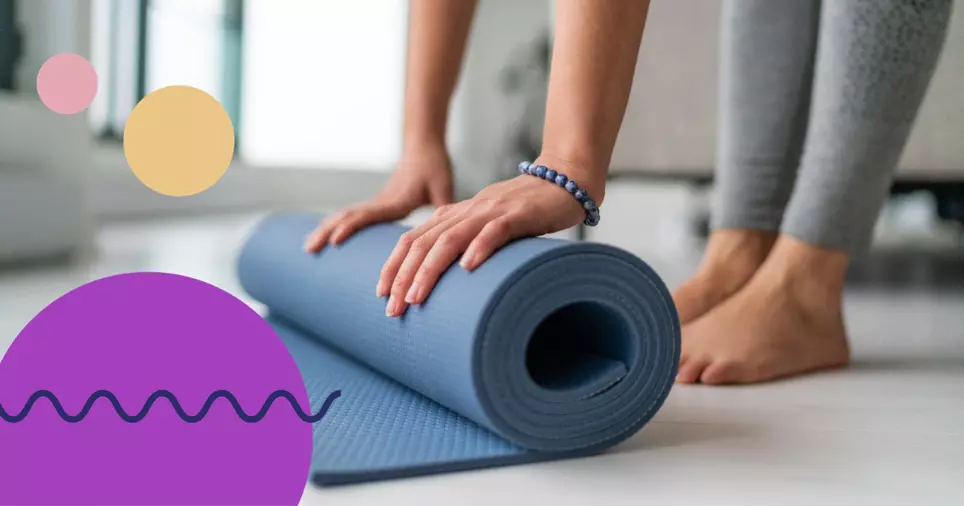
If getting to the gym is difficult or you’re just getting started, there are plenty of strength exercises you can do at home.
Lanners says protein intake and fiber can help maintain a healthy body composition. Eating 0.7 to 1 gram of protein per pound of body weight each day can help build muscle, and getting about 25 grams of fiber a day can help you feel full and stay regular.
“Many of us are not hitting these marks,” she said. “Track what you’re eating for a few days and focus on how much protein and fiber you’re getting.” If you’re getting less than the recommended amount, she says to increase slightly over time (aim to add around five more grams every week).
Talk to your doctor or a dietitian for tailored diet advice, especially if you have medical conditions that affect your dietary needs.
Women experiencing menopause symptoms affecting their ability to stay active, including sleep issues and fatigue, may benefit from additional support.
Talk to your doctor if you’re having trouble controlling symptoms on your own. You may have other underlying medical conditions contributing to your symptoms, including nutritional deficiencies such as low levels of iron or vitamin D. You may also benefit from behavioral therapy to help regulate emotions and stick to health goals.
Many women also experience incontinence (trouble controlling their bladder or bowels), which can make strength training and other physical activity uncomfortable. Lanners says this could be an issue with the pelvic floor muscles, which can be addressed with physical therapy. She recommends visiting the American Physical Therapy Association’s Academy of Pelvic Health website and using their physical therapist locator to find a specialized provider near you.
Taking medications for weight loss has mixed research results. Hormone therapy is a common treatment used to supplement estrogen (and another hormone, progesterone). The goal of hormone therapy is to relieve symptoms and support bone health and overall health. There is some evidence that hormone therapy can help redistribute belly fat, control insulin levels, and lower the risk of heart issues. Weight loss benefits are still unclear.
Weight-loss drugs, like glucagon-like peptide 1 (GLP-1) receptor agonists, are popular among women during perimenopause. GLP-1s can be effective for weight loss, but their effects on muscle mass and bone health — particularly in women who are already experiencing muscle and bone decline during menopause — are unknown.
If you’re curious about hormone therapy or GLP-1s, talk to your doctor to see if they’re right for you.

If you’re not sure where to start, or if menopause symptoms are getting in the way of a healthier lifestyle, ask your doctor for guidance. Lanners also advises talking to your doctor if you notice rapid weight gain. “Depending on the time frame, it could be a red flag for other health challenges,” she said.
If you’re experiencing menopause-related weight fluctuations, Lanners recommends giving yourself one year of consistent strength training or a focused nutrition regimen built around protein and fiber intake to see how it changes your body composition.
 Continue with Facebook
 Continue with Email
Continue with Facebook
Continue with Email
Continue with Email
Continue with Facebook
Continue with Email
Become a member to get even more










Join the conversation
This is a member-feature!
Sign up for free to view article comments.
What is the best thing you have used for hot flashes?
We'd love to hear from you! Please share your name and email to post and read comments.
You'll also get the latest articles directly to your inbox.