
Making sense of menopause, together.
- Connect with women who get it
- Get expert-reviewed resources
- Learn from real women's experiences
Powered By

Perimenopause and menopause bring changes in hormone levels, including estrogen. Aside from causing various symptoms, changes in estrogen may also affect your body’s iron stores, which, in turn, may affect how you feel.
In this article, we’ll explore how estrogen and iron are connected, how changes during the menopause transition may affect your iron levels, and how iron deficiency can cause symptoms that may overlap with those of menopause or perimenopause.
Estrogen is a hormone that plays an important role in the body. It affects your reproductive health, as well as your skin, brain, bones, and muscles.
When estrogen is too low, women may experience symptoms such as hot flashes, dry skin, difficulty concentrating, low energy levels, mood changes, and trouble sleeping.
Low estrogen may also influence how the body regulates iron.
Research suggests that estrogen may affect hepcidin, a hormone made by the liver. Hepcidin helps regulate iron, including how it’s stored and used, and makes sure your body has enough but not too much.
Estrogen, particularly a form called estradiol, can suppress hepcidin production. This could mean that falling estrogen levels during perimenopause may affect hepcidin production and iron storage.
However, researchers are still working to understand this potential connection.
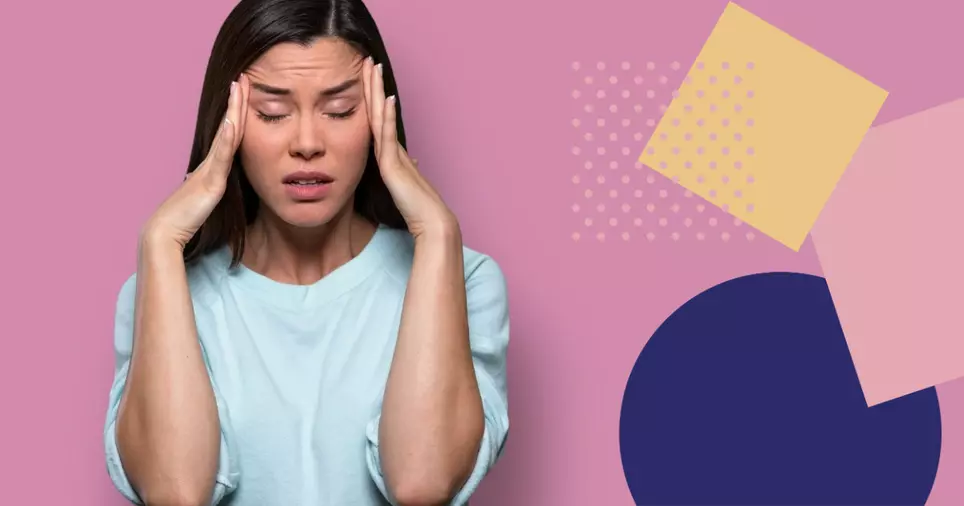
During perimenopause and menopause, women experience a range of symptoms that may be due to falling estrogen levels, iron deficiency, or a mix of both.
Some overlapping symptoms between low estrogen and low iron include:
The overlap between the symptoms of low estrogen and iron deficiency can make it hard to nail down the root cause based on symptoms alone.
It’s important to tell your healthcare provider about any new or changing symptoms rather than assuming the symptoms are caused by menopause. Depending on your symptoms and medical history, your provider may recommend some blood tests.
If your healthcare provider decides to do a blood test, two levels they may check are:
Low ferritin levels can signal iron deficiency. Low hemoglobin levels can indicate anemia, including iron deficiency anemia. Your provider may also order other tests, including a complete blood count (CBC).
If any of your test levels are low or abnormal, you may need additional testing.
Once you and your healthcare provider determine what may be causing your symptoms, you can work together to create a plan. They may recommend one or more of the following strategies.
Eating a variety of iron-rich foods can help you meet your body’s iron needs. Iron-rich foods include red meat, poultry, seafood, beans, tofu, spinach, kale, and other leafy green vegetables.
A registered dietitian or your healthcare provider can review your menopause diet plan and suggest ways to up your iron intake.
If you have low iron, your healthcare provider may recommend taking an iron supplement.
Iron supplements can help restore iron levels, but they can also cause side effects, including constipation, nausea, or stomach upset, so take them only as directed.
A few things to know:
The amount of iron you need and how you take it will depend on your individual situation. Ask your healthcare provider for guidance. Do not take more than your provider prescribes because having too much stored iron, sometimes called iron overload, can lead to organ or joint damage.
If heavy periods are contributing to your iron loss, treating the bleeding may help prevent or reverse iron deficiency.
Heavy menstrual bleeding can have many possible causes, including fibroids, hormonal changes, and other medical conditions. Depending on the underlying cause of your blood loss, treatment options may include medication, such as combined hormonal contraceptives (pills, vaginal ring, or patches), progestin-only pills, a progestin-containing IUD, or a procedure.
The body goes through a lot during perimenopause, and it can sometimes be hard to know what’s causing your symptoms.
While fluctuating hormone levels may play a large role, other conditions, including iron deficiency, can cause similar symptoms and lead to other health issues.
Schedule an appointment with your healthcare provider if you have:
Your healthcare team can help figure out whether your symptoms may be related to menopause, iron deficiency, anemia, or a combination of factors. Once you know what’s causing your symptoms, you and your provider can work together to form a treatment plan that works for you.
 Continue with Facebook
 Continue with Email
Continue with Facebook
Continue with Email
Continue with Email
Continue with Facebook
Continue with Email
Become a member to get even more











Join the conversation
This is a member-feature!
Sign up for free to view article comments.
We'd love to hear from you! Please share your name and email to post and read comments.
You'll also get the latest articles directly to your inbox.