
Making sense of menopause, together.
- Connect with women who get it
- Get expert-reviewed resources
- Learn from real women's experiences
Powered By



 2 Reactions
·
1 Comment
Save
2 Reactions
·
1 Comment
Save
Dry eyes are common during the menopausal transition. In fact, more than 50 percent of perimenopausal women experience dry eye symptoms. Dry eyes can be uncomfortable and may make activities such as reading and driving, as well as wearing contact lenses, more difficult.
Learn why your eyes may become drier during menopause, which treatments can help, and when to see an eye doctor.
Sign up to view the results!
 Continue with Facebook
 Continue with Email
Menopause-related dry eyes may be linked to hormonal changes. Healthy tears contain water, oil, and mucus.
Levels of hormones such as estrogen, progesterone, and testosterone change during perimenopause and menopause. These changes can affect the meibomian glands, which produce the tear film’s oil layer. The glands may produce less oil or lower-quality oil, making tears less stable and causing them to evaporate too quickly.
Although menopause increases the risk of dry eyes, other factors may contribute to or worsen symptoms.
Persistently dry eyes may be a sign of dry eye disease, also called dry eye syndrome. This common condition occurs when tears don’t provide enough moisture and lubrication to the eyes.
Dry eyes can have many possible causes, including environmental factors, lifestyle habits, medications, and medical conditions. An optometrist or ophthalmologist can examine your eyes, help identify the cause, and recommend treatment.
Dry eye symptoms can range from mild to severe and often vary from person to person. Some people notice occasional irritation, and others have symptoms that interfere with everyday activities.
If you’re keeping track of your symptoms, bring your notes to your next appointment. This information can help your eye doctor recommend an appropriate treatment plan.
 What Dry Eyes Look and Feel Like
Dry eye symptoms you can feel may include:
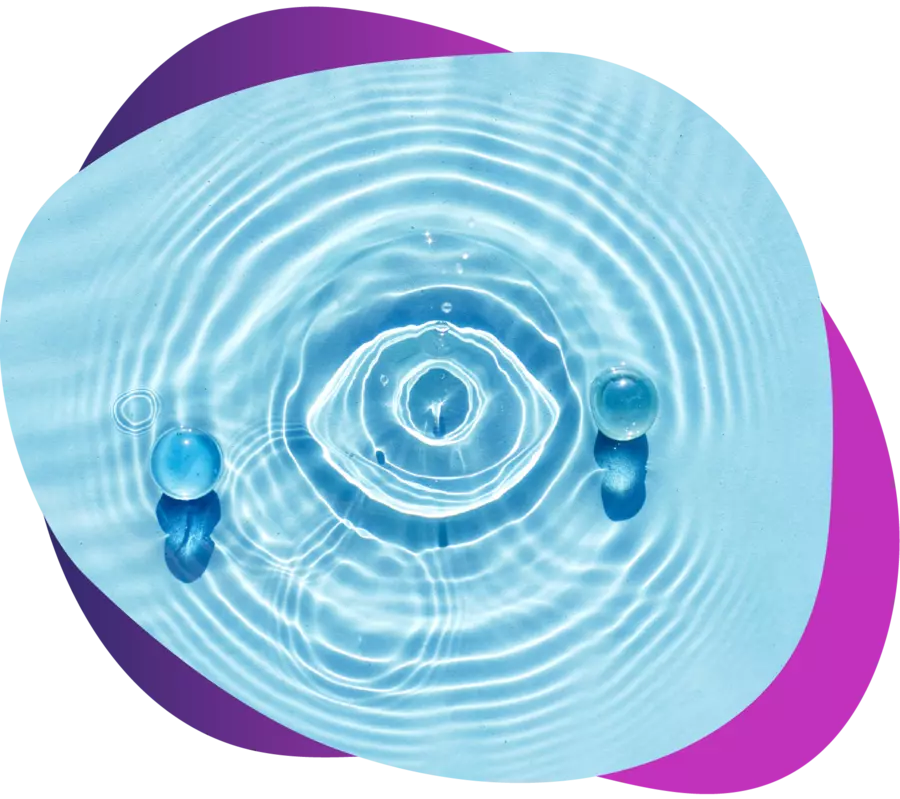 Dryness
You may also have visible signs of dry eye, such as redness or excessive tearing.
Although it may seem surprising, dry eyes can cause eyes to become more watery. Irritation can trigger extra watery tears that don’t solve the underlying dry eye problem.
How Dry Eyes Affect VisionDry eyes can also affect how clearly and comfortably you see. Symptoms may include:
How Dry Eyes Affect Daily LifeFor some people, dry eyes make everyday activities more challenging, including:
Dry eyes may start as a minor annoyance but become more disruptive over time, especially if symptoms are left untreated. If dry eye symptoms are affecting your daily life, an eye doctor can help identify the cause. They can also recommend treatments to help relieve discomfort and protect your eye health.
The best treatment for dry eyes depends on the underlying cause. Your eye doctor can recommend an option based on the cause and severity of your symptoms.
 Artificial Tears and Eye Drops
Artificial tears are often one of the first dry eye treatments healthcare providers recommend. Artificial tears and other lubricating eye drops can temporarily relieve discomfort, burning, and irritation by adding moisture to the surface of the eye.
You can choose from many over-the-counter lubricating eye drops, and finding the right one can make a difference. Here are some tips:
Depending on your symptoms, your eye doctor may recommend eye ointments or gels instead of, or along with, eye drops. Thicker products may provide longer-lasting relief. You may need to try more than one product or a combination of products to find what works best for you.
Prescription Anti-Inflammatory MedicationsIf artificial tears aren’t enough, your eye doctor may prescribe treatments such as anti-inflammatory eye drops or topical steroids. These medications can help reduce inflammation linked to dry eye disease. Your eye doctor can recommend the best option for you.
In-Office TreatmentsSome people with problems affecting the meibomian glands may benefit from in-office treatments, including thermal pulsation and intense pulsed light therapy. These treatments may help improve meibomian gland function and reduce tear evaporation.
In some cases, an eye doctor may recommend punctal plugs. These tiny devices are placed in the openings that drain tears from the eyes, helping tears stay on the eye’s surface longer.
At-Home CareSimple at-home steps can also support dry eye treatment.
Cleaning your eyelids with eye-safe products can help maintain eyelid hygiene. This may be especially helpful when problems with the oil-producing glands contribute to symptoms. Your eye doctor can recommend products that are safe and appropriate for your eyes.
A warm compress over the eyes may also help loosen oils in the eyelid glands and improve the tear film.
Because dry eyes during menopause may be linked to changing hormone levels, some people may wonder whether hormone therapy can help. The answer isn’t entirely clear.
Hormone replacement therapy (HRT) can be an effective treatment for hot flashes, night sweats, sleep problems, and other common menopause symptoms. However, research on whether it helps or worsens dry eyes is mixed.
Some research suggests that estrogen may support the function of the meibomian glands. However, other research suggests that systemic hormone therapy may be linked to a higher risk of dry eye disease.
More research is needed to understand how HRT affects dry eye symptoms. If you’re considering hormone therapy, talk with your doctor about its potential risks and benefits based on your symptoms, health history, and treatment goals.
As you consider your treatment options, lifestyle changes may also help. Changing some habits or trying new ones may improve your comfort, support your eye health, and help reduce irritation. Tips to consider include:
If possible, keep track of your symptoms and what you were doing or where you were when they occurred. This may help you identify habits or environments that seem to make your dry eyes better or worse.
If over-the-counter products don’t provide symptom relief or you notice new or worsening symptoms, schedule an appointment with an eye doctor. Menopause-related dry eyes may not improve on their own. The right treatment plan can help relieve symptoms and protect your eye health.
Continue with Facebook
Continue with Email
Continue with Facebook
Continue with Email
Become a member to get even more











Join the conversation
This is a member-feature!
Sign up for free to view article comments.
When having vaginal
Burning from vaginal
Dryness (perimentapause) how do you know when it is safe to have sex again? Since you have good days and bad days ? I would like to hear what others have to… read more
We'd love to hear from you! Please share your name and email to post and read comments.
You'll also get the latest articles directly to your inbox.