
Making sense of menopause, together.
- Connect with women who get it
- Get expert-reviewed resources
- Learn from real women's experiences
Powered By


 2 Reactions
·
Save
2 Reactions
·
Save
Women sometimes experience headaches associated with menopause. Headaches may be a direct symptom of fluctuating estrogen and progesterone as hormone levels change. They may also be a symptom of other health conditions.
If you're experiencing headaches and think they may be associated with menopause, here's what you need to know.
About 96 percent of people experience headaches at some point in their lives. It can be hard to tell what's causing them. That said, some women report experiencing headaches more frequently or more intensely during menopause.
There are more than 150 kinds of headaches.
Headaches can indicate that something serious is going on in your body. If your headaches meet any of the following criteria, get medical help right away. A headache may need a doctor's attention if it:
Your healthcare team can figure out what kind of headache you're having, what's causing it, and what the best treatment plan is for your body.
Menopause can be connected to headaches in a few different ways. Talk to your doctor to identify whether any of these factors may be related to your headaches.
Changes in hormone levels, particularly estrogen, can lead to both migraine headaches and tension headaches. Sometimes during perimenopause, estrogen levels drop quickly. This drop in estrogen can constrict your blood vessels, which can trigger a headache. Estrogen also affects how sensitive you are to pain and how inflamed your body is, which may worsen headaches.
Perimenopause may be a particularly difficult time if you also live with migraine. About 30 percent of women experience migraine symptoms that peak during perimenopause, according to a study published in the journal Neurology and Therapy. Your healthcare provider can recommend a treatment plan to help prevent migraine headaches that get worse during perimenopause.
In addition to being affected by hormonal changes, you may experience more migraine attacks associated with other symptoms of menopause too. Hot flashes, insomnia, weight gain, memory problems, and stress associated with menopause can all affect how you experience migraine symptoms.
The good news is that as hormone levels stabilize after menopause, you may have fewer migraine headaches. Not everyone will experience this, but it's possible.
About 96 percent of people experience headaches at some point in their lives.
About 30 percent of women experience migraine symptoms that peak during perimenopause.
There are more than 150 kinds of headaches.
Some women find that their blood pressure goes up during menopause and may stay that way even once they're postmenopausal. Blood pressure may increase for several reasons, including:
Since high blood pressure can cause headaches, your healthcare team may want to check for hypertension.
Menopause is connected to depression and anxiety, which may be directly related to hormonal changes or to stress caused by other menopausal symptoms. In fact, the more severe your symptoms of menopause are, the more likely you are to also experience mental health issues. Somewhere between 15 percent and 50 percent of women have mental health challenges during menopause.
Migraine also has links to both anxiety and depression. It's unknown exactly how this connection works.
Stress and anxiety are also connected to tension headaches. Even if you don't deal with migraine, you may have additional headaches connected to your mental health during menopause.
Headaches during menopause may not be directly related to menopause. Other conditions that cause headaches include:
Sneezing, blowing your nose, coughing, straining to have a bowel movement, or laughing or crying too hard can also trigger a headache. Your doctor can help you figure out what factors are contributing to your headaches.
There are ways to help manage pain associated with menopausal headaches. Ask your doctor which are most likely to help in your case.
Changing what you eat may help your headaches. Some people find that eating certain foods and avoiding others helps manage migraine attacks. Different people will be sensitive to different foods and drinks, but you may try limiting or eliminating:
One study suggested consuming more isoflavones may be particularly helpful with headaches during menopause. These nutrients come from plants, especially soy, and can act like estrogen in the body.
Managing your stress may help reduce headaches too. You might try stress reduction techniques such as exercise, deep breathing, mindfulness, or meditation to see if any help lower your tension and relieve headaches.
If you're in perimenopause and still menstruating, magnesium supplements may help relieve menstrual migraines. Healthcare professionals recommend starting magnesium 15 days after the start of your period and continuing until your next menstrual cycle. Additionally, lack of sleep can be a headache trigger, and magnesium can also help with sleep.
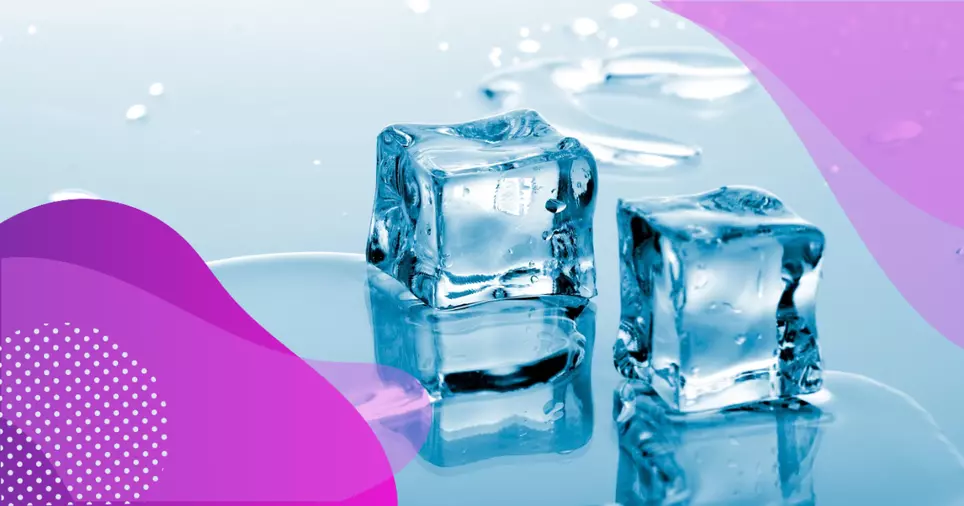
Using ice packs or heating pads on your head can help alleviate headache pain. A hot or cold compress may be particularly helpful if you get tension headaches. Make sure your pack isn't too hot or too cold and that you follow medical advice for how long and how often to use it.
Sometimes, over-the-counter (OTC) pain relief is all you need to help your head feel better. These medications may be particularly helpful with tension headaches. Additionally, OTC nonsteroidal anti-inflammatory drugs (NSAIDs), such as ibuprofen, may help prevent some migraine attacks. Taking OTC pain relievers too often can lead to more headaches, though, so consult with your doctor if you need them more than once or twice a week.
If your headaches are frequent or severe, it's time for additional medical help. The treatment options your doctor suggests will depend on what kind of headache you have. For instance, for migraine, there are rescue medications such as triptans and also preventive drugs. If you have high blood pressure, your doctor may recommend medication to lower it safely.
 Continue with Facebook
 Continue with Email
Continue with Facebook
Continue with Email
Continue with Email
Continue with Facebook
Continue with Email
Become a member to get even more










Join the conversation
This is a member-feature!
Sign up for free to view article comments.
We'd love to hear from you! Please share your name and email to post and read comments.
You'll also get the latest articles directly to your inbox.