
Making sense of menopause, together.
- Connect with women who get it
- Get expert-reviewed resources
- Learn from real women's experiences
Powered By



 15 Reactions
·
2 Comments
Save
15 Reactions
·
2 Comments
Save
When you’re in perimenopause, it can feel like your world has been turned upside down and you don’t even recognize who you are. Along with physical symptoms like hot flashes and irregular periods, you may find yourself getting easily angered at your spouse, feeling constantly irritated, or snapping at loved ones.
Lauren Tetenbaum, a licensed psychotherapist and Menopause Society Certified Practitioner, confirms these emotional changes are common during perimenopause.
“The good news is that perimenopause rage is not your new identity,” Tetenbaum said. “It’s temporary and treatable.”
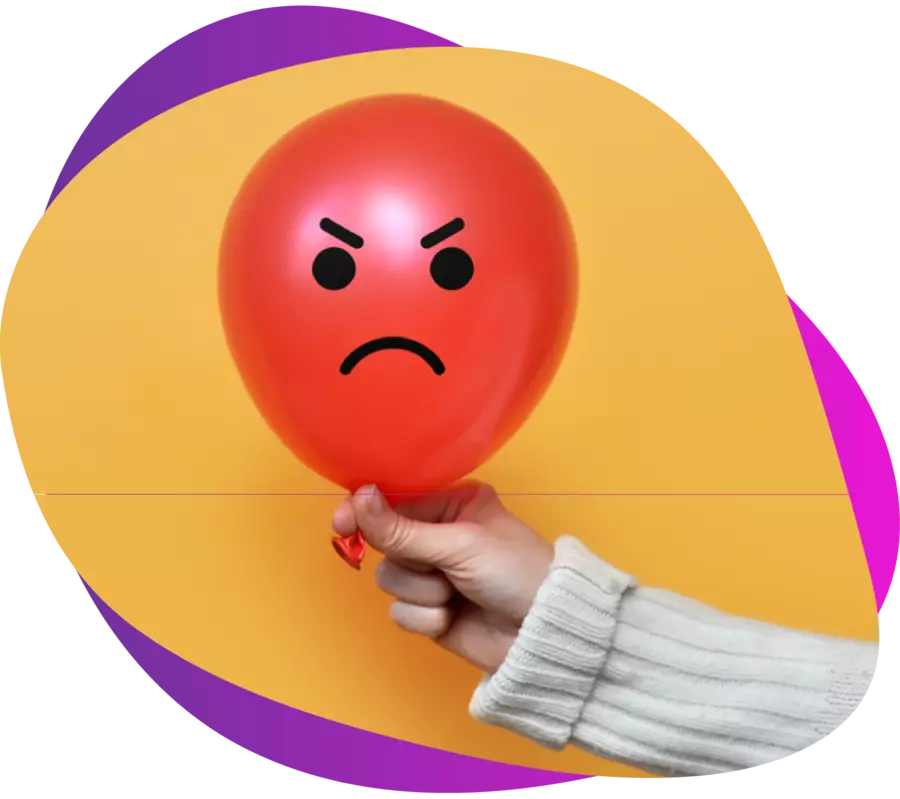
Perimenopause rage can feel like a sudden loss of patience or a lower tolerance for frustration, especially with those closest to you, like your spouse or children. Small inconveniences or annoyances may suddenly feel overwhelming or impossible to ignore.
Tetenbaum explained that one of the defining features of perimenopause rage is that the emotional reaction often feels difficult to control and disproportionate to the situation. It often comes about quickly.
“A lot of women describe feeling like a demon has taken over their bodies,” she described. “They have this out-of-body experience where they know they don’t want to react this way, but they are just so angry and feel like they have to yell to get their point across.”
Then, many women carry intense guilt or shame after snapping at loved ones, Tetenbaum said.
“A lot of women beat themselves up emotionally when they’re not showing up the way they want to,” Tetenbaum explained. “But I firmly believe that repair is always available, and you’re not a bad mom or a bad person just because you’re having a bad day.”

“My anger started changing, and what bothers me most is how I treat the ones I love.”
“My mood swings — I hate it. They make me mean in ways I don’t like at all. It’s even torn me and my husband apart.”
Tetenbaum said many women don’t immediately recognize that the emotional changes they’re experiencing may be linked to perimenopause.
“A lot of women think, ‘Maybe I’m just tired,’ or, ‘I guess this is just my life now,’” she said. “But often, these feelings are driven by hormonal changes.” In addition to hormonal changes, the stressors of this phase of life can make the irritability that leads to rage worse.
Fluctuating hormone levels can trigger many of the physical symptoms people commonly associate with the menopause transition, including hot flashes and weight gain. But those same hormone changes can also significantly affect emotional health, contributing to irritability, anger, anxiety, and depression.
 “In perimenopause, estrogen and progesterone are fluctuating wildly and ultimately declining,” Tetenbaum explained. “Those fluctuations affect our neurotransmitters and can lead to really intense emotional responses.”
Tetenbaum said mood changes are extremely common during perimenopause, with some estimates suggesting that as many as 70 percent of women experience irritability.
Hormonal changes aren’t the only factor contributing to rage in midlife. Tetenbaum explained that women are often navigating significant stressors at the same time, including caregiving responsibilities, career pressures, relationship changes, and the physical effects of menopausal symptoms like poor sleep and changes in sex drive.
“If women aren’t feeling good physically, they’re likely not going to feel good emotionally,” Tetenbaum said. “When you combine midlife stressors with hormonal fluctuations, our reactions can be a lot more volatile than we might like them to be.”
If you’re feeling increased irritability or anger, there are steps you can take that may help improve your quality of life — and your relationships.
Here are some lifestyle changes and self-care strategies to consider:
Practicing acceptance can also help. While emotional ups and downs may happen during the menopausal transition, give yourself grace and remember that hormone changes are likely to blame.
Tetenbaum said it’s also important to acknowledge when this happens and take steps to repair your relationships.
“I’m a big believer in direct communication,” she said. “You can say something like, ‘I’m sorry I was in a bad mood earlier. I didn’t mean to raise my voice. I’ll be more mindful next time.’ That’s huge and yet so simple.”
Many women seek additional support along with lifestyle changes and self-care strategies. It may be helpful to consider speaking to a qualified, licensed healthcare professional to discuss additional treatment options. If you’re already working with a professional, it’s important to share any new symptoms or patterns and not dismiss them as the new normal.
“Just because perimenopause rage is common doesn’t mean you have to live with it,” Tetenbaum said. “It’s important to get the support and treatment options you deserve.”
Therapy and medication are two common potential treatments for perimenopause rage.
 Mental Health Support
Psychotherapy can play an important role in helping women develop coping strategies and emotional regulation skills during any time of overwhelming feelings, including rage.
“We work on coping mechanisms because we can’t take away feelings of frustration or annoyance — those are natural human emotions,” Tetenbaum, who counsels women navigating perimenopause and other life transitions, said. “But we can control how we behave when we feel those emotions.”
One key focus of therapy, Tetenbaum explained, is learning distress tolerance skills. These are tools that help slow down emotional reactions before they escalate.
“If something triggers an elevated reaction, like an email from your boss or a text from your mother-in-law, we practice pausing and taking a deep breath before reacting or responding,” Tetenbaum said. “This is a technique known as the STOP skill.”
STOP stands for:
Tetenbaum added that small reminders can help reinforce this practice in daily life.
“I wear a bracelet that says ‘pause,’” Tetenbaum said. “It’s a good reminder that the initial response is probably not the ideal one if you’re having an intense emotional reaction.”
Another potential benefit of therapy is the opportunity to learn why you’re feeling what you feel.
“A large part of my job is helping women understand what’s happening in this phase of life,” Tetenbaum said. “Education doesn’t alleviate the symptoms, but knowledge is power. When women can say, ‘This is happening to me, and this is why,’ they often feel a huge sense of relief.”
Tetenbaum said cognitive behavioral therapy (CBT) can be effective for a range of health conditions, including depression, anxiety, and other emotional symptoms of perimenopause. CBT may also help reduce the impact of hot flashes, poor sleep, and other physical symptoms.
MedicationFor some women, medication can be an important part of treatment.
Hormone replacement therapy (HRT), also known as menopause hormone therapy, can help stabilize fluctuating or declining estrogen levels, which may help reduce irritability and anger, along with physical menopausal symptoms — which may lead to women feeling much better emotionally, as well.
Nonhormonal options can also be effective on their own or in conjunction with hormone therapy. Some antidepressants, including selective serotonin reuptake inhibitors (SSRIs), are used to treat menopausal mood changes and other emotional symptoms. They can also be prescribed for some physical symptoms, including hot flashes.
Finding the Right ProviderAs with all medications, it’s important to work with providers who understand the nuances of dosages, potential side effects, and treatment goals. Because every woman’s perimenopause experience is different, treatment should involve a personalized approach. It may take time to find the right support, so don’t give up if the first provider isn’t the right fit because you don’t feel heard or notice any symptom improvement.
Many women benefit from working with a healthcare professional who specializes in women’s midlife health or menopause care. The Menopause Society offers a free search tool to help women connect with Menopause Society Certified Practitioners like Tetenbaum.
Perimenopause rage can feel overwhelming, but it doesn’t have to define this stage of life. With support, treatment, and the right coping strategies, many women do feel better.
“I wish women knew that perimenopausal rage is very common, but it does not define them,” Tetenbaum said. “It’s not something you have to deal with alone — support is available. You can and deserve to feel better.”
 Continue with Facebook
 Continue with Email
Continue with Facebook
Continue with Email
Continue with Email
Continue with Facebook
Continue with Email
Become a member to get even more











Join the conversation
This is a member-feature!
Sign up for free to view article comments.
i have fibroids that came back but i dont need surgery this time and im still having painful periods that are heavy and dryness as well how is this possible
We'd love to hear from you! Please share your name and email to post and read comments.
You'll also get the latest articles directly to your inbox.