
Making sense of menopause, together.
- Connect with women who get it
- Get expert-reviewed resources
- Learn from real women's experiences
Powered By

Perimenopause is a time of transition. As you near the end of your fertile years and get closer to menopause, you may have uncomfortable symptoms like night sweats, hot flashes, mood swings, and cramps.
Although perimenopause symptoms like cramping are often a normal part of this transition, they may affect your quality of life. You may ask yourself whether what you’re feeling is normal.
Several women surveyed by ThisIsMenopause have commented on their experiences with perimenopause cramps. “I’m getting bad sleep, more bleeding with periods, and more cramping. I’m exhausted with extreme fatigue,” one wrote.
“I never know when, or if, I’m going to have a period. Bloating and cramps seem to be almost constant,” another woman noted. “I’m tired, and I’m having more abdominal cramps and hot flashes,” another said.
Here, we discuss perimenopause cramps, including why they may feel worse than what you’re used to and when to check in with your doctor.
Sign up to view the results!
 Continue with Facebook
 Continue with Email
Many women experience cramping during their periods. In fact, cramping is the most common symptom reported during menstruation. During your reproductive years, your body goes through menstrual cycles every 28 days or so. Your cycle begins the first day you menstruate.
After ovulation (when your ovary releases an egg), an egg travels to the uterus to be fertilized by sperm. If you don’t become pregnant, levels of the hormones estrogen and progesterone fall. This tells your body that it’s time to shed the uterine lining, and your period begins.
Period cramping is called primary dysmenorrhea. It happens when the lining of the uterus produces chemicals called prostaglandins. These chemicals make your uterus and blood vessels contract so that you can shed the lining of your uterus. Usually, you’ll have the highest level of these chemicals on day one of your cycle.
During perimenopause, your estrogen levels don’t drop the same way. Even if a released egg isn’t fertilized, estrogen levels during perimenopause may stay higher than usual or fluctuate (change) unpredictably. Higher estrogen levels may trigger the release of prostaglandins, which can lead to uterine contractions and cramps.
Prostaglandins and the hormonal changes of perimenopause may cause painful cramps that feel worse than usual. They can also cause cramping in women who aren’t used to menstrual cramps.
Painful cramping can also happen when you’re not having a period. In some cases, this may be linked to hormone changes during perimenopause or to an underlying condition.
“I keep feeling like my period is coming. I get cramps, but no period,” one woman surveyed by ThisIsMenopause wrote. Like so many symptoms of perimenopause, cramping without menstrual bleeding can be caused by hormone fluctuations.
During perimenopause, menstrual cycles become irregular, and hormone levels fall until menopause. Hormone levels that are different from what your body is used to can trigger cramping that’s unrelated to your period.
Women with these types of cramps often have them over more days of their cycle than they would regular period cramps. Also, according to the American College of Obstetricians and Gynecologists, this cramping pain often becomes more severe over time.
Hormonal changes due to perimenopause aren’t the only reason you might experience cramping. Other potential causes of cramps include:
If you have painful cramps both with and without menstrual periods, a condition called adenomyosis may be to blame. With adenomyosis, tissue similar to the lining of the uterus grows into the wall of the uterine muscle. This can lead to longer, more painful cramps as well as heavy bleeding when you do get your period.
If you’re having cramping that’s worse than you’re used to or that’s new, talk to a doctor. A healthcare professional who specializes in women’s health is best suited to help you get to the bottom of what’s causing your cramps.
Seeing a doctor is important to prevent other health conditions that can stem from fluctuating hormones. High estrogen levels due to perimenopause can worsen or trigger other conditions, such as:
Talk to your doctor about how to relieve the pain and discomfort caused by perimenopause cramps. Medications such as nonsteroidal anti-inflammatory drugs (NSAIDs) and hormonal birth control are treatment options commonly used to reduce pain from cramps.
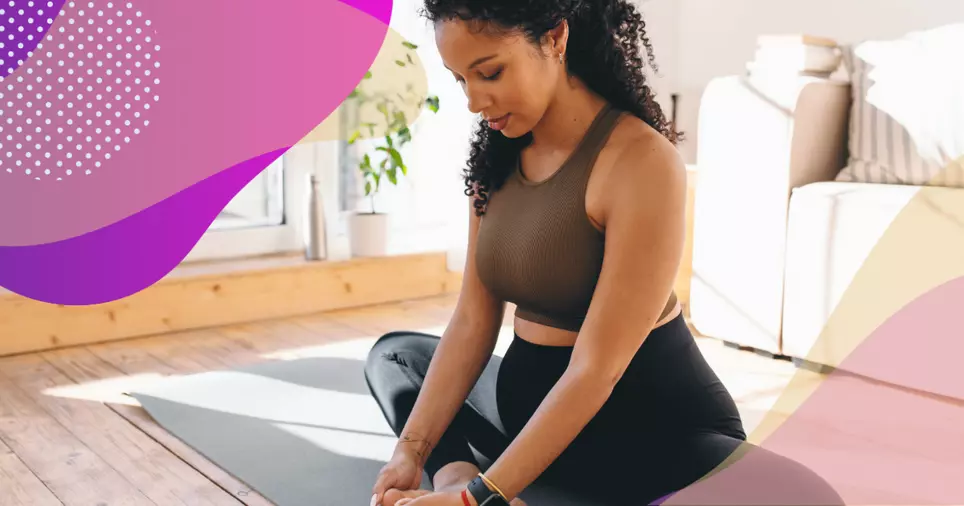
Other options that may help to manage perimenopause cramps include exercising regularly, getting enough sleep, using a heating pad, and practicing relaxation techniques like meditation and deep breathing.
Acupuncture might help relieve menstrual cramps, but there aren’t many high-quality studies available. Other alternative therapies like acupressure and herbal medicine might also provide relief, though their effects on menstrual cramps haven’t been well studied.
Research has shown that vitamins E, B1, and B6, omega-3 fatty acids, and magnesium may be helpful for relieving cramps. Be careful with supplements, as they’re not regulated by the U.S. Food and Drug Administration (FDA).
Perimenopause cramps can be uncomfortable and sometimes surprising, especially if they feel different from the cramps you’ve had in the past. In many cases, they are linked to hormone changes that happen during this stage of life.
However, severe or unusual pain shouldn’t be ignored. If your cramps are new, worsening, or affecting your daily life, talk with your doctor to find out what’s causing them and what treatments may help.
Continue with Facebook
Continue with Email
Continue with Facebook
Continue with Email
Become a member to get even more









Join the conversation
This is a member-feature!
Sign up for free to view article comments.
We'd love to hear from you! Please share your name and email to post and read comments.
You'll also get the latest articles directly to your inbox.