
Making sense of menopause, together.
- Connect with women who get it
- Get expert-reviewed resources
- Learn from real women's experiences
Powered By

 1 Reaction
·
Save
1 Reaction
·
Save
Many women notice swelling, puffiness, or sudden weight changes during perimenopause. Rings may feel tight. Shoes may not fit the same by the end of the day. Some women notice a bloated stomach and wonder what’s happening.
These symptoms can be frustrating and uncomfortable. In a survey conducted by ThisIsMenopause, one member shared, “I am ready for it to be over. Experiencing weight gain and swelling.”
During perimenopause, changing hormone levels (estrogen and progesterone) can affect how the body holds onto fluid. This can lead to water retention, also called edema. Here’s what to know about edema during perimenopause, including symptoms, causes, red flags, and ways to find relief.
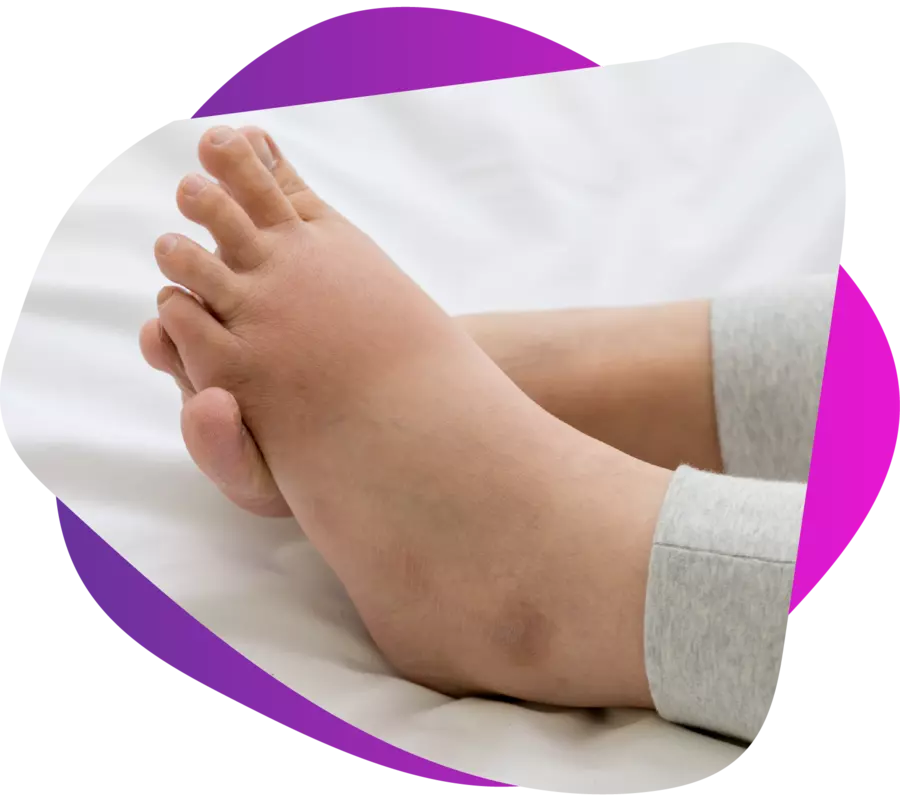 What Is Edema?
Edema is swelling caused by extra fluid trapped in the body’s tissues. It can affect most parts of the body for different reasons. In perimenopause, many women experience edema of the feet, ankles, and legs, as well as the hands and fingers.
Mild edema can happen to almost anyone from time to time. Sitting too long, eating a lot of salt, or having hormonal changes during the menstrual cycle can all cause temporary swelling.
During perimenopause, fluid retention may become more noticeable because hormone levels are often changing and less predictable.
Sometimes edema is harmless and goes away on its own. Other times, it can point to a more serious health condition. Learning what to watch for can help you know when to check in with a doctor.
Perimenopause is the transition leading up to menopause. During this time, estrogen and progesterone levels rise and fall unevenly.
These hormone shifts can affect the body’s fluid balance in several ways.
Estrogen can affect how the body regulates salt and water balance. When estrogen levels fluctuate or become relatively high compared with progesterone, the body may retain more sodium and water.
This can lead to bloating, temporary weight gain, swollen breasts, and puffy hands and feet. Some women notice this swelling comes and goes throughout the month.
Progesterone can have a mild diuretic effect, meaning it may help the body release extra fluid.
During perimenopause, progesterone levels often drop earlier and more sharply than estrogen levels. Without enough progesterone, the body may retain more water.
These changes in hormone levels may also contribute to bloating, breast tenderness, and swelling.
Even before menopause, many women notice water retention during certain parts of the menstrual cycle. Research shows that swelling often happens in the days leading up to your period because hormone levels shift quickly during this time.
For some women, common symptoms before a period include:
Perimenopause can make these symptoms more intense or less predictable because ovulation may become irregular.
Hormonal water retention is usually mild to moderate. It often changes throughout the day or month.
Common symptoms include:
Some women notice swelling worsens before their period or during times of stress. Hormonal edema is usually temporary. The swelling may improve overnight or after movement and physical activity.
Bloating and edema can be related, but they aren’t exactly the same.
Bloating usually refers to fullness or pressure in the abdomen. It is often linked to digestion, hormones, or gas.
Edema refers to fluid buildup in body tissues, especially in the legs, feet, hands, or face.
Many women have both during perimenopause.
Not all edema is caused by hormones. Sometimes swelling can point to a medical condition that needs attention. For example, heart disease risk also rises after menopause, partly because estrogen levels decline over time. Estrogen helps support heart and blood vessel health.
Conditions linked to edema include:
This is why it’s important not to ignore severe or sudden swelling.
Seek urgent medical care if you have:
These symptoms could signal a more serious issue, including heart or circulation problems.
Hormonal swelling is usually mild, temporary, and worse around the menstrual cycle. It usually affects both feet, both ankles, or both hands, and it improves with rest or movement.
Edema related to heart failure is more likely to cause significant swelling in the legs or ankles, along with shortness of breath, especially when lying flat. People with heart failure may experience extreme fatigue and have rapid weight gain from fluid buildup.
If you are unsure what is causing swelling, it’s best to get checked by a healthcare provider.
High blood pressure itself does not usually cause obvious edema, but it can affect heart and blood vessel health over time.
Hormonal fluctuations during menopause may also increase the risk of developing high blood pressure.
There is no single cure for hormonal water retention, but several strategies may help reduce swelling and improve comfort.
Movement helps circulation and can prevent fluid from pooling in the legs and feet.
Helpful activities include:
Even standing up and moving regularly during the day can help.
Sodium makes the body hold onto water. A low-sodium diet with fewer processed foods may reduce bloating and swelling.
Foods high in sodium include chips, fast food, canned soups, frozen meals, and processed meats.
Instead, focus on eating whole foods like fruits, vegetables, beans, nuts, and lean proteins.
It may sound strange, but dehydration can worsen water retention. When the body senses dehydration, it may hold onto more fluid.
Aim to drink water regularly throughout the day.
If your ankles or feet swell, elevating your legs above the heart for short periods may help fluid move back through the body.
Compression socks may also help some women, especially if they sit or stand for a long time.
Stress can affect cortisol, another hormone that may contribute to bloating and fluid retention.
Stress management and relaxation look different for everyone. Some strategies include:
For some women, hormone therapy may improve symptoms related to fluctuating hormones, including bloating and swelling.
Hormone therapy is not right for everyone, so discuss the risks and benefits with your healthcare provider.
Certain medications can cause swelling, including:
If your swelling started after a new medication, talk to your doctor or pharmacist.
Mild edema is usually temporary and may improve with lifestyle changes such as staying active, cutting back on sodium, managing stress, and drinking enough water. However, severe swelling, shortness of breath, chest pain, or swelling on one side of the body is unusual and should be checked by a healthcare professional.
Paying attention to warning signs can help you know when to get care and feel more confident as your body changes through perimenopause.
 Continue with Facebook
 Continue with Email
Continue with Facebook
Continue with Email
Continue with Email
Continue with Facebook
Continue with Email
Become a member to get even more









Join the conversation
This is a member-feature!
Sign up for free to view article comments.
We'd love to hear from you! Please share your name and email to post and read comments.
You'll also get the latest articles directly to your inbox.