
Making sense of menopause, together.
- Connect with women who get it
- Get expert-reviewed resources
- Learn from real women's experiences
Powered By



 Medically reviewed by
Lisa Booth, RDN
·
Written by
Suzanne Mooney
Your best friend mentioned protein powder over lunch. Then an article about protein popped up in your social media feed.
Suddenly, protein is everywhere. And for good reason.
Protein is essential for overall health. It’s especially important during perimenopause and menopause.
In this article, we’ll explain why protein matters, what to look for when choosing a protein powder, and how it fits into a balanced, menopause-friendly diet.
Protein helps maintain muscle mass and supports bone health. This is true throughout life, but especially as we age. During perimenopause and menopause, declining estrogen levels contribute to shifts in muscle mass, body composition, and metabolism.
Getting enough protein, along with regular physical activity and strength training, can help preserve lean muscle. Protein may also help you feel fuller after meals and support weight maintenance, which can be a concern during menopause.
Sign up to view the results!
 Continue with Facebook
 Continue with Email
The Recommended Dietary Allowance (RDA) for protein is 0.8 grams per kilogram of body weight per day. This is the amount considered adequate for most healthy adults, but some health authorities suggest that 1.0 to 1.2 grams of protein per kilogram of body weight may be a better target as we age.
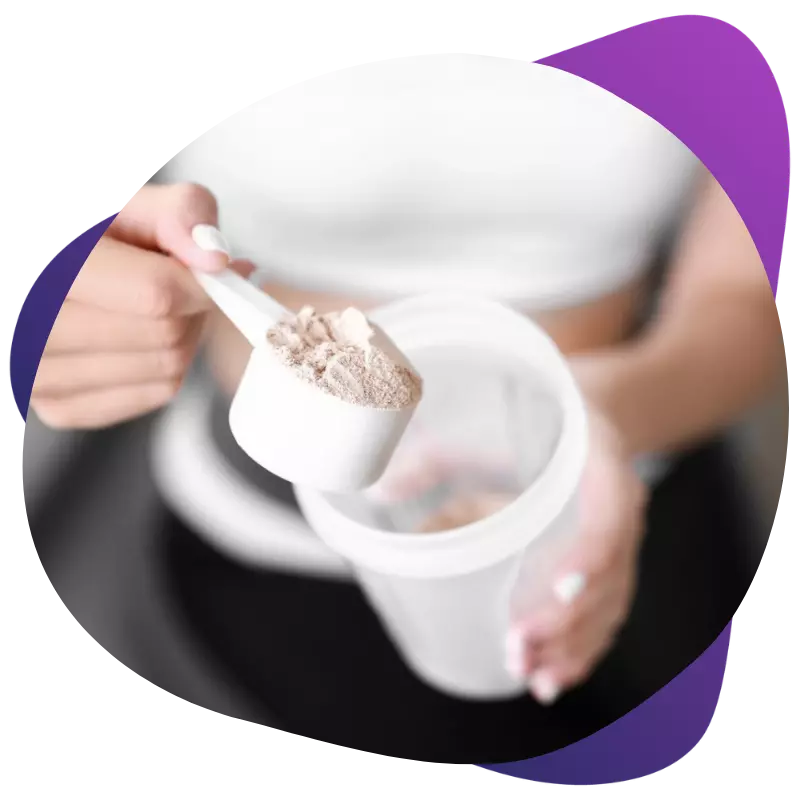 To estimate your daily protein needs, divide your weight in pounds by 2.2 to get your weight in kilograms. Next, multiply that number by 1.0 for the lower end of your protein range and 1.2 for the upper end. For example, someone who weighs 150 pounds weighs about 68 kilograms, which translates to approximately 68 to 82 grams of protein per day.
Your individual protein needs may vary based on your age, activity level, and health, so talk with your healthcare provider or a registered dietitian to find out how much protein is right for you.
If you’ve ever searched online for “best protein powder for menopause weight loss,” you’re not alone. Protein powder isn’t a weight-loss product, but when used alongside regular physical activity, increasing your daily protein intake may help support metabolism, lean muscle mass, and feeling fuller for longer.
With so many protein powders available, choosing one for the first time can feel overwhelming. Familiarizing yourself with a few common protein sources is a good first step.
Whey is a protein found in cow’s milk, and it’s a common base for protein powder. It contains all nine essential amino acids, including leucine, an amino acid that helps build and maintain muscle. When paired with strength training and other physical activity, whey protein may help with weight loss.
Casein is another dairy-based protein that provides all nine essential amino acids. It digests more slowly than whey, making it a good option for people who want to feel fuller longer after a meal. Like whey, casein protein powder may support weight loss when paired with exercise.
Collagen peptides are a supplement made from animal collagen. Although often marketed for skin, joint, and bone health, collagen products differ from conventional protein powders.
They’re typically low in leucine and lack another essential amino acid called tryptophan. Research on the benefits of collagen peptides is mixed.
Soy protein comes from soybeans. It’s a dairy-free, plant-based protein source, making it a good option for anyone who is lactose intolerant, vegetarian, or vegan.
Like whey and casein, soy protein contains all nine essential amino acids. Soy may help lower high cholesterol.
Some studies have looked at soy isoflavones for menopause symptoms, but the results are mixed. Research has not shown a clear, consistent reduction in hot flashes, and most studies focus on soy isoflavones rather than soy protein itself.
Pea protein is another dairy-free, plant-based option. It contains all nine essential amino acids, but it is relatively low in methionine. Some products combine pea protein with other plant proteins, such as brown rice protein, to create a more balanced amino acid profile.
Like whey, pea protein may help support muscle growth and metabolism. It may also help curb post-meal blood sugar and help you feel fuller longer, but this depends on factors such as activity level and overall diet.
You may also see protein powders made from egg, rice, and hemp. If you’re not sure which option to choose, talk to your healthcare provider or a registered dietitian. The best choice for you depends on your protein needs, dietary preferences, budget, and goals.
Reading the nutrition facts panel, ingredient list, and product reviews can help you compare protein powder options and find one that fits your needs. Here are a few questions to consider when choosing a protein powder.
Check the product label to see whether the protein comes from whey, casein, soy, peas, or another source. If you have food allergies or dietary restrictions, use that information to choose a product that meets your needs.
On the nutrition facts panel, you can see the grams of protein per serving.
Some people may benefit from products with about 25 to 30 grams of protein per serving. Some research suggests that older adults should aim for that amount per meal. Protein needs should be adjusted according to personal needs and goals.
The U.S. Food and Drug Administration (FDA) regulates dietary supplements but doesn’t routinely test or screen supplements, which means what’s actually in the product may differ from what’s listed on the label. To ensure the protein powder you choose contains what the label claims and has been screened for contaminants, look for products verified by independent third-party testing.
Some protein powders include added sugars and sweeteners to improve the taste. Check the nutrition facts panel for added sugars and the ingredient list for sweeteners like stevia or sucralose, and then decide whether the product meets your nutritional goals.
Because maintaining muscle can get harder with age, leucine may be an ingredient worth considering when comparing protein powders. Research suggests that leucine has a greater impact on muscle repair and growth than other amino acids.
However, you don’t necessarily need a product marketed specifically for its leucine content. If you choose a complete protein source like whey, which contains all nine essential amino acids, it will have leucine in it.

Protein powder can be a convenient way to help meet your protein goals during perimenopause and menopause, but it isn’t a replacement for whole-food protein sources. Protein powder works best as a menopause supplement when combined with a balanced diet and regular resistance training.
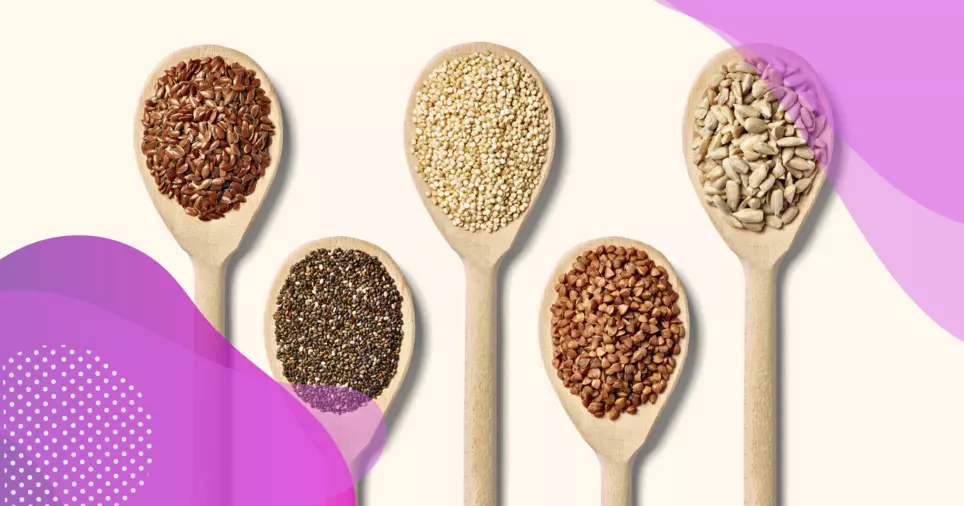
Health experts recommend getting at least half of your daily protein from plant sources, including tofu, nuts and seeds, beans and lentils, and quinoa. You can pair these with other protein sources like fish, eggs, lean poultry, cottage cheese, and Greek yogurt.
Protein powder can be helpful when:
Aim to include protein at each meal, and spread your protein intake throughout the day. If you take some after a workout, such as lifting weights or cardio, protein may help support muscle repair and growth.
Some people blend protein powder into smoothies, while others mix it into oatmeal or yogurt. Experiment and see what works for you.
Before adding protein powder to your menopause diet plan, talk with your healthcare provider or a registered dietitian. They can help you determine how much protein you should get each day and whether a supplement is right for you.
Continue with Facebook
Continue with Email
Continue with Facebook
Continue with Email
Become a member to get even more










Join the conversation
This is a member-feature!
Sign up for free to view article comments.
We'd love to hear from you! Please share your name and email to post and read comments.
You'll also get the latest articles directly to your inbox.