
Making sense of menopause, together.
- Connect with women who get it
- Get expert-reviewed resources
- Learn from real women's experiences
Powered By



 3 Reactions
·
Save
3 Reactions
·
Save
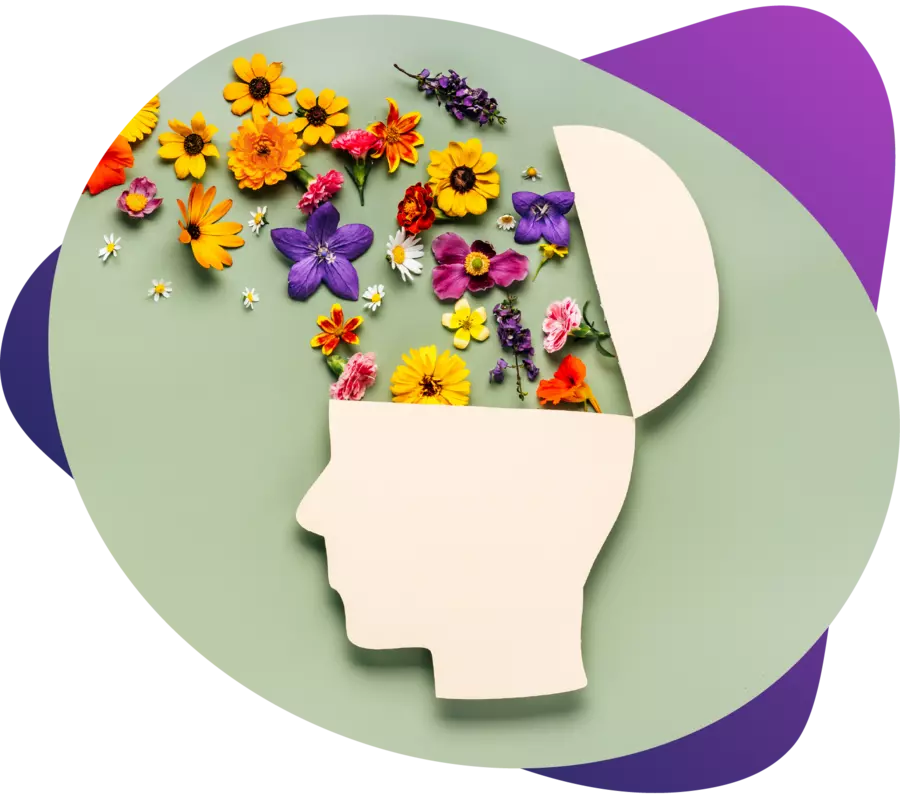
Menopause doesn’t involve only the reproductive system. It also causes changes in the brain. As estrogen levels decline, many women notice brain-related menopause symptoms like sleep problems, mood changes, and memory issues.
Scientists still have a lot to learn about how menopause affects the brain, but here’s what’s known so far. We’ll also share some tips that may help support brain health during this transition.
Estrogen is believed to help protect the brain. As estrogen levels decline, some age-related changes in the brain speed up. Here are some ways perimenopause and menopause can affect the brain.
Estrogen affects brain chemicals called neurotransmitters. These chemicals carry signals between nerve cells in the brain and help regulate thoughts and feelings. Important neurotransmitters include:

Dr. Mary Claire Haver spoke at the Livelong Women’s Health Summit in San Francisco in April. Dr. Haver is an OB-GYN specializing in menopause science and evidence-based midlife care. She is also the author of “The New Menopause” and “The New Perimenopause.”
“All of our neurotransmitters change. They’re directly influenced by our sex hormones, not just estrogen — progesterone and testosterone also have an effect on those levels,” she said about the menopause transition. “We see those changes mostly in the amygdala that controls our emotions and in the frontal cortex that controls our memory.”
Declining estrogen levels directly affect neurotransmitters, which may lead to mood disorders, brain fog, and other symptoms during the menopause transition.
Researchers have found that as estrogen levels decline, the brain has a harder time producing and using the energy it needs. This can affect cognitive function, including thinking, learning, and memory. Fortunately, these changes may improve for many women after menopause.
During the menopause transition, the volume of gray matter — tissue involved in processing information in the brain — seems to reduce. This change seems to be temporary, leveling out after menopause.
Scientists also believe that some areas of gray matter, including regions involved in memory, are restructured during this time. Researchers have noted that some of these changes are similar to those seen in the brain during pregnancy.
Research suggests that women’s brains lose some white matter — connections between brain cells and different parts of the brain — during the menopause transition.
After menopause, however, white matter appears to function more efficiently. Neurology researchers think the brain may reorganize itself to adapt to changing hormone levels over the course of menopause.
For women with certain genes, the risk for Alzheimer’s disease may increase during perimenopause as the protection estrogen provided declines.
One study found that women with the gene variant APOE-4, which is associated with a higher risk of Alzheimer’s, accumulated more beta-amyloid plaque during this time. Beta-amyloid plaques are protein deposits in the brain that are linked to Alzheimer’s.
If you have a family history of Alzheimer’s disease, talk to your doctor about your risk factors and whether genetic testing or other screening approaches may be appropriate for you.
The good news is that research suggests the brain can find ways to work around many of the changes that happen during menopause, although it’s a gradual process. Symptoms like hot flashes and mood swings may take a few years to improve. So what can you do in the meantime to support brain health?
Taking care of your heart and overall health can also support your brain health. People of any age can help protect brain health by following these tips from the National Institute on Aging:
Keeping a strong social support network, trying new activities, and challenging yourself in new ways can also enhance brain health.
Studies suggest that staying active and getting regular exercise is very helpful for brain health during perimenopause, menopause, and postmenopause.
Stacy Sims, an exercise physiologist and nutrition scientist who holds a doctorate, recently described how resistance training may help build muscle and support brain health.
“Individuals who were 60-plus, who lifted heavier loads, had changes to the prefrontal cortex [of the brain], which meant that they had more nerve conductivity. So the neurons were talking to each other, which is what we want to prevent dementia,” said Sims, who also spoke at the LiveLong Women’s Health Summit.
Sims also emphasized the importance of “lifting heavy.”
“So for lifting heavier loads — why is that?” she asked. “Because it’s a new motor pattern, and that new motor pattern is directly connected to connectivity in the brain. Those people who lifted lighter weights or body weight had changes of neural connectivity in other areas of the brain, but not the prefrontal cortex, which is what we really want.”
Estrogen seems to protect the brain as it ages. Scientists are still studying whether hormone replacement therapy (HRT) can provide that same protection.
So far, results are conflicting. Some studies suggest that hormone therapy may support brain health, while others have linked it to an increased dementia risk. The type of hormone therapy, a person’s age, and how soon treatment begins after menopause may all play a role.
More research is needed to better understand the potential risks and benefits of hormone therapy for brain health, including who may benefit most, when treatment should begin, and which types are safest and most effective.
 Continue with Facebook
 Continue with Email
Continue with Facebook
Continue with Email
Continue with Email
Continue with Facebook
Continue with Email
Become a member to get even more












Join the conversation
This is a member-feature!
Sign up for free to view article comments.
We'd love to hear from you! Please share your name and email to post and read comments.
You'll also get the latest articles directly to your inbox.