
Making sense of menopause, together.
- Connect with women who get it
- Get expert-reviewed resources
- Learn from real women's experiences
Powered By



 6 Reactions
·
Save
6 Reactions
·
Save
Feelings of anger and frustration during perimenopause can take a toll on personal relationships. Husbands, partners, and other loved ones often feel the brunt of it. Menopause anger occurs largely because of hormonal changes, but other factors can play a role in the emotional roller coaster many feel.
Sign up to view the results!
 Continue with Facebook
 Continue with Email
“My mood swings — I hate it. They have me mean in ways I don’t like at all. It’s even torn me and my husband apart,” a woman surveyed by ThisIsMenopause wrote. Another said, “My mood swings make it hard on my family.”
“I get angry really fast, and it’s annoying,” someone else shared.
One woman explained her emotional changes: “It takes you out of your element. You’re not yourself anymore, you’re always angry or cold or hot, and everything gets on your nerves.”
If you’re struggling with anger, you’re not alone. It’s very common to experience rage and irritability while going through perimenopause.
Often, menopause rage is expressed toward people who are around you the most, like spouses. Research has shown that distress in a relationship with your partner may be linked to an increase in menopausal symptoms.
Understanding the causes of menopausal mood swings can help you manage these symptoms and find ways to improve your relationships with your partner and loved ones. If symptoms of menopause are impacting your well-being, it’s important to talk to a provider who specializes in women’s health. Treatment options can help with mood regulation during perimenopause.
Here’s more about the causes of anger in perimenopause that may be affecting your relationship with your partner or loved ones.
Perimenopause generally starts in your mid-40s. At this time, estrogen levels start to fluctuate and fall, along with other hormonal changes. Perimenopause — the transition phase leading to menopause — typically lasts several years.
Menopause begins when menstrual periods have stopped for 12 months. After menopause, natural pregnancy is no longer possible.

Hormonal shifts during perimenopause are a key reason you may experience bad moods and anger, along with physical symptoms. The sex hormones estrogen and progesterone decrease in perimenopause. As this happens, serotonin levels also fall.
Serotonin is a hormone and neurotransmitter that’s produced in the brain and contributes to feelings of happiness and well-being. Low serotonin levels can cause stress, depressive symptoms, memory problems, irritability, and problems with body temperature. All of this can impact mood.
“I have some very intense hot flashes that disturb my sleeping patterns,” said one ThisIsMenopause survey respondent. “So I am getting less sleep. Then I also have mood swings that are affecting my interactions with friends and family.”
Lower estrogen and progesterone levels are also linked to higher cortisol levels. Cortisol is sometimes called the “stress hormone.” This can contribute to mood changes during perimenopause. As a consequence, you may be more likely to have a short temper and be prone to anger.
Perimenopause can cause sexual changes that impact your self-esteem and your relationship with your husband or partner. Hormonal changes, perimenopause symptoms, and family dynamics in midlife can all affect sexual desire and function.
A decrease in estrogen can cause vaginal dryness, thinning of vaginal membranes, and inflammation in the vagina. These symptoms can cause sex to be painful, which may make you reluctant to engage in sexual activity. This can create relationship problems if your partner is frustrated by your symptoms.
“I wish my husband could experience the symptoms, so he would really understand,” a survey respondent said. Another wrote, “I’ve tried to explain, but my husband doesn’t really get it.”
A lower sex drive is common for several reasons as menopause approaches. With aging and lower estrogen levels, blood flow to the genitals occurs more slowly, which can reduce sensitivity and arousal. Testosterone levels lower during the transition into menopause, which can lower libido as well.
“I wish my husband could experience the symptoms, so he would really understand.”
Sexual challenges may also occur due to family and social changes during midlife. Some of the issues that may arise include caring for older parents, the changing family dynamics of children leaving home or having adult children living in the home, and sexual dysfunction in a partner. Relationships can become stressed. Irritability and anger may flare up for either partner.
It’s common to feel like your family members or the men in your life don’t understand what you’re going through with perimenopause. This can lead to resentment and anger. For those who haven’t experienced the menopause transition, it can be difficult to fully grasp mood swings and other common symptoms, like hot flashes and night sweats or brain fog.
“It’s hard for my family to understand what I’m going through,” a woman told ThisIsMenopause.
Many feel they don’t get enough support from spouses and that loved ones don’t make an effort to understand perimenopause and menopause. “I wish my husband had more knowledge. He currently has none and, like most males, refuses to do his research,” a survey respondent said.
Another shared her challenges with family members: “My wish is that the men in my life could have gone through a course or simulation of what menopause is like for women.”
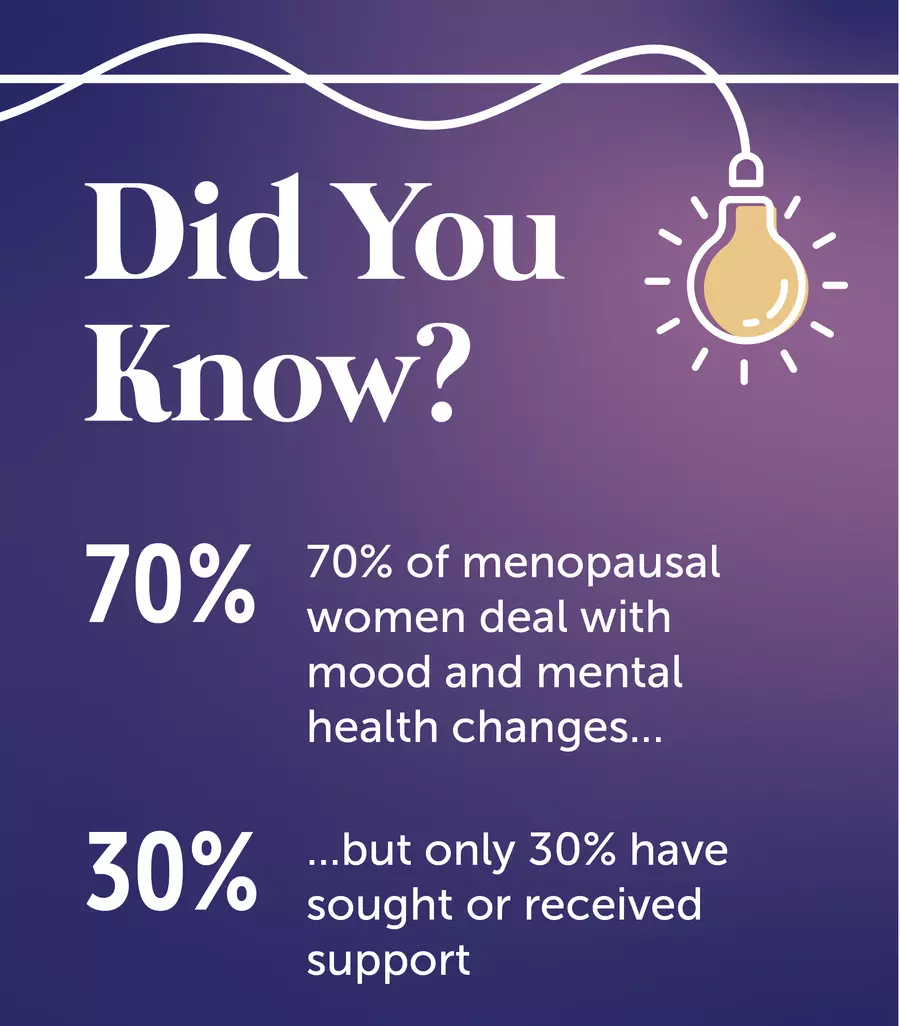 During menopause, it’s important to take steps to manage your mood swings and maintain healthy relationships with your partner and loved ones. The good news is that a study from The Menopause Society shows women tend to get considerably better at anger management as they age, beginning in midlife.
Self-care is important during perimenopause for both your physical and emotional well-being. If irritability and anger are impacting your close relationships, start by taking note of factors that may trigger you, such as poor sleep or feeling hungry.
Regular exercise and physical activity have been shown to help improve mood and sleep. Practices like yoga, meditation, and deep breathing exercises can also be effective in managing stress and anger.
It may be helpful to share information with your spouse or family about perimenopause so they are better informed about the real changes your body is going through and the symptoms you may be experiencing.
Resources specifically for partners can guide them in ways they can be supportive. Sometimes a spouse or loved one may want to be supportive, but they just don’t know how.
Here are some tips for supporting someone going through menopause that you can share with your loved ones or family members. Partners can take steps like:
It’s important to know that menopause-related symptoms can be medically treated. If physical or emotional symptoms of menopause are affecting your mental health or quality of life, it’s essential to talk to a provider experienced with treatments for perimenopause and menopause.
If perimenopause symptoms are significantly impacting your relationship with your spouse or loved ones, your doctor can give you a referral for mental health counseling. Couples counseling or family counseling may also be helpful. You can also talk to your healthcare team about current treatment options for perimenopause.
Continue with Facebook
Continue with Email
Continue with Facebook
Continue with Email
Become a member to get even more












Join the conversation
This is a member-feature!
Sign up for free to view article comments.
We'd love to hear from you! Please share your name and email to post and read comments.
You'll also get the latest articles directly to your inbox.