Making sense of menopause, together.

  •   Connect with women who get it
  •   Get expert-reviewed resources
  •   Learn from real women's experiences
Sign Up Log In
Powered By

Waking Up at 2 a.m.? 12 Ways To Sleep Better During Menopause

Medically reviewed by Ellen Byars, MSN, WHNP, MSCP · September 21, 2026

If you’ve ever felt like you’re tossing and turning while the rest of the world is asleep, you’re not alone. Chances are, you’ve already tried a thing or two.

Check out these top solutions for easing sleep issues during menopause. Cast your votes on which have helped you so far, or let us know about something we missed.

Way #1

Hormone Replacement Therapy

Hormonal shifts are a root cause of menopause-related insomnia. Changes to your estrogen and progesterone levels can lead to night sweats, hot… Read more

Hormonal shifts are a root cause of menopause-related insomnia. Changes to your estrogen and progesterone levels can lead to night sweats, hot flashes, and mood changes that prevent you from sleeping soundly. Hormone replacement therapy (HRT) includes estrogen and, if you have a uterus, progesterone, which has a sedating side effect. Both can help curb those 2 a.m. wake-ups and improve sleep quality.

Tell us more!
All updates must be accompanied by text or a picture.

Progesterone worked til anxiety started up. The progesterone still keeps ne relaxed enough to stay in the bed

Way #2

Melatonin

Melatonin is naturally produced by your body, and its job is to signal that it’s time to sleep. During perimenopause, your melatonin levels may… Read more

Melatonin is naturally produced by your body, and its job is to signal that it’s time to sleep. During perimenopause, your melatonin levels may decrease, making it harder to get the shut-eye that you need. Taking a low dose of melatonin before bed (studies show between 0.3 and 5 milligrams) may help improve your sleep quality so you can get some rest.

Tell us more!
All updates must be accompanied by text or a picture.

tried both 5mg and 10mg and it would help in the beginning, but then there was noticeably no change and I would sometimes wake up with even more energy at 3am

Way #3

Magnesium Glycinate

Magnesium is a mineral involved in hundreds of bodily processes, including nervous system regulation. The glycinate form is well-absorbed, and… Read more

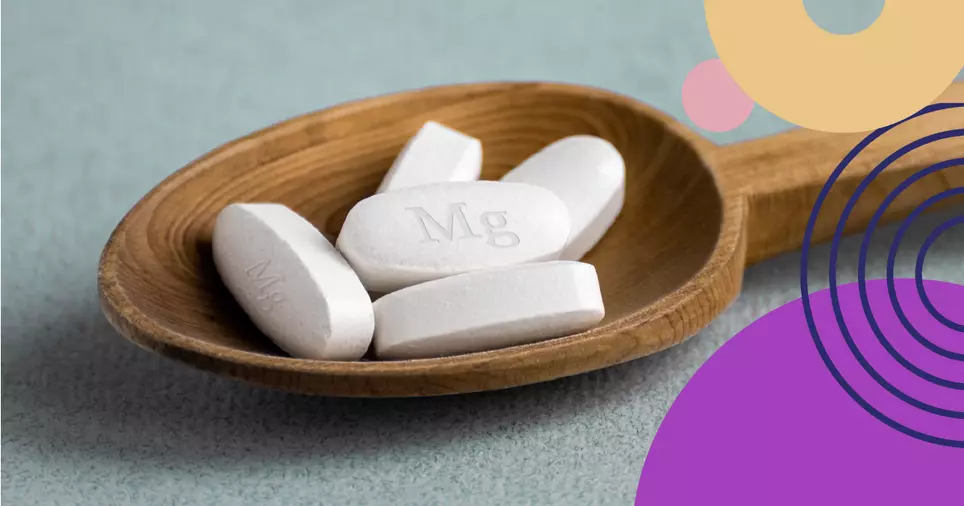
Magnesium is a mineral involved in hundreds of bodily processes, including nervous system regulation. The glycinate form is well-absorbed, and some people find it has a calming effect that helps them sleep better.

Tell us more!
All updates must be accompanied by text or a picture.

Magnesium Threonate worked better

Way #4

Cooler Bedroom Temperatures

Your body temperature naturally drops as part of the sleep process, but hot flashes and night sweats can disrupt this, keeping you awake and… Read more

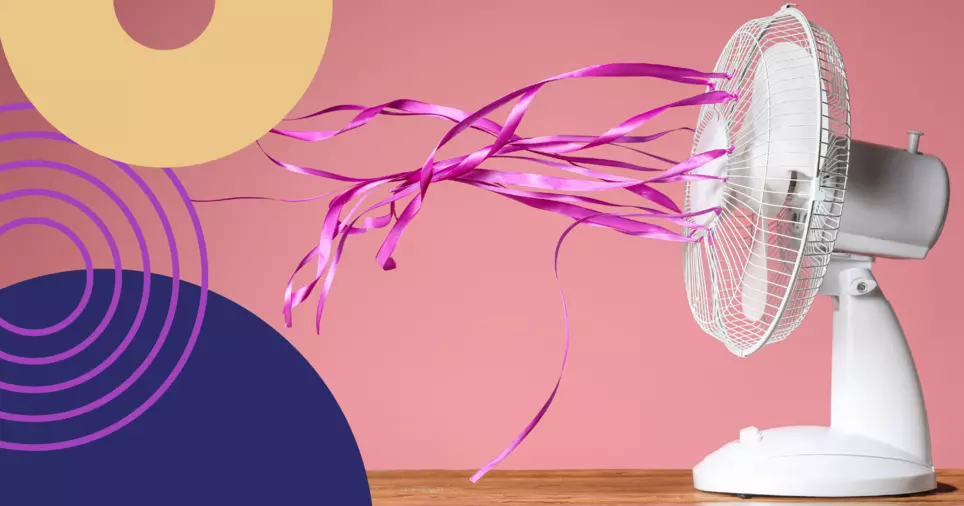
Your body temperature naturally drops as part of the sleep process, but hot flashes and night sweats can disrupt this, keeping you awake and frustrated. Maintaining cooler temps in your bedroom at night may help support the temperature drop your body needs to fall asleep and stay that way.

Tell us more!
All updates must be accompanied by text or a picture.

I am working with room temperature. At first I was not bothered much with hot flashes but depending on what I might eat at dinner, I am then hot later

Way #5

Cognitive Behavioral Therapy for Insomnia

Cognitive behavioral therapy for insomnia (CBT-I) is a structured, talk-based approach that helps identify the thoughts and habits disrupting… Read more

Cognitive behavioral therapy for insomnia (CBT-I) is a structured, talk-based approach that helps identify the thoughts and habits disrupting your sleep and swap them for ones that work. It’s one of the most well-researched tools available for navigating menopausal sleep struggles. You can work with a mental health provider, or you can try CBT-I apps available for your phone.

Tell us more!
All updates must be accompanied by text or a picture.
Way #6

Consistent Sleep and Wake Times

Your body’s internal clock thrives on regularity. Going to bed and waking at the same time every day reinforces the sleep-wake cycle. Sticking to… Read more

Your body’s internal clock thrives on regularity. Going to bed and waking at the same time every day reinforces the sleep-wake cycle. Sticking to a regular schedule can make it easier to fall and stay asleep.

Tell us more!
All updates must be accompanied by text or a picture.

I have a four year old *yes almost 40 getting a little one on the pre-school bus!🤣❤️*
So I go to bed every night same time up every morning same time and ive done that over 2 years now and I still am… read more

Way #7

Avoiding Alcohol and Caffeine

The stress of insomnia may cause you to reach for a cup of coffee to stay alert or a nightcap in the evenings to relax. But late-day caffeine can… Read more

The stress of insomnia may cause you to reach for a cup of coffee to stay alert or a nightcap in the evenings to relax. But late-day caffeine can keep you up at night — and while alcohol may help you drift off, it actually makes it harder to stay asleep. Sleep may improve if you limit caffeine or alcohol, especially later in the day.

Tell us more!
All updates must be accompanied by text or a picture.

I havent drank in 5 years and it didnt help, I went 2 months w out soda or coffee and it didnt help. Im back to drinking coffee!

Way #8

Low-Dose Antidepressants

Certain antidepressants, even at doses below those used for depression, may help reduce hot flashes and night sweats, contributing to better… Read more

Certain antidepressants, even at doses below those used for depression, may help reduce hot flashes and night sweats, contributing to better sleep.

Tell us more!
All updates must be accompanied by text or a picture.

I was on them before my hysterectomy

Way #9

Practicing Mindfulness

Mindfulness practices can reduce symptoms like anxiety and stress, and they may also help improve your sleep. You may want to try meditating… Read more

Mindfulness practices can reduce symptoms like anxiety and stress, and they may also help improve your sleep. You may want to try meditating, doing yoga poses, or practicing deep breathing exercises.

Tell us more!
All updates must be accompanied by text or a picture.
Way #10

Bed Cooling Systems

Cooling mattress toppers, bed cooling systems, or cooling sheets may help with night sweats. These may be a better option than changing the… Read more

Cooling mattress toppers, bed cooling systems, or cooling sheets may help with night sweats. These may be a better option than changing the thermostat, especially if you don’t want to freeze the rest of your family. Low-cost options are available, but you can also splurge on a high-tech system.

Tell us more!
All updates must be accompanied by text or a picture.

I got a sleep number bed that cools. It helps, but not 100% but I can't sleep because I get hot and my body aches. So I solved 1 of my sleep problems. Now I need to figure out the joint pain.

Way #11

Build an Evening Wind-Down Routine

Your body needs a signal that the day is ending, and scrolling in bed is not it. Allow a consistent 30 to 60 minutes for the same low-key… Read more

Your body needs a signal that the day is ending, and scrolling in bed is not it. Allow a consistent 30 to 60 minutes for the same low-key activities — dimming the lights, putting your phone down, taking a warm shower, reading something undemanding. This helps cue the drop in alertness that comes before sleep.

It works best paired with a consistent bedtime.

Tell us more!
All updates must be accompanied by text or a picture.
Way #12

Switch to Moisture-Wicking Pajamas

Cotton feels breathable, but it holds moisture against your skin, so you wake up damp and cold once a night sweat passes. Moisture-wicking… Read more

Cotton feels breathable, but it holds moisture against your skin, so you wake up damp and cold once a night sweat passes. Moisture-wicking sleepwear made for hot sleepers pulls sweat away, which can mean fewer full wake-ups and no 3 a.m. change of clothes. The same logic applies to your sheets.

Tell us more!
All updates must be accompanied by text or a picture.

What Helps You Sleep Better?

What did we miss? We'd love to hear what helps you sleep better. Share your best tips for getting better sleep below.

All updates must be accompanied by text or a picture.
A ThisIsMenopause Member

Not much dose do to before this i was diagnosed with insomnia perimenopause just makes it worse now 10 year ago I had a nervous brake down and the put me on ptsd med witch made me pass out as 10 min… read more

We'd love to hear from you! Please share your name and email to post and read comments.

You'll also get the latest articles directly to your inbox.

Subscriber Photo Subscriber Photo Subscriber Photo
14,494 members
This site is protected by reCAPTCHA and the Google Privacy Policy and Terms of Service.
Privacy Policy • Terms of Use
Continue with Facebook Continue with Google
By joining, you accept our Terms of Use, and acknowledge our collection, sharing, and use of your data in accordance with our Health Data and Privacy policies.
Already a member? Log In

Thank you for subscribing!

Become a member to get even more

See answer