
Making sense of menopause, together.
- Connect with women who get it
- Get expert-reviewed resources
- Learn from real women's experiences
Powered By



 7 Reactions
·
Save
7 Reactions
·
Save
Many women think of menopause as a stage of life with hot flashes, mood changes, and irregular periods. However, menopause is actually a single point in time. Menopause itself ends, but some symptoms can continue long afterward.
Keep reading to learn how long menopause lasts and which symptoms may continue.
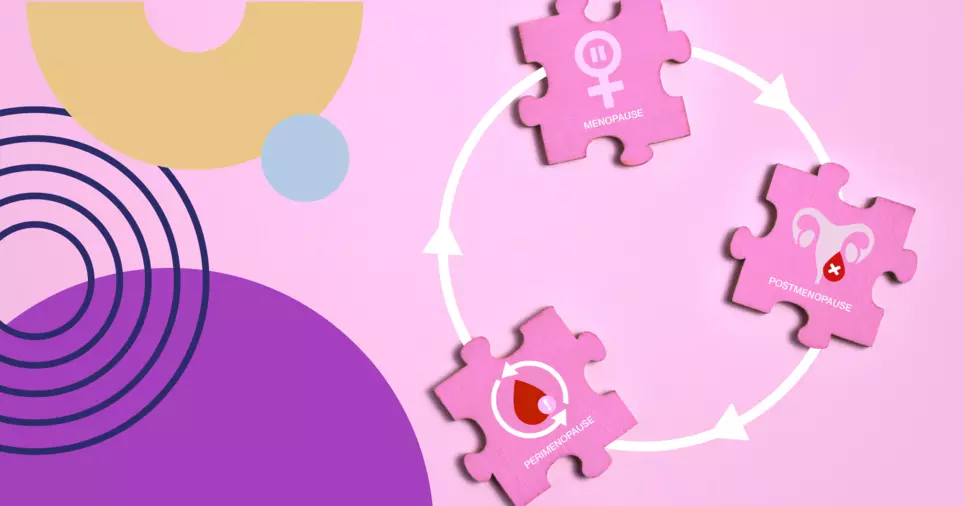
Menopause is the point in time when a woman has gone 12 months in a row without having a menstrual period.
The months and years before menopause are called perimenopause, or the menopause transition. Perimenopause can last 8 to 10 years.
During this time, the ovaries release eggs less often. They also produce less estrogen and progesterone over time. These hormone changes cause many symptoms that people associate with menopause.
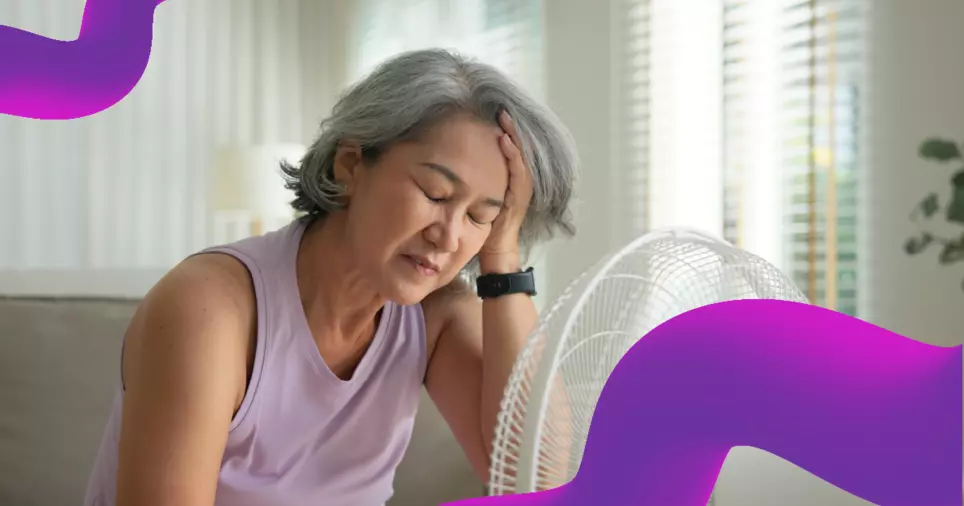
The most commonly reported symptoms include hot flashes, night sweats, mood swings, brain fog, irritability, insomnia (trouble sleeping), and vaginal dryness. Not everyone in perimenopause has these symptoms. Studies have found more than 45 different symptoms during the menopause transition.
After 12 months in a row without a period, perimenopause ends, and menopause occurs. Some women experience early menopause or premature menopause. Early menopause happens before age 45, while premature menopause happens at age 40 or younger. The average age for menopause in the United States is 52.
Menopause can happen naturally as part of the aging process, or it can be caused by surgery or certain medical procedures, such as chemotherapy or radiation. Just as puberty marks the start of the reproductive years, menopause marks their end.
As soon as menopause occurs, postmenopause begins. This phase lasts for the rest of a woman’s life.
During postmenopause, estrogen and progesterone levels stay low, and women no longer have periods. Some menopause symptoms may get milder or go away during postmenopause. But others can continue or get worse without treatment.
Once you’re postmenopausal, you shouldn’t have any vaginal bleeding. Bleeding after menopause can be a sign of a serious health problem, including endometrial cancer, which starts in the lining of the womb. Contact your healthcare provider right away if you notice any bleeding.
Menopause symptoms can continue in different ways for different people.
For many women, hot flashes, night sweats, mood changes, and sleep disturbances become less frequent and less severe in postmenopause. Other symptoms may be more likely to continue.
Symptoms that may continue into postmenopause include:
Many of these symptoms are related to low estrogen levels, and some can get worse without treatment.
If menopause symptoms are affecting your quality of life, talk to your OB-GYN or another menopause provider about your treatment options.
For vaginal dryness or pain during sex, your provider may recommend vaginal lubricants or topical creams. For anxiety and depression, they may refer you to a mental health provider for talk therapy or antidepressants.
Some women find that menopause hormone therapy, also known as hormone replacement therapy (HRT), can help relieve some symptoms in perimenopause, menopause, and postmenopause. The right dose and type of medication to treat your symptoms may change over time.
Ask your healthcare provider what’s right for you.
The effects of lower hormone levels can also increase the risk of other health issues in postmenopause, including osteoporosis and cardiovascular disease.
Preventive healthcare is important for maintaining bone density and protecting your heart health. Regular exercise, including strength training, and a healthy lifestyle can also support your long-term health.
Your doctor may recommend eating a balanced diet, staying physically active, avoiding smoking, and keeping up with recommended health screenings. These strategies can all help reduce these risks and support healthy aging.
Although menopause itself is a single moment in time, the transition can last for years, and so can some symptoms. Many symptoms improve with time, and treatments are available for those that are bothersome or affect your quality of life.
Knowing which changes are normal and when to get medical advice can help you feel more confident during perimenopause, menopause, and postmenopause. That way, you can make informed decisions about your long-term health.
 Continue with Facebook
 Continue with Email
Continue with Facebook
Continue with Email
Continue with Email
Continue with Facebook
Continue with Email
Become a member to get even more








Join the conversation
This is a member-feature!
Sign up for free to view article comments.
We'd love to hear from you! Please share your name and email to post and read comments.
You'll also get the latest articles directly to your inbox.