
Making sense of menopause, together.
- Connect with women who get it
- Get expert-reviewed resources
- Learn from real women's experiences
Powered By



 3 Reactions
·
Save
3 Reactions
·
Save
Did you have heavy, painful periods before menopause? Benign growths called uterine fibroids (leiomyomas) could have played a role.
Fortunately, most fibroids shrink after menopause and aren’t a problem once you’re period-free. However, there are exceptions to this. Keep reading to learn what fibroids are and how they can be treated.
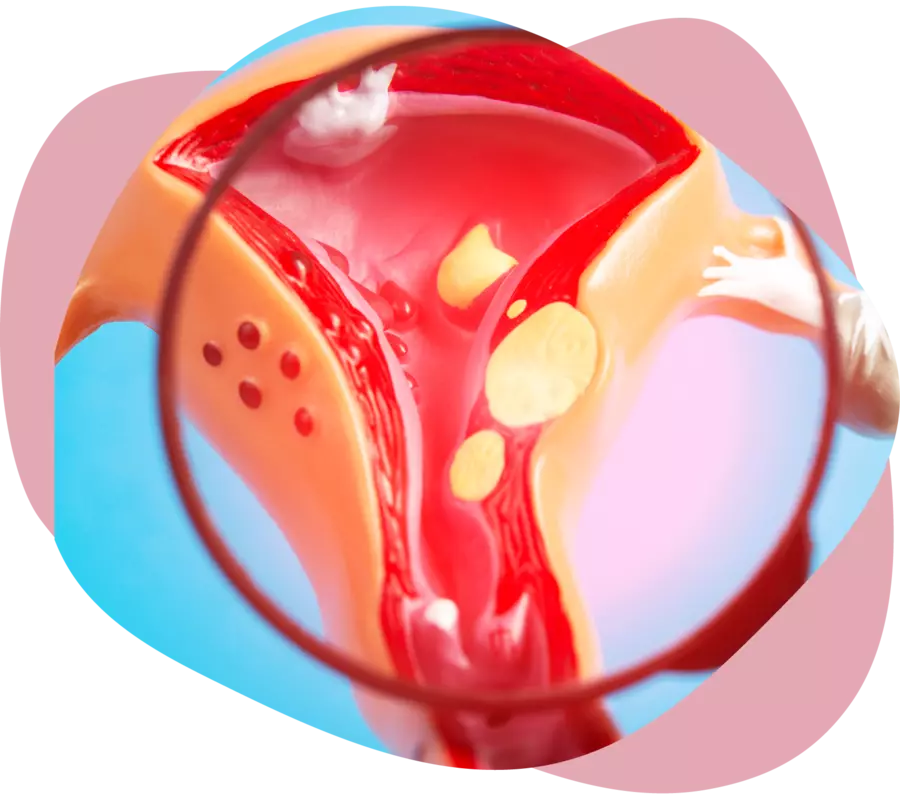 What Are Fibroids?
Fibroids are noncancerous tumors that grow inside or outside the uterus. Up to 80 percent of people with a uterus may develop fibroids, usually between the age of 30 and 50.
Fibroids often go unnoticed when they’re small, but some can grow about as big as a watermelon. Some fibroids grow in groups or clusters, while others grow in isolation.
Researchers have defined four types of fibroids based on where and how they attach to the uterus:
Because fibroids don’t always cause symptoms, it’s possible to have fibroids and not know it. But about 30 percent of people with fibroids experience symptoms severe enough to interfere with their quality of life.
According to a 2025 article published in the International Journal of Gynecology and Obstetrics, abnormal uterine bleeding (AUB) is the most common symptom of fibroids.
AUB is an umbrella term that describes anything unusual about your menstrual cycle, including irregular periods or bleeding between periods. Most people with fibroid-related AUB say they bleed longer and more heavily than usual.
Menstrual irregularity is common in perimenopause and doesn’t always mean something’s wrong with your uterus. You may be going through a normal transition. Only a healthcare provider can determine if a change in your bleeding is caused by fibroids.
Talk to a doctor immediately if you experience vaginal bleeding after menopause, as it could be a sign of cancer.
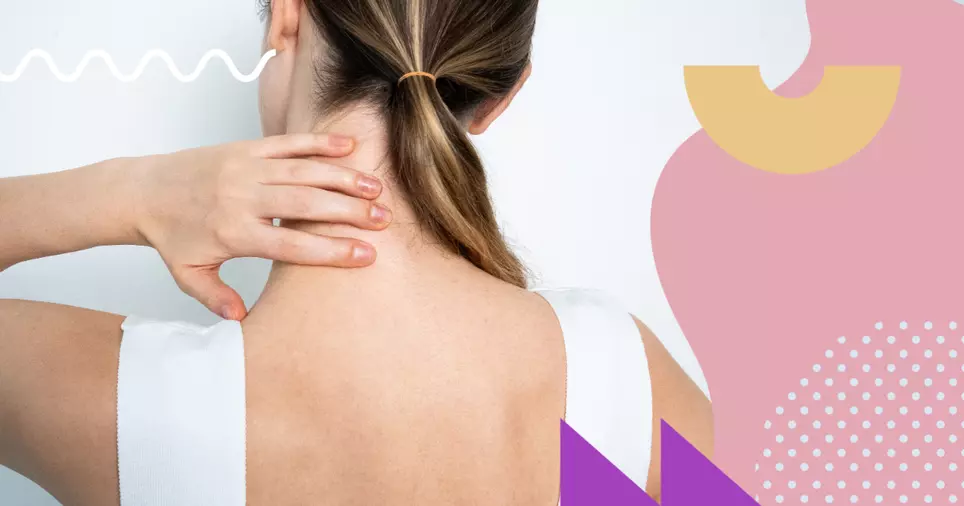
In some cases, fibroids can cause pain, discomfort, or a feeling of pressure or fullness. People have reported low back pain, pelvic pressure, or abdominal bloating. Sometimes fibroids also cause painful sex.
If a fibroid is located on the front of the uterus, it can put pressure on the bladder. This may cause you to feel like you have to urinate often.
In rare cases, the fibroid can also pinch your bladder and make it difficult to urinate. Kidney problems can also happen if the fibroid prevents urine from reaching your bladder.
Fibroids located on the back of the uterus can put pressure on the rectum, causing constipation.
Getting pregnant during perimenopause can be tough, and fibroids may lower your chances even further. Researchers don’t know exactly how fibroids contribute to infertility, but they have several theories.
For example, fibroids may cause blockages in the fallopian tubes, making it difficult for sperm to reach an egg or for a fertilized egg to reach the uterus. Normally, small muscle contractions help move the sperm and egg along, but these contractions may also be disrupted by fibroids.
Fibroids may also interrupt communication between each part of the reproductive system or trigger inflammation. Both scenarios could make it difficult for an embryo to attach to the inner wall of the uterus.
Fibroids may change the environment inside the uterus in ways that can make it harder to get or stay pregnant. Researchers are studying whether this includes changes to the natural bacteria in the uterus, but more research is needed to fully understand the connection.
Other possible fibroid symptoms include an enlarged abdomen or anemia.
Fibroids can cause significant quality of life issues for some people. If your symptoms interfere with daily life, talk to your doctor about fibroids.
A variety of imaging tests can be used to diagnose fibroids. Once your doctor knows the size, location, and number of fibroids, they can recommend next steps and help you feel better.
Researchers haven’t pinpointed the exact cause of fibroids, but they might develop because of gene mutations, hormones, and certain substances that help the body grow new tissues.
The fact that fibroids tend to shrink after menopause suggests that estrogen could play a role in their formation. Estrogen levels drop significantly after menopause, and the fibroids might get smaller in response to this drop.
The risk of developing new fibroids also decreases after menopause. However, if you take hormone replacement therapy, your fibroids may grow after menopause.
As your body transitions to menopause, estrogen levels fluctuate considerably. Low estrogen levels can cause:
Some people replace their lost estrogen through hormone therapy to ease these symptoms.
Fibroids can sometimes grow a little when you take hormone therapy. But this doesn’t happen to everyone, and the effect can depend on the type and dose of hormones you use and your own body.
If you have fibroids and start hormone therapy, your clinician may suggest watching your symptoms and checking the fibroids if bleeding or pelvic pressure shows up or gets worse.
Some factors may increase your risk of developing fibroids.
Fibroids aren’t usually treated unless they’re causing symptoms.
When treatment is necessary, your healthcare provider will consider the size, number, location, and type of fibroid to determine the best course of action. You’ll also need to talk about your desire to become pregnant in the future.
Here are some of the fibroid treatments you may discuss.
Medications called gonadotropin-releasing hormone (GnRH) agonists can shrink fibroids. Unfortunately, they’re not safe for long-term use, and the fibroids can grow again once you stop taking the medication. Your healthcare provider might suggest a GnRH agonist before surgery.
Additionally, GnRH antagonists may be prescribed for people with fibroids who haven’t gone through menopause.
Other medications can help manage the symptoms of uterine fibroids, including:
There’s also some evidence that vitamin D supplements may reduce fibroids.
Some fibroids can be surgically removed. This process is called a myomectomy. Surgeons can choose from several myomectomy techniques to reduce scarring, but the best technique depends on the size of the fibroid, where it’s located, and how many there are.
If you’re not planning to become pregnant in the future, you can also choose to have a hysterectomy. This removes your uterus and all the fibroids attached to it.
Other surgical procedures focus on shrinking rather than removing the fibroids. The surgeon starves the fibroid of its blood supply or destroys the fibroid tissue.
 Continue with Facebook
 Continue with Email
Continue with Facebook
Continue with Email
Continue with Email
Continue with Facebook
Continue with Email
Become a member to get even more








Join the conversation
This is a member-feature!
Sign up for free to view article comments.
We'd love to hear from you! Please share your name and email to post and read comments.
You'll also get the latest articles directly to your inbox.