
Making sense of menopause, together.
- Connect with women who get it
- Get expert-reviewed resources
- Learn from real women's experiences
Powered By


 2 Reactions
·
Save
2 Reactions
·
Save
If you’ve had a total hysterectomy (surgery to remove the uterus and cervix), you may wonder how you’ll know when perimenopause starts. Irregular periods are often one of the first signs of the menopause transition, but after this type of surgery, you won’t have that clue.
Most women who have a hysterectomy but keep their ovaries still go through perimenopause, much like those who still have a uterus. The same hormone changes occur, and many of the same symptoms can appear. However, without periods, the transition can be harder to recognize.
Understanding what type of hysterectomy you had and how it affects your hormones can help you make sense of your symptoms and know when to talk with your doctor.
Not all hysterectomies are the same. The term refers to surgery to remove the uterus, but other organs may or may not be removed at the same time. This can make it harder to know what to expect afterward.
The main types of hysterectomies include:
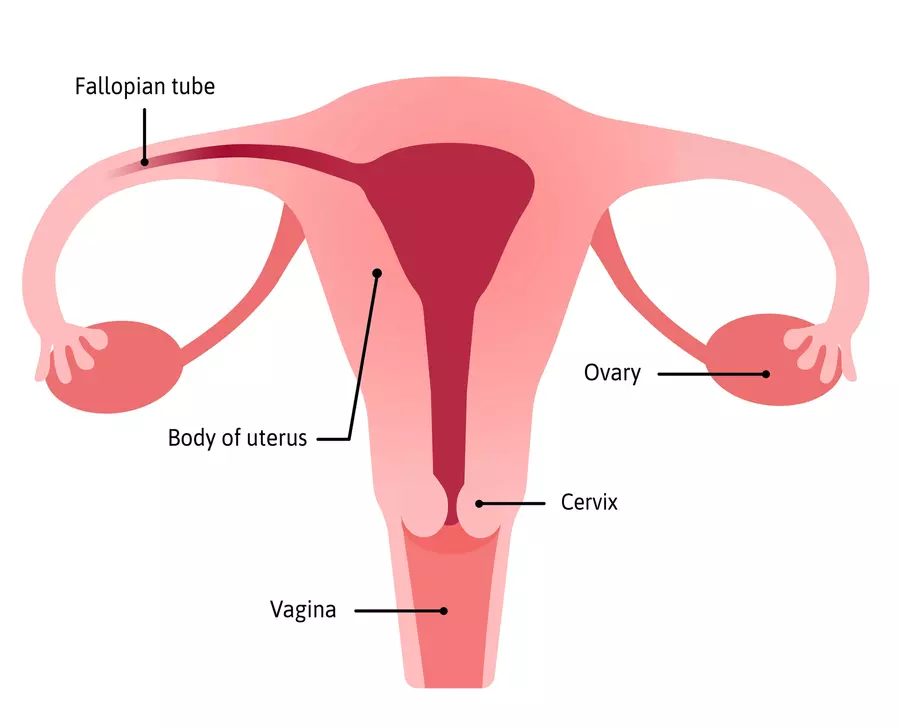
If your ovaries were left in place, they can still produce hormones such as estrogen and progesterone. That means you usually will not go into menopause right after surgery. Instead, you’ll likely go through perimenopause naturally, as you would have without a hysterectomy.
You might not remember the exact details of your surgery, especially if it happened years ago. If you’re unsure, your doctor or medical records can confirm which organs were removed.
The answer: sometimes, but usually only slightly.
Your ovaries are the main source of estrogen and progesterone before menopause. If they remain in place, they usually continue working after a hysterectomy. That means hormone levels often stay close to what they were before surgery.
However, research suggests that menopause may happen a little earlier — about four years sooner on average — after a hysterectomy, even when the ovaries were preserved. Researchers think this may be linked to changes in blood flow to the ovaries after surgery.
Still, everyone is different. Some women reach menopause at the same age they would have if they hadn’t had surgery.
Perimenopause is the transition period leading up to menopause. During perimenopause, the ovaries gradually produce less estrogen. Perimenopause lasts about four years, on average, but can last up to eight years.
Menopause is officially reached when you have gone 12 months without a menstrual period. If you’ve had a hysterectomy, that definition doesn’t apply, so doctors rely more on symptoms and, sometimes, hormone testing.
The following are common signs of perimenopause to watch for.
Sudden feelings of heat, flushing, or sweating are among the most recognizable symptoms. Night sweats can disrupt sleep and lead to fatigue during the day.
“The thing that bothers me the most through perimenopause is hot flashes during the night and waking up,” one woman told ThisIsMenopause. “I had a partial hysterectomy about 15 years ago, so it took me a long time to figure out what’s going on.”
Hormone fluctuations can affect brain chemistry. You may notice irritability, anxiety, mood swings, or trouble concentrating.
These changes can feel unpredictable, especially along with stress, sleep problems, or other life changes.
Difficulty falling asleep or staying asleep is very common during perimenopause. Night sweats, anxiety, or hormonal shifts can all contribute.
Poor sleep can lead to:
Lower estrogen levels can cause the vaginal tissues to become thinner and less lubricated. This may lead to vaginal dryness and burning, pain during sex, or frequent urinary symptoms.
Together, these vaginal and urinary symptoms are called genitourinary syndrome of menopause (GSM). GSM can develop gradually and is sometimes mistaken for infections or other conditions.
Many women notice shifts in libido during perimenopause. This may be related to:
Some women find they have less interest in sex, while others notice little change.
Hormonal shifts can also affect metabolism and skin health. You might notice:
“Full hysterectomy caused me to have menopause — night sweats, hot flashes, dry vagina, lack of libido, weight gain, thinning skin, no collagen,” one woman shared.
The main symptom you won’t have is irregular periods, which are often the earliest sign of perimenopause in women who haven’t had a hysterectomy.
Without that signal, the transition can feel less obvious. You may not realize you’re in perimenopause until symptoms become more noticeable. This delayed recognition is very common and can be frustrating, but it doesn’t mean anything is wrong.
Blood tests can offer clues about whether you’re in perimenopause, but they usually can’t confirm it on their own. In some cases, doctors may check levels of hormones such as follicle-stimulating hormone (FSH) and estradiol.
High FSH levels can suggest the ovaries are producing less estrogen. However, hormone levels can fluctuate widely during perimenopause, so a single test may not give a clear answer.
For this reason, your healthcare provider may rely more on your age, symptoms, medical history, and surgical history to determine whether you’re in the menopause transition.
Hormone testing is usually most helpful when symptoms are unclear or when early menopause is suspected.
Treatment depends on your symptoms, health history, and personal preferences. The goal is to improve quality of life and help manage bothersome symptoms.
Hormone replacement therapy (HRT) replaces estrogen and, in some cases, progesterone to help relieve symptoms such as:
 If you no longer have a uterus, you may be able to take estrogen alone, which can simplify treatment.
“A lot of my friends have elected to have a hysterectomy and start hormone patches,” one woman said. “I wish I had done that as well.”
Talk with your doctor about the potential risks and benefits of hormone therapy for you.
Some medications can help manage symptoms without hormones. These may be an option if hormone therapy isn’t recommended or preferred and are often used to reduce hot flashes or improve sleep.
Small daily habits can make a meaningful difference. Helpful strategies include:
These changes won’t stop perimenopause, but they may help make symptoms easier to manage.
Even after a hysterectomy, routine healthcare is still important in midlife.
 Continue with Facebook
 Continue with Email
Continue with Facebook
Continue with Email
Continue with Email
Continue with Facebook
Continue with Email
Become a member to get even more












Join the conversation
This is a member-feature!
Sign up for free to view article comments.
We'd love to hear from you! Please share your name and email to post and read comments.
You'll also get the latest articles directly to your inbox.