
Making sense of menopause, together.
- Connect with women who get it
- Get expert-reviewed resources
- Learn from real women's experiences
Powered By



 Medically reviewed by
Danielle Grimm, MPH, MSN, CNP, WHNP-BC, MSCP
·
Written by
Sherri Gordon, CLC
Mood swings, difficulty sleeping, and changes in sex drive are common in menopause. And, while there are prescription medications to help address these symptoms, some women have been exploring whether maca root can address these concerns as well.
Maca is a root vegetable that grows naturally in the Andes Mountains in Peru. It’s gained a lot of attention for its potential to ease menopause symptoms, particularly low libido. But just how strong is the evidence behind these claims, and is it truly safe to take?
Here’s what you need to know about maca root supplements, including the benefits and risks of taking them.
Sign up to view the results!
 Continue with Facebook
 Continue with Email
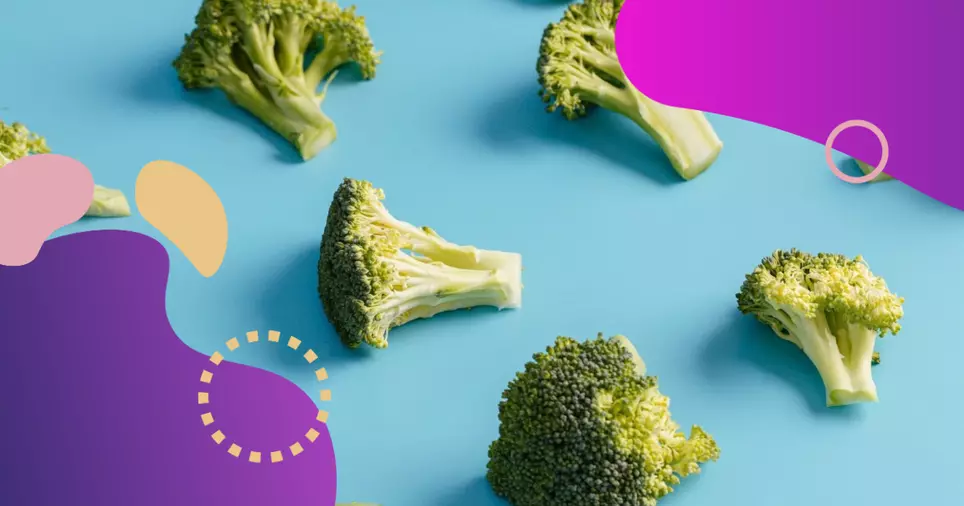
Maca is in the same plant family as turnips, cabbage, mustard, and broccoli, although it contains different plant compounds. There are also two forms of maca: Lepidium meyenii is the wild form, and Lepidium peruvianum is the cultivated (or farmed) form.
Some researchers consider maca an adaptogen, or a plant that helps your body handle stress. Adaptogens regulate systems to prevent over-functioning or under-functioning. This is why some are interested in how adaptogens can help with menopausal symptoms, which are a result of fluctuating hormone levels.
That said, just because maca might be an adaptogen doesn’t mean it automatically balances hormones or improves sexual desire. There is a great deal of research that still needs to be done before claims like that can be made.
There is limited research on maca root and menopause, and the research that has been done has found mixed results. Some research suggests that maca root may be helpful in addressing symptoms like reduced sex drive, while other studies show it has little to no impact.
A 2023 review of three studies found two of the three showed an impact of maca on sexual function in menopausal women. The first study found a connection between increased sexual desire and maca use while the second study found improvement in sexual arousal.
The researchers concluded that maca may have an impact on sexual dysfunction in healthy menopausal women. But more research is needed to confirm this association between the two.
Meanwhile, a 2024 review of several studies found that maca might help ease menopause symptoms and improve physical performance. As for sexual dysfunction or loss of sex drive, the results of the studies were mixed.
Overall, researchers noted that additional studies are needed to understand how maca works and how it might be used in the future to support health and well-being.
There is limited research on the potential risks and side effects of taking maca. One review found that most people tolerate maca well. But this tolerance could be influenced by individual factors as well as how much maca they take and for how long.
For those who do experience side effects, maca might cause stomach upset, headache, and irritability. Another study found maca could potentially cause:
If you decide to take a maca supplement or use maca powder to make tea, keep track of any new symptoms. This can be helpful to discuss with your doctor when determining whether it’s safe or helpful for you.
The National Center for Complementary and Integrative Health states supplements and herbs for menopause haven’t been shown to relieve symptoms. These dietary products also have the potential to cause side effects and interfere with your other medications.
Talk to your providers before taking something new. Just because a maca supplement may come from a naturally growing plant, it doesn’t automatically mean it’s safe. It’s also difficult to know which type of maca you’re getting or if the product has other ingredients in it.
Keep in mind, too, that the U.S. Food and Drug Administration (FDA) doesn’t regulate supplements or confirm their safety or effectiveness. So, it’s possible that dietary products may be sold that don’t actually deliver on their promises. If you decide to take a supplement, do so with caution.
Discuss everything with your doctor first. You can talk about whether maca is safe or appropriate for your symptoms, if there are any interactions to consider, and whether they have any product recommendations.
Continue with Facebook
Continue with Email
Continue with Facebook
Continue with Email
Become a member to get even more










Join the conversation
This is a member-feature!
Sign up for free to view article comments.
We'd love to hear from you! Please share your name and email to post and read comments.
You'll also get the latest articles directly to your inbox.