
Making sense of menopause, together.
- Connect with women who get it
- Get expert-reviewed resources
- Learn from real women's experiences
Powered By


 2 Reactions
·
Save
2 Reactions
·
Save
In perimenopause — the time leading up to menopause — symptoms can come on suddenly and stop you in your tracks at work. Managing symptoms in the workplace can be challenging. Everyone is affected differently by perimenopause, and some symptoms may be unexpected.
“I wish I had known about the brain fog,” one woman said in a survey conducted by ThisIsMenopause.
For many, the combination of symptoms is difficult to get a handle on. “I am more anxious and irritable. I cannot seem to regulate my temperature,” wrote another woman. Another shared, “Hot flashes, brain fog, not being able to sleep or stay asleep — it affects my work life and home life.”
Perimenopause is a natural process in the body that occurs in the years before you have your final menstrual period. Once you’ve gone 12 months without a period, you’re officially in menopause, which generally occurs between 45 and 55 years of age.
During perimenopause, your body goes through hormonal changes as the ovaries produce less estrogen and progesterone. These hormones play key roles in reproduction and many other body functions.
Hormonal changes in perimenopause can cause a range of physical, vaginal, cognitive, and mood symptoms that usually get better once you reach menopause. During perimenopause, you may experience many symptoms or just a few, including:
It’s no surprise that any of these symptoms could make work difficult. Here are some tips for coping with menopause at work.
Hot flashes are a common symptom of perimenopause and can come on suddenly. They can cause excessive sweating, including night sweats. Hot flashes at work can make it hard to concentrate on your tasks and responsibilities.
Stay cool at work by dressing in lightweight clothes and layers that you can adjust. Drink plenty of water and stay hydrated. You can also keep a small fan at your desk to help cool down.
When perimenopause causes brain fog and memory problems, work can become more difficult. One woman said, “I wish I knew that my memory would go to crap. The constant misplacing things and forgetting what I did with them is frustrating.”
It helps to have a system for organizing your work tasks. Make lists to help you remember what you need to do. Set reminders on your phone or computer. If possible, break up larger projects into smaller parts that feel more manageable.
With perimenopause, it can help to have at least one person at work you feel comfortable talking to for support. That way, you can feel less alone with your symptoms. There are likely other colleagues who are in your shoes — or have been — that you can turn to for extra support.
Menopause may feel like a taboo subject to bring up with your supervisor or human resources manager. But it can be helpful to let them know what you are going through and what kind of help you may need with managing menopause in the workplace.
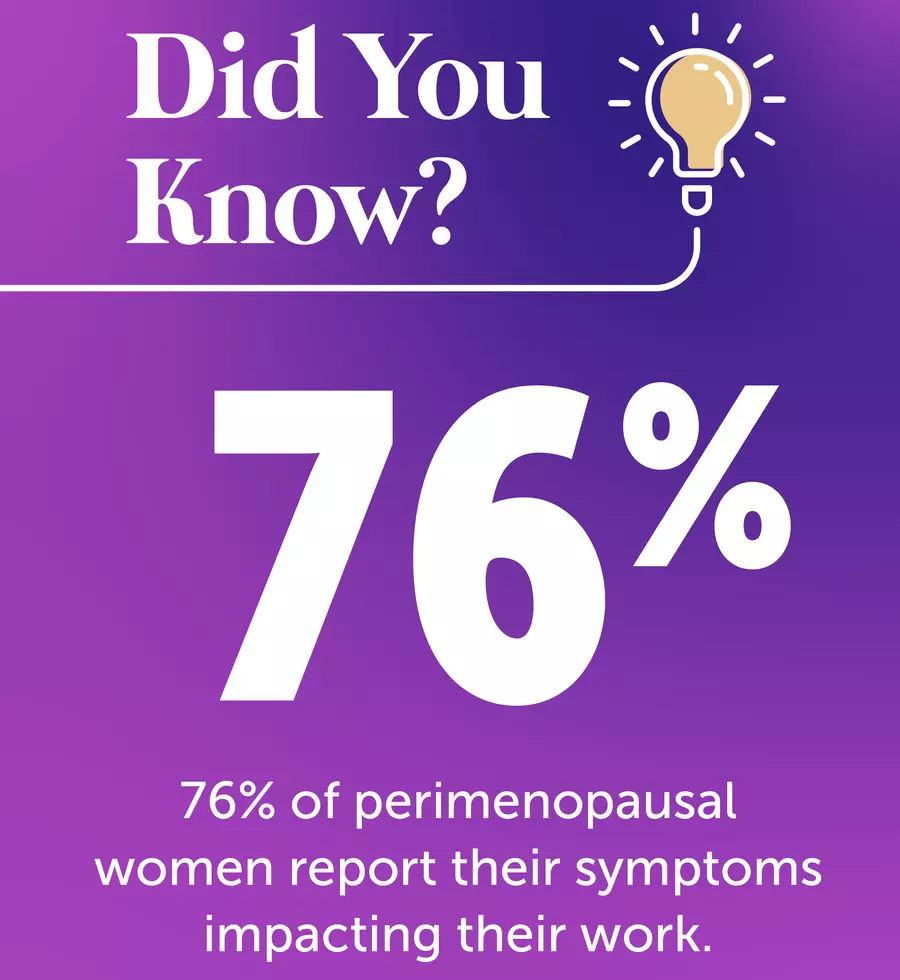 “My moods are all over the place. I find it extremely difficult to stay focused at work,” a woman shared with ThisIsMenopause.
Another survey respondent said, “It has impacted me really badly. I have vertigo, and it is hard to work when those symptoms kick in.”
To prepare for a meeting with a supervisor or manager, write up your concerns ahead of time. You may want to ask a friend to help you organize your thoughts on what you want to discuss with your manager.
It’s important to think carefully about what kind of accommodation you may want, such as a flexible working schedule, regular breaks, working from home, or extra time for some assignments.
Perimenopause can be a stressful time due to the increased anxiety, irritability, and discomfort that many women frequently experience. You may end your workday feeling aggravated or burned out, and it’s important to find ways to recharge through self-care.
“My emotions are all over the place. They affect work, life, everything,” a woman shared in the survey.
Rest, relaxation, and stress management are important parts of self-care. You may need alone time to rejuvenate with a long bath, a refreshing walk, or a hobby you love. Quality time with friends and family can also be energizing. Social and emotional support is important when you’re struggling with menopause symptoms.
Stress management is also key. Meditation, mindfulness training, deep breathing exercises, and practices such as yoga and tai chi can help calm negative thoughts. If you feel stress is taking a toll on your mental health and you need help managing stress, talk to your doctor about a referral for mental health counseling.
Fatigue is common during perimenopause and can be worsened by sleep disturbance and insomnia, which are also common symptoms. Poor sleep and fatigue can also make other symptoms of perimenopause worse, such as irritability and mood changes.
“My mood fluctuates so much that people personally think I’m crazy. I’m very irritable at times, and I stay tired but have trouble sleeping at night. I’m starting to experience hot flashes, and that just puts me over the edge,” a woman shared.
Feeling tired at work can affect your ability to focus, your interactions with co-workers, and the quality of your work. A good sleep routine — also known as sleep hygiene — can help improve your sleep with habits such as:
Along with good sleep practices, healthy lifestyle changes can help boost your sense of well-being and support your overall health. Aim for a nutritious and anti-inflammatory diet that includes lean protein and fish with omega-3 fatty acids, whole grains, legumes, fruits and vegetables, and low-fat dairy.
Avoid foods with added sugar, saturated fats, and too much salt. You might want to bring your lunch to work to help ensure that you’re eating well.
Physical activity and exercise are also important, especially if you spend a lot of time sitting at work. Regular exercise can help reduce perimenopause symptoms such as weight gain, joint pain, bone density loss, mood swings, and sleep problems, while reducing your risk of health conditions such as heart disease and diabetes.
If perimenopause symptoms are making it difficult for you to manage your job or other aspects of your daily life, it’s essential to talk to your healthcare team. Your doctor can explain treatment options that may help regulate symptoms that are affecting you at your job.
Be sure to look for a healthcare provider with experience in women’s health and the treatment of menopause. Although an understanding of menopause has improved in recent years, many doctors still lack training in this area.
 Continue with Facebook
 Continue with Email
Continue with Facebook
Continue with Email
Continue with Email
Continue with Facebook
Continue with Email
Become a member to get even more












Join the conversation
This is a member-feature!
Sign up for free to view article comments.
We'd love to hear from you! Please share your name and email to post and read comments.
You'll also get the latest articles directly to your inbox.