
Making sense of menopause, together.
- Connect with women who get it
- Get expert-reviewed resources
- Learn from real women's experiences
Powered By

 1 Reaction
·
Save
1 Reaction
·
Save
You catch your reflection in the mirror and pause. When did those age spots appear? Do I have more wrinkles? And are those chin hairs?
If your face seems to be changing, you’re not imagining it. In addition to symptoms like hot flashes, night sweats, and weight gain, perimenopause and menopause can also bring noticeable changes to your skin and hair.
Fluctuating hormone levels play a key role in many of the skin changes that happen during perimenopause and menopause.
As estrogen levels drop, collagen production slows. Collagen is a protein that helps keep skin firm and elastic. Research suggests that many women lose a large amount of collagen in the first few years of menopause.
Sebum production also changes during this time. Sebum is a natural oil that helps protect the skin and keeps moisture in. When your skin makes less sebum, or the amount changes from day to day, your skin may become drier and more sensitive.
“My body aches, and my skin feels different,” one woman told ThisIsMenopause. Another said, “I have terrible moods and oily skin.” A third shared, “My skin and hair are very dry.”
These skin changes are common during menopause. Understanding what’s behind them can make them easier to manage and accept. Although everyone’s experience is different, here are seven ways menopause can affect your face.
Dry skin is common during menopause.
As hormone levels decrease, the skin produces less oil. It also loses moisture more easily. This can leave skin feeling tight, dull, flaky, or itchy. If you live in a hot or dry climate, keeping your skin hydrated can be even more challenging.
According to the American Academy of Dermatology, using a mild cleanser and moisturizing your face regularly can help relieve dryness. Look for products with hyaluronic acid or glycerin, which help draw moisture into the skin.
Be gentle when washing your face. Using harsh cleansers or scrubbing too hard with a washcloth or exfoliating pad can make dryness worse and irritate thinning skin.
As collagen production drops during menopause, skin can start to lose firmness and elasticity. This can lead to fine lines and wrinkles. It can also cause sagging along the jawline, under-eye puffiness, and other changes in how your face looks.
 Skin care products with retinol or peptides may help your skin make collagen and slow some of these changes. Protecting your skin from the sun is also important because sunlight can speed up signs of aging.
Before trying new products for wrinkles and sagging skin, talk to a dermatologist or other skin care professional.
Many women are surprised to notice hair thinning on their head and hair growth on their face around the same time. This can happen in the months and years leading up to menopause. As estrogen levels drop, other hormonal shifts can lead to unwanted hair on the chin, jawline, or upper lip.
If facial hair doesn’t bother you, there’s no harm in leaving it. But if you do want to explore hair removal options, talk to a dermatologist. Tweezing, waxing, depilatory creams, and laser treatments are all common solutions, but some may irritate sensitive or thinning skin before and after menopause.
Dark spots, also called age spots or sunspots, are a common sign of aging. They often appear as darker patches of skin on the face, neck, chest, arms, or hands. Dark spots are mainly caused by years of sun exposure, but hormonal changes during menopause can make them more noticeable.
While you can’t undo sun damage once it happens, using sun protection every day can help prevent new spots from developing and reduce the risk of skin cancer.
Dermatologists recommend wearing a broad-spectrum sunscreen with SPF 30 or higher every day. Broad-spectrum means it helps protect your skin from different types of sun damage.
You can wear long-sleeved shirts, pants, and a broad-brimmed hat. Regular skin checks are also important, as the risk of skin cancer increases with age.
Some women are surprised to develop acne and pimples during perimenopause. Like the skin changes that can happen during puberty, these breakouts are linked to hormonal fluctuations.
Acne products developed for teenage skin may be too harsh for more mature skin. Many dermatologists recommend gentle cleansers with ingredients like salicylic acid, which can help unclog pores and reduce breakouts without overly drying the skin.
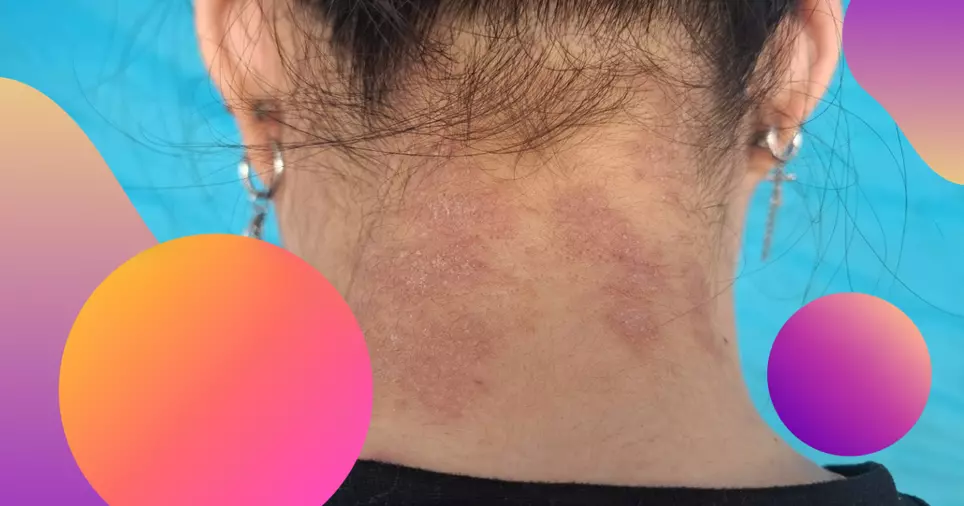
The skin on your face may become more sensitive during perimenopause. Products you once relied on may now cause stinging, discoloration, or irritation. You may also notice areas of skin that appear thinner or bruise more easily. Some women develop frequent rashes or notice that wound healing takes longer.
 If your skin is becoming more sensitive as you approach menopause, try using gentle, fragrance-free products. These can help prevent or reduce irritation. It’s also best to avoid harsh exfoliants.
If you have ongoing rashes or minor cuts and scrapes that aren’t healing, talk to your doctor.
If you’re prone to eczema, rosacea, or other skin conditions, you may notice more frequent or more intense flare-ups. Hormonal changes during perimenopause and menopause can trigger certain skin conditions or make them worse.
If you’ve already been diagnosed with a chronic skin condition, this may be a good time to check in with your dermatologist to adjust your treatment plan if needed.
If you’re having new or unexplained skin symptoms, schedule an appointment with your healthcare provider. It’s important to get an accurate diagnosis and discuss treatment options, if needed.
From serums and ceramides to antioxidants and salicylic acid, there’s no shortage of skin Care products promising younger-looking skin. Laser treatments, chemical peels, and other procedures add even more options.
Some of these approaches are safe and effective for certain people and some skin types, but results vary.
According to the American Academy of Dermatology, a few ingredients are well studied, including:
Because estrogen plays a key role in skin thickness, elasticity, and moisture, some topical estrogen products are marketed specifically for menopausal skin. Topical products are applied directly to the skin.
Small studies suggest that prescription estrogen creams may improve skin hydration and thickness. However, more research is needed to understand the safety and long-term benefits of topical estrogen creams for the face.
If you're concerned about skin changes during perimenopause or menopause, make an appointment with a board-certified dermatologist. They can explain which skin care products may help, how they work, and what risks and benefits you should know about.
For some people, a simple skin care routine, like using a gentle cleanser and a good moisturizer, is enough to improve how their skin looks and feels.
Menopause affects many parts of the body, including skin health, but most menopausal symptoms can be managed with the right support, information, and care team.
 Continue with Facebook
 Continue with Email
Continue with Facebook
Continue with Email
Continue with Email
Continue with Facebook
Continue with Email
Become a member to get even more











Join the conversation
This is a member-feature!
Sign up for free to view article comments.
We'd love to hear from you! Please share your name and email to post and read comments.
You'll also get the latest articles directly to your inbox.