
Making sense of menopause, together.
- Connect with women who get it
- Get expert-reviewed resources
- Learn from real women's experiences
Powered By

 1 Reaction
·
Save
1 Reaction
·
Save
Throughout your reproductive years, you may have gotten used to menstrual cramps and the pain and discomfort they can bring. During perimenopause, however, you might notice a different kind of pain, one that feels like it’s coming from your ovaries.
While ovary pain can be uncomfortable, it’s not uncommon, especially during the menopause transition. Understanding what this pain feels like, what may be causing it, and when to seek medical care can help you feel more confident about your body and your health as you navigate this next phase of life.
In this article, we explain the most common causes of ovary pain, symptoms to watch for, and what treatment options may help, depending on what’s causing your pain.
Sign up to view the results!
 Continue with Facebook
 Continue with Email
Ovary pain, also called ovarian pain, is pain or discomfort felt in or around the ovaries. The ovaries usually sit on either side of the uterus, and pain can occur on one side or both.
Depending on the cause, ovary pain may be felt in the lower abdomen (below the belly button), pelvis, or lower back.
Ovary pain can be chronic, meaning it happens frequently and lasts for months, or acute, meaning it comes on suddenly or comes and goes. Some experience a steady, dull ache, while others feel sharp or intense pain.
During perimenopause, hormonal changes can affect ovulation and the menstrual cycle, which may lead to cramping or discomfort in the ovaries. But ovary pain isn’t always due to fluctuating hormones.
Because many different conditions can cause similar types of pain, it’s important to pay attention to your symptoms and seek medical advice if something doesn’t feel right.
There are many causes of ovary pain related to your menstrual cycle or your reproductive system.
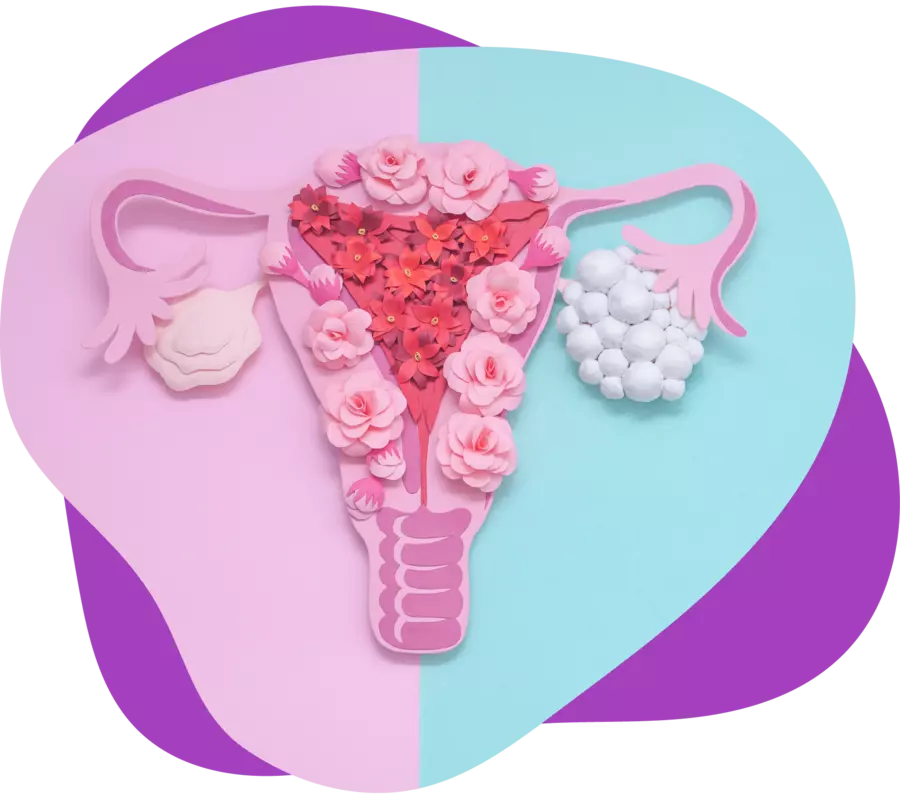 Some common causes of ovary pain include:
Some causes of ovary pain related to the reproductive organs are medical emergencies or life-threatening. These include:
Sudden or severe pain can sometimes be a sign of ovarian torsion or ectopic pregnancy.
Seek prompt medical attention if your pain is intense, comes on suddenly, or is accompanied by heavy bleeding, unusual discharge, fever, nausea, dizziness, or persistent bloating.
It’s also possible that what feels like ovary pain is actually coming from nearby organs, such as the bladder, intestines, kidneys, or appendix.
Other health conditions that can cause pain in the lower abdomen or pelvis include:
Sexually transmitted infections (STIs) can also cause pain that may feel like ovary pain.
If you’re experiencing ovary pain, schedule an appointment with your primary care provider or gynecologist. To help identify the cause of your pain, your provider will ask about your symptoms, medical history, and menstrual cycle.
Before your appointment, it can be helpful to write down details about your pain, including:
Your healthcare provider will likely perform a physical exam. They may also recommend additional testing, such as blood tests or imaging, to better understand what’s causing your pain.
Treatment for ovary pain depends on the underlying cause. Once the source of the pain is identified, your healthcare provider can recommend a treatment plan based on your diagnosis.
Your doctor may recommend over-the-counter or prescriptions treatings, including:
In some cases, additional treatments or procedures may be needed. For example, if ovarian cysts or uterine fibroids are contributing to the pain, your provider may recommend treatment that involves minimally invasive procedures or, in some cases, surgery.
At-home care and lifestyle changes can also help relieve mild or occasional pain. Some options include:
If you’re considering vitamins, supplements, or alternative therapies to treat ovary pain, check with your healthcare provider first to make sure they’re safe and appropriate for you. Some vitamins and supplements can interfere with medications or cause unwanted side effects.
If your symptoms persist, worsen, or continue to affect your daily life even after treatment, ask for a referral to a menopause specialist or another women’s health provider.
Ongoing pelvic pain is something to take seriously, and support is available. You don’t have to live with ovary pain during the menopausal transition.
Continue with Facebook
Continue with Email
Continue with Facebook
Continue with Email
Become a member to get even more










Join the conversation
This is a member-feature!
Sign up for free to view article comments.
We'd love to hear from you! Please share your name and email to post and read comments.
You'll also get the latest articles directly to your inbox.