
Making sense of menopause, together.
- Connect with women who get it
- Get expert-reviewed resources
- Learn from real women's experiences
Powered By



 7 Reactions
·
Save
7 Reactions
·
Save
If your libido (sex drive) has changed during menopause, you may wonder if testosterone can help. Low libido can affect confidence, relationships, and overall well-being. One woman told ThisIsMenopause, “It’s hell. I have no sex drive. The hot flashes suck — I don’t sleep.”
If you’re dealing with low libido during menopause, here’s what you need to know about testosterone.
Hormone replacement therapy (HRT) generally refers to estrogen and progesterone. However, testosterone is also part of women’s health. Women naturally produce small amounts of it in their ovaries and adrenal glands.
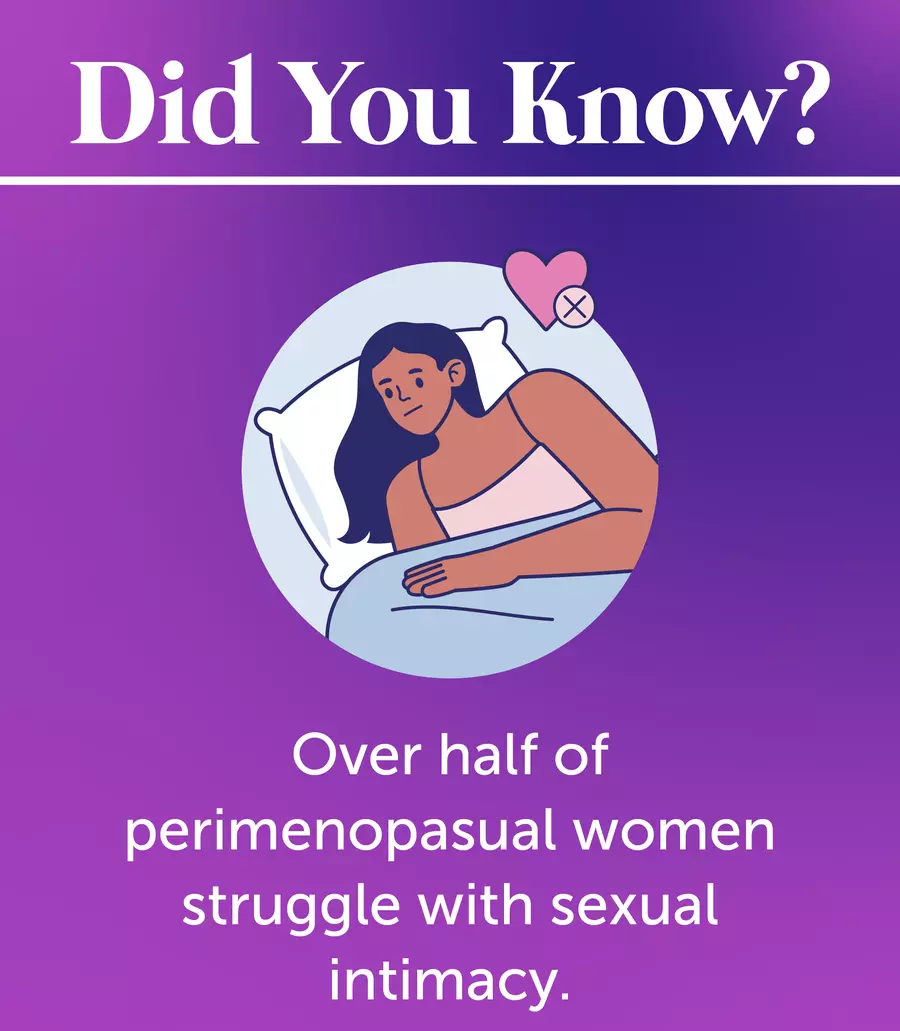 Testosterone plays a role in sexual desire, mood, energy levels, and even motivation. During and after menopause, levels may decline, which can affect sexual desire.
The link between testosterone levels and libido isn’t fully understood. For this reason, treatment decisions are based not only on lab numbers but also on symptoms and overall well-being.
Even so, testosterone is not a standard treatment for menopause. No testosterone products have been approved by the U.S. Food and Drug Administration (FDA) for hypoactive sexual desire disorder (low or no sex drive) in women. Testosterone is usually considered only in specific cases, especially when low libido is causing distress and other treatments haven’t worked.
Low libido during perimenopause and menopause is very common and usually has more than one cause. Hormones play a role, but they’re only part of the picture.
Your body, emotions, and daily life may all be shifting at once. These changes can build over time and affect how you feel about intimacy in ways that may be surprising or hard to explain.
Estrogen levels decline during menopause, which can lead to vaginal dryness and less lubrication. Testosterone also decreases over time, which may lower sexual desire. These hormonal shifts can also affect blood flow and sensitivity, which may change how your body responds during sex and how pleasurable it feels.
Hot flashes, night sweats, and poor sleep can leave you feeling exhausted. When your body is worn down, your brain often has little interest in sex. Even small disruptions in sleep can affect mood, energy, and patience, all of which play a role in desire and connection.
During menopause, mood swings, anxiety, and stress are common and can make it harder to feel relaxed or connected with a partner. Many women are also juggling work, family, and caregiving responsibilities, which can leave little mental space for intimacy or self-care.
Painful sex is one of the main reasons women avoid intimacy during menopause. Vaginal dryness and tissue changes can make penetration uncomfortable or painful. As one woman shared, “I had no sex drive, and when I did, it hurt too bad to be penetrated.”
Treating pain first may help improve desire, since your brain no longer links sex with discomfort.
Testosterone therapy can help some women, but it’s not a guaranteed fix. Research shows it may improve low sexual desire, arousal, and satisfaction in certain cases.
In studies, women using testosterone therapy reported more satisfying sexual experiences per month than those on a placebo (inactive treatment). Some women also reported feeling more mentally interested in sex, not just physically responsive. This may make it easier to initiate intimacy or feel more engaged.
Still, results vary. Some women notice clear improvement, while others report little to no change in sexual satisfaction. Testosterone tends to work best when low libido is not caused by other factors, such as pain, depression, or relationship challenges. Sexual health is complex, and hormones are only part of it.
Testosterone therapy is not recommended for everyone with a low sex drive. Doctors usually consider it for women who feel distressed by low libido and haven’t improved with other treatments.
Candidates are often postmenopausal and otherwise in good health. They’ve usually already addressed other possible causes, such as medication side effects, emotional health, pain with sex, or relationship concerns.
It’s also important to have realistic expectations. Use of testosterone may help, but it’s unlikely to restore libido to what it was decades earlier, especially without addressing other contributing factors. Guidelines recommend trying nondrug approaches before moving to hormone therapy.
Testosterone therapy may offer benefits, but it also comes with risks. Understanding both can help you make an informed decision and feel more confident in your choice.
There’s no single standard form of testosterone for women. Most options are adapted from products designed for men.
The most common form is a topical cream or gel applied to the skin each day. This allows for low, steady dosing that more closely matches natural hormone levels. Other forms, such as patches or pills, exist but are used less often. Injections and pellets are generally avoided because they can deliver doses that are too high and are hard to adjust once given.
Regular follow-up with your healthcare provider is important to make sure the dose stays in a safe range, symptoms are improving, and side effects are caught early.
If your sex drive has changed, it’s a common part of this transition — and it may mean your body needs a different kind of support.
For some women, testosterone products may help. For others, the answer may involve treating pain, improving sleep, reducing stress, or reconnecting with a partner. There isn’t one right path, and there’s no need to rush to find the right treatment options.
The goal is to find what helps you feel more comfortable, more connected, and more like yourself again — at your own pace — to improve your quality of life.
 Continue with Facebook
 Continue with Email
Continue with Facebook
Continue with Email
Continue with Email
Continue with Facebook
Continue with Email
Become a member to get even more












Join the conversation
This is a member-feature!
Sign up for free to view article comments.
We'd love to hear from you! Please share your name and email to post and read comments.
You'll also get the latest articles directly to your inbox.