
Making sense of menopause, together.
- Connect with women who get it
- Get expert-reviewed resources
- Learn from real women's experiences
Powered By

 1 Reaction
·
Save
1 Reaction
·
Save
Skin changes like fine lines often come with age. But if you’ve found that the skin on your face has become drier, duller, or more sensitive to products as you approach menopause, you’re not alone.
Here are the best skin care ingredients that can help you care for your menopausal skin.
Skin changes often appear abruptly during perimenopause, the time leading up to menopause, marked by irregular periods. This is because hormonal changes, in particular falling levels of the hormone estrogen, affect skin cells.
Estrogen helps keep skin moisturized by telling skin cells to produce oil and other hydrating substances. Lower estrogen levels lead to drier skin, which can compromise the skin’s barrier, resulting in skin that’s easily irritated.
 When estrogen levels are low, the body also makes less collagen, the protein that helps keep skin strong and smooth. Less collagen can cause a loss of skin firmness and elasticity. Research has shown that skin can lose as much as 30 percent of its collagen within five years of menopause.
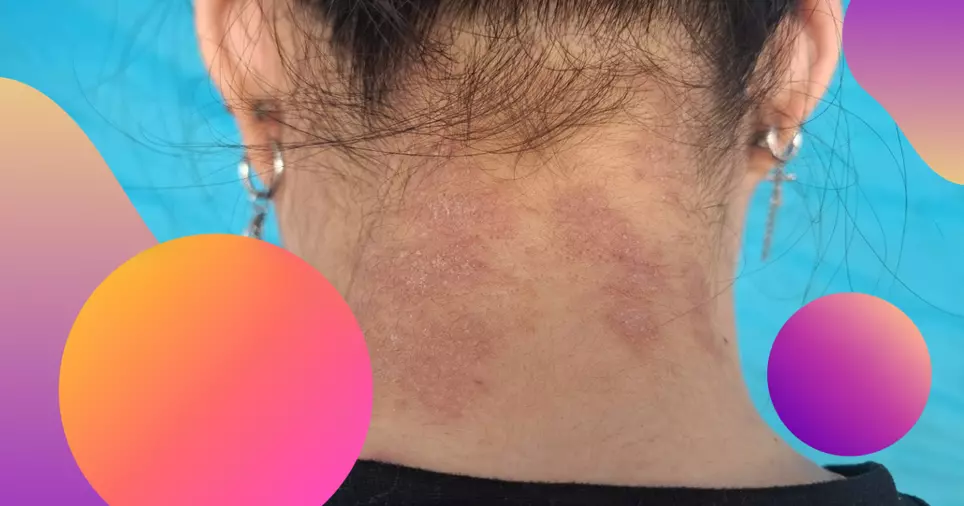
Around menopause, women often develop dry skin, uneven skin texture, wrinkles, thinning or sagging skin, a dysfunctional skin barrier, slowed healing, or sensitive skin.
Whether you’re trying to tackle dryness, breakouts, or irritation, the best skin care ingredients for you will depend on your skin’s unique needs.
 Hyaluronic Acid
Hyaluronic acid helps skin maintain hydration and a strong skin barrier. When levels are low, skin can’t retain as much moisture or protect itself from irritation. Skin care products with hyaluronic acid can help restore moisture to dry skin.
One small study that looked at women between 30 and 65 years old found that use of a hyaluronic acid serum twice daily resulted in a 55 percent increase in skin hydration after six weeks. The serum also significantly improved skin texture, leading to smoother, plumper skin with fewer fine lines and wrinkles.
RetinoidsResearch has shown that retinoids (forms of vitamin A) help improve skin texture and signs of aging by boosting collagen production and the shedding of dead skin cells. Products with retinol (a gentle retinoid) and other retinoids can help keep pores clear while improving dullness, firmness, and wrinkles.
Retinoids are applied directly to the skin as creams, lotions, ointments, gels, or serums.
CeramidesCeramides are an important part of your skin’s barrier — they help skin retain water and block out irritants. The level of ceramides in your skin drops as you age, which can lead to extra-sensitive skin that’s easily irritated.
Older bodies can’t replenish ceramides as easily as younger bodies, which makes ceramide-rich products essential. Ceramides are often found in lotions, creams, serums, moisturizers, and toners.
PeptidesPeptides lay the foundation for proteins like collagen. When applied to the skin, peptides have been shown to increase the body’s collagen production.
Peptides provide benefits similar to retinoids but are usually less irritating, making them a good choice for sensitive skin. However, skin care products with peptides in them are usually expensive and have many other ingredients in them, so it is difficult to know how much benefit is coming from the peptide ingredient or other ingredients in the formulation.
NiacinamideNiacinamide is a type of vitamin B3. As a skin care ingredient, it helps hydrate the skin, calm redness, and prevent collagen breakdown. It also has antioxidants (substances that protect cells against damage), which may promote healthier-looking skin.
Vitamin CVitamin C is a strong antioxidant that helps protect skin cells and collagen. Ascorbic acid (one form of vitamin C) has been shown to boost collagen production, brighten the look of skin, and correct uneven skin tone when applied topically.
SunscreenWearing sunscreen is one of the best ways to promote skin health. The American Academy of Dermatology recommends applying sun protection of SPF 30 or higher daily. Sunscreen can help protect the skin from further damage, improve the look of dark spots, and stop new spots from developing.
Estrogen CreamsSome estrogen creams are marketed for menopausal skin care. These products are not approved by the U.S. Food and Drug Administration (FDA), so women should talk to their healthcare provider if they are considering using a facial estrogen cream.
Small studies suggest that prescription estrogen creams may improve skin hydration and thickness. However, more research is necessary to understand the long-term risks and benefits of estrogen creams for the face.
A good skin care routine can do wonders for your skin in perimenopause and postmenopause. You should talk to your dermatologist about the skin care routine that’s best for your skin. Each person’s skin has different needs and sensitivities that should inform what products are best for them.
A basic morning routine may include using:
In the evenings, your skin care routine might involve using:
You can adjust your routine based on your skin’s needs.
 Continue with Facebook
 Continue with Email
Continue with Facebook
Continue with Email
Continue with Email
Continue with Facebook
Continue with Email
Become a member to get even more











Join the conversation
This is a member-feature!
Sign up for free to view article comments.
We'd love to hear from you! Please share your name and email to post and read comments.
You'll also get the latest articles directly to your inbox.