
Making sense of menopause, together.
- Connect with women who get it
- Get expert-reviewed resources
- Learn from real women's experiences
Powered By

The years leading up to menopause, called perimenopause, can bring many changes. Some, like hot flashes and irregular periods, are often expected. But others, including hair changes, may come as a surprise.
In a ThisIsMenopause survey, many women said they noticed hair changes. “It’s tough, having people look at your hair because once you had a lot and now not much,” shared one member. Another said, “It’s hard on your appearance, and with hair loss, it’s depressing.”
Noticing changes in your hair can feel discouraging. Here are some ways perimenopause can affect your hair and what you can do about it.
Many women going through menopause feel frustrated about hair thinning, dry hair, and changes in hair texture. “My hair has thinned on the top and sides,” explained one ThisIsMenopause member.
One of the most common concerns during perimenopause is hair thinning. Some studies suggest that many women notice some hair loss during menopause. Your ponytail may feel smaller, your part may look wider, or your hair just might not feel as full.
Part of the reason for hair loss is increased shedding. You may notice more hair than usual coming out when you wash or brush your hair. This can be alarming, but it doesn’t always mean permanent hair loss.

This type of hair loss usually happens across the scalp rather than in patches. It’s sometimes called female pattern hair loss. Hair loss may start gradually in perimenopause, and many women don’t fully notice its effects until after menopause.
While you may have less hair growth on your scalp, more hair may appear on your face or chin. This can happen as hormone levels shift during perimenopause. If it bothers you, a dermatologist can talk with you about safe ways to remove or reduce unwanted facial hair.
Some women also say their hair feels different during perimenopause. Hair may feel coarser or more fragile, or it may have more frizz.
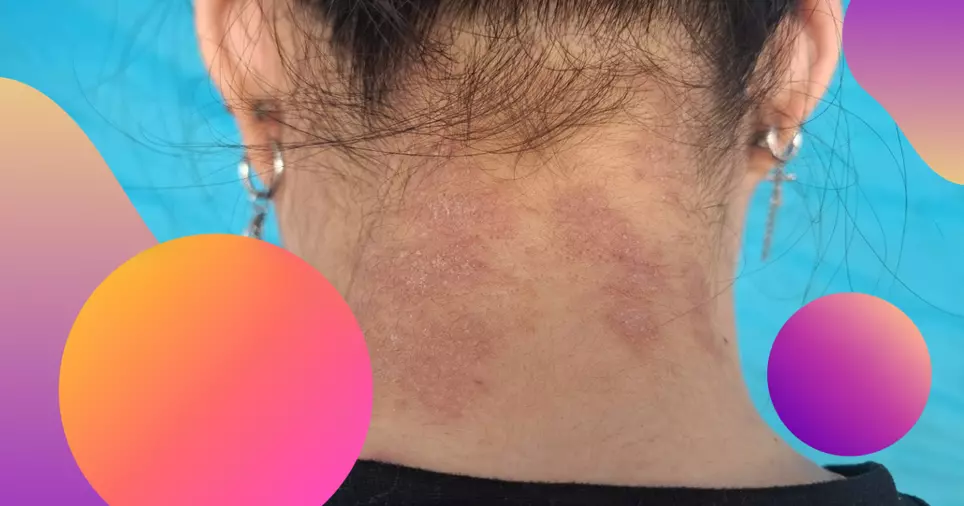
Texture changes can stem from a dry scalp that’s itchy or flaky. When the scalp makes less oil, the hair shafts don’t lie flat. As a result, dry hair may also appear dull.
You may notice more gray hair during perimenopause. Since gray hair tends to be more wiry and curly, having more can lead to more hair texture changes.
Many hair changes during perimenopause happen because of hormone changes. But other causes may be behind these changes as well.
Hormones play a major role in how your hair grows, looks, and feels. During perimenopause, estrogen and progesterone levels rise and fall before they eventually drop.
However, androgens, hormones that affect hair growth, can increase during this time. Women naturally have some androgens throughout their lives. But levels often shift higher during the menopause transition.
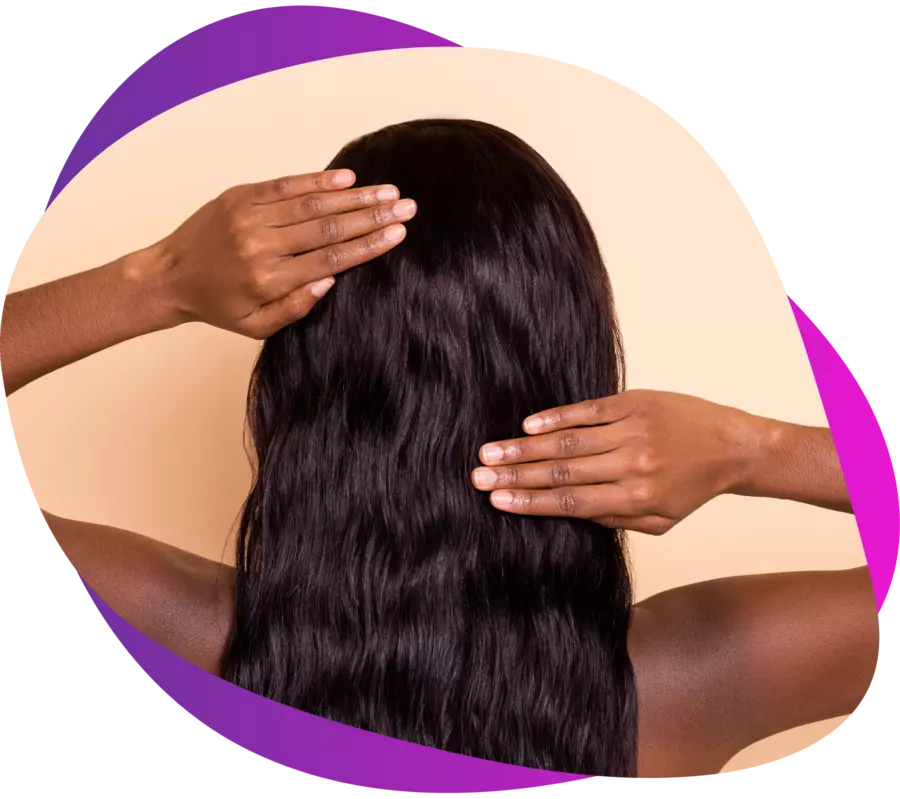 Hormonal changes disrupt the normal hair growth cycle. Lower estrogen levels mean hair spends less time in the growth phase. It can also take longer for hair to grow back after it sheds.
Changes to your hormone levels can affect the size of your hair follicles and the strands that grow from them. Over time, these changes can make hair look thinner overall.
Finally, estrogen also helps the scalp make sebum, the oil that keeps hair soft and shiny. As estrogen levels drop, the scalp may make less sebum.
Beyond hormones, other factors can affect your hair, too. During perimenopause, stress, aging, and diet changes may all play a role.
Aging affects the hair’s protein structure and moisture balance. As hair becomes gray, it’s also more sensitive to ultraviolet light, which breaks down the protein in hair.
Perimenopause can also affect your eating habits. If you’re eating differently to avoid gaining weight or to manage perimenopausal symptoms, you may be missing out on key nutrients that your hair needs.
Some women also have underlying health conditions, such as thyroid disorders, that can affect their hair during this time. These conditions can affect your hair and other parts of your body.
If your hair is changing, you may need to treat it differently. Here are some ideas.
Bleach, perms, and chemical relaxers can cause more breakage and dryness. Consider gentler alternatives.
For instance, you can color your hair with semipermanent hair dye or natural dyes, like henna and indigo. You may also want to think about keeping your natural hair texture instead of using chemical treatments to change it. Experiment with lightweight clip-in extensions, braids, or new hair products for a temporary change in your look.
Styling your hair with heat can also be damaging. Try styling tools that don’t use heat, such as braiding or twisting your hair before bed to create waves.
If you can’t see yourself going without a blow dryer or straightening iron, consider turning down the heat or styling it less often. Protective serums can also help when using heat styling.
Switch to hair care products designed for dry or damaged hair. A satin pillowcase may help reduce friction and damage while you sleep. You can also add a weekly hair mask, deep conditioner, or protein treatment to help your hair feel stronger and look shinier.
In addition, avoid tight hairstyles that pull on your hair. Try to brush and style your hair when it’s dry, since wet hair is more likely to stretch and break.
Your hair may not look the same as it did in your 20s or 30s. But it can still be healthy and feel good with the right care.
Perimenopause and menopause are times of change. You can take the opportunity to reinvent your look in a way that feels right for this stage of life. Maybe it’s time for a new hair color, texture, or style. It may help to find a style that works with the changes you’re seeing.
Connecting with other women can give you tips and support as you go through the changes of menopause. If you see someone with hair you admire, ask them what products they use or who their stylist is.
Finding a hairdresser who listens and gets what you’re going through can also make a big difference. Shop around until you’re happy with the person doing your hair.
You should discuss concerns about your hair with your healthcare provider. They can help you find out whether perimenopause is causing your hair changes or whether another health condition may be involved.
Your provider may recommend blood tests or refer you to a dermatologist. Dermatologists can test for conditions like seborrheic dermatitis or psoriasis. They can also talk to you about medical treatments, like hair transplants and medications.
Sometimes, changes like eating more protein, managing stress, or taking a supplement if your doctor suggests one may help support hair health.
If hair changes are part of a broader group of hormonal symptoms, your healthcare provider may suggest whole-body treatments, such as hormone replacement therapy.
Products like minoxidil can also improve hair growth for some women. You can find minoxidil in over-the-counter serums and shampoos. Prescription-strength minoxidil taken by mouth may also be available through your doctor.
Hair changes during perimenopause can feel upsetting, but you have options. With the right care and support from your healthcare provider, you can find ways to keep your hair as healthy as possible.
 Continue with Facebook
 Continue with Email
Continue with Facebook
Continue with Email
Continue with Email
Continue with Facebook
Continue with Email
Become a member to get even more









Join the conversation
This is a member-feature!
Sign up for free to view article comments.
We'd love to hear from you! Please share your name and email to post and read comments.
You'll also get the latest articles directly to your inbox.