
Making sense of menopause, together.
- Connect with women who get it
- Get expert-reviewed resources
- Learn from real women's experiences
Powered By

 1 Reaction
·
Save
1 Reaction
·
Save
Perimenopause can feel unpredictable and, at times, overwhelming. So it’s not surprising that many women look for quick, easy relief at the pharmacy. Over-the-counter (OTC) products seem like a simple answer. But do they actually help?
The short answer is yes, sometimes, but with limits. Some OTC options may help ease certain menopause symptoms, especially mild ones. Still, they’re not a cure, and research on many of these products has shown mixed results.
Let’s walk through what’s available, what works, what might not, and how to use these products safely.
Before diving into specific products, it helps to understand where OTC treatments fit. Menopausal symptoms are caused mainly by changes in hormone levels, especially estrogen.
Most OTC products don’t directly replace hormones. Instead, they aim to ease symptoms in other ways, such as:
Because of that, some OTC approaches may be most helpful for mild symptoms, while prescription nonhormonal treatments may be considered for more bothersome symptoms.
For more bothersome symptoms of menopause, prescription treatments like hormone replacement therapy (HRT) or certain nonhormonal medications are usually more effective and better studied.
In other words, OTC products can be a helpful starting point, but they’re rarely the full answer on their own.
Hot flashes and night sweats can be among the most frustrating menopause symptoms. OTC options for these symptoms generally fall into two main groups: nondrug cooling strategies and supplements.
These approaches are simple but can be surprisingly helpful for many women experiencing menopause:
These products don’t treat the underlying hormonal changes that cause hot flashes or night sweats, but they may help make symptoms more manageable.
Some small studies suggest that cooling the skin may help reduce how intense hot flashes feel, though it’s less clear whether these strategies reduce how often hot flashes happen. Many women may find that combining several cooling strategies works better than relying on just one.
Herbal supplements are also common OTC options for menopause symptoms. Common examples include soy isoflavones and black cohosh.
The evidence for these supplements is mixed. Some studies have found small improvements in hot flashes, while others have found no benefit.
Larger reviews have found inconsistent results, and organizations such as The Menopause Society note that many herbal remedies lack strong scientific evidence and may carry risks. Overall, any benefit appears to be modest at best.
Possible risks include:
Supplement quality can vary, and labels may not always make it clear how much of each ingredient a product contains, especially in proprietary blends.
Sleep problems are very common during perimenopause. Night sweats, anxiety, and hormone changes can all play a role.
Common OTC sleep aids include diphenhydramine and doxylamine. These are antihistamines (allergy medications) that can cause drowsiness.
Antihistamines may help people fall asleep in the short term, but they don’t always improve sleep quality and are not recommended for regular long-term use.
Many people feel groggy the next day, and risks and side effects become more concerning with age. Possible side effects include:
Melatonin is a hormone that helps control the sleep-wake cycle. It’s widely used as an OTC supplement.
Some research suggests that melatonin may help people fall asleep faster, including in women experiencing menopause. However, results have been mixed, and benefits tend to be modest. It may work best for people who have trouble falling asleep rather than staying asleep.
Melatonin is generally well-tolerated, but some risks include:
Health experts also emphasize that healthy sleep habits are important, because sleep aids alone often aren’t enough. Strategies that can make a meaningful difference include:
Pain is often overlooked in menopause, but it’s common. Many women experiencing menopause report joint pain, headaches, or breast tenderness.
Common OTC pain relievers include:
These are widely used and can be effective for short-term symptom relief.
Healthcare providers commonly recommend these medications to help relieve musculoskeletal pain associated with menopause and other health conditions. They don’t treat the underlying hormonal changes linked to menopause, but they may improve comfort and help people stay active.
In general, these medications are considered reliable options for temporary pain relief, although they are not menopause-specific treatments.
Possible risks and side effects with OTC pain relievers include:
Creams, patches, or gels with menthol, capsaicin, or NSAIDs may help relieve joint or muscle pain.
These products work mainly in the area where they’re applied and tend to cause fewer whole-body side effects than oral pain relievers. They may be especially helpful for sore knees, hands, or shoulders, although relief is usually limited to the treated area.
Here’s the honest answer: Most OTC options help manage symptoms, but they don’t address the underlying hormonal changes linked to menopause.
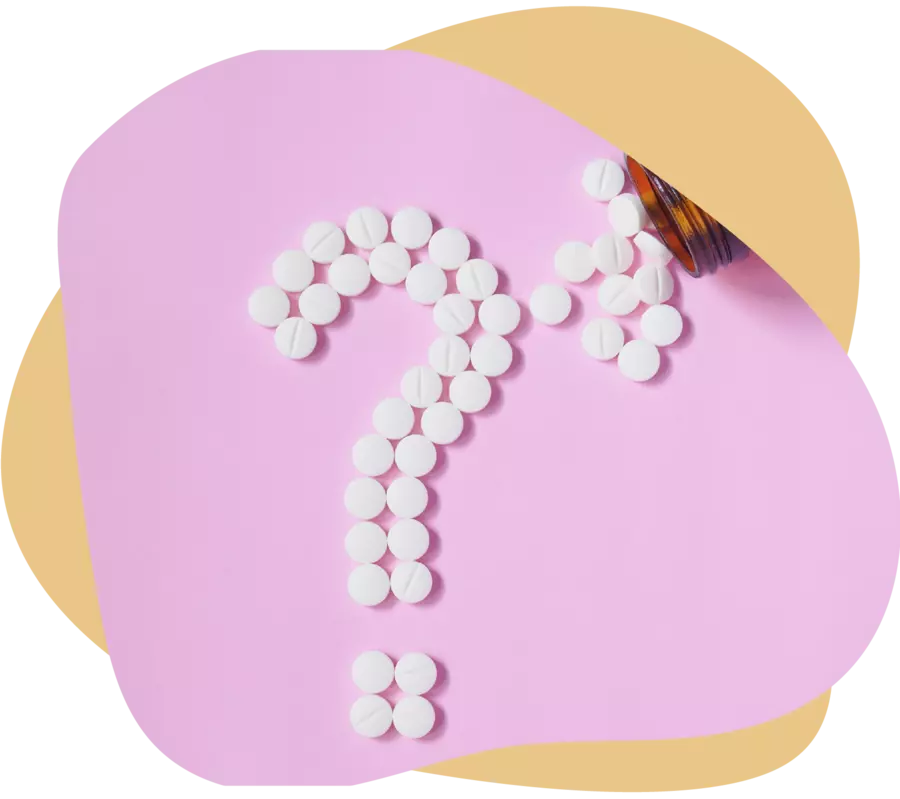 Scientific reviews show that while OTC and nonhormonal approaches can provide symptom relief, their effects are usually more modest than those of prescription treatments.
For example:
These strategies can still be helpful, but it’s important to keep expectations realistic. Many people find that combining several small approaches works better than relying on a single product alone.
Because OTC products are easy to buy, it’s tempting to assume they’re always safe. That’s not always true.
For example, NSAIDs can raise the risk of stomach bleeding or ulcers. Antihistamine sleep aids can raise the risk of confusion or falls, especially in older adults. Even melatonin can interact with prescriptions.
If you’re unsure, a pharmacist can often give quick, practical advice about possible side effects and medication interactions.
OTC treatments may be a good fit if:
These approaches often work best alongside lifestyle strategies such as regular exercise, stress management, and steady sleep routines.
If menopause symptoms start to affect daily life, it may be time to talk with a healthcare provider. Consider seeking medical advice if you have:
Prescription treatments, including hormone therapy and nonhormonal medications, generally have stronger scientific evidence behind them and may provide more consistent symptom relief.
Menopause isn’t something you just have to endure. There are many ways to feel better, and finding the approach often takes some trial and error. Over time, many women find a combination of strategies that helps them feel more comfortable and in control again.
 Continue with Facebook
 Continue with Email
Continue with Facebook
Continue with Email
Continue with Email
Continue with Facebook
Continue with Email
Become a member to get even more










Join the conversation
This is a member-feature!
Sign up for free to view article comments.
We'd love to hear from you! Please share your name and email to post and read comments.
You'll also get the latest articles directly to your inbox.