
Making sense of menopause, together.
- Connect with women who get it
- Get expert-reviewed resources
- Learn from real women's experiences
Powered By

If you’ve been scrolling online, you may have seen ads for herbal teas that claim to ease perimenopause symptoms or balance hormones. The idea of a cup of tea that can reduce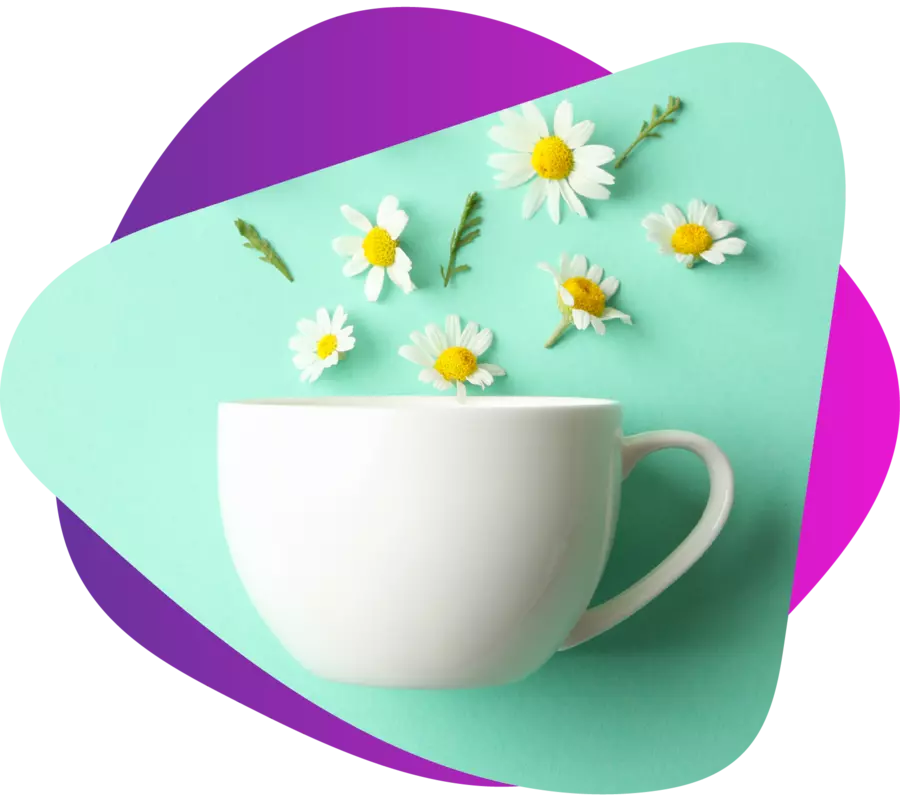 hot flashes, improve sleep, and stop mood swings is appealing, but do these teas really work?
This guide covers herbal teas commonly used to relieve menopausal symptoms and what research says about them. The teas listed below are sold on their own, or they may be part of a tea blend marketed for menopause relief.
Before buying a tea blend, it helps to understand what the research shows and what the risks may be.
The Menopause Society does not recommend the use of herbal remedies for relieving menopause symptoms for two main reasons:
It’s also important to know that in most cases, teas you brew in hot water have not been studied for their menopause benefits. Many of the teas discussed below have been studied as herbal extracts.
You may see products claiming they can “balance hormones” or provide “deep hormonal nourishment.” These claims are not backed by strong evidence. To change your hormone levels, you would need hormone replacement therapy (HRT).
It’s important to talk to your healthcare provider before trying a new over-the-counter product. In some cases, a tea or supplement may not be safe if you have certain health conditions, or it may interact with medications you take.
 Black Cohosh Tea
Black cohosh tea is marketed for hot flashes, anxiety, depression, and other symptoms of menopause.
In 2023, a study found that black cohosh extracts improved symptoms of menopause, including hot flashes, compared with no black cohosh treatment. There was no difference in anxiety or depression symptoms between those who took black cohosh and those who did not.
Some products labeled as black cohosh have been found to contain little or no black cohosh.
Black cohosh may cause liver problems, so it’s best to avoid it if you already have a liver condition. Even in people without liver problems, black cohosh has been linked to liver damage and liver failure.
 Red Clover Tea
Red clover tea contains phytoestrogens, including isoflavones, which can act a little like estrogen in the body. Many menopausal symptoms are linked to falling estrogen levels, so red clover is marketed to relieve hot flashes, night sweats, and mood swings.
A study showed that red clover extract reduced hot flashes by about one to two hot flashes a day. It was more effective in women who had more than five hot flashes a day.
If you use hormone therapy or take birth control medications, it’s best to avoid red clover tea. You should also avoid it if you have a hormone-sensitive cancer, such as some breast or uterine cancers. The added estrogenlike effects may cause side effects. Most researchers have only studied red clover on its own, not with hormone therapy.
Red clover tea can also increase your risk of bleeding if you are already on medications that thin your blood. It’s best to talk to your doctor before taking red clover tea.
Many studies used isoflavone extract from red clover, so it’s not clear whether red clover tea has the same effects. Red clover may help with menopausal symptoms because of its estrogenlike effects, but more research is needed.
 Sage Tea
Sage is commonly used for heavy sweating. Some women use it for hot flashes and night sweats during menopause. It also contains phytoestrogens, which can have a mild estrogenlike effect in the body.
Sage has been shown to reduce the number of hot flashes in postmenopausal women. However, it did not make hot flashes less intense.
In rare cases, large amounts of sage have caused stomach and heart problems. Although sage may reduce the number of hot flashes, there isn’t much research on it yet.
Chamomile TeaSome women claim that chamomile tea can help with hot flashes, sleep problems, and vaginal dryness during menopause. Chamomile contains phytoestrogens and an antioxidant called apigenin.
In 2025, a study found that postmenopausal women who took chamomile capsules for 12 weeks had fewer vasomotor symptoms, such as hot flashes and night sweats, and fewer mood symptoms, such as anxiety and depression.
Another study found that, compared with a placebo gel (a gel with no active ingredients), chamomile gel improved sexual function, including desire, arousal, satisfaction, and lubrication.
When the chamomile gel was compared to estrogen gel, there was no difference between the two in increasing sexual desire, arousal, and lubrication.
Chamomile tea is also known to help some people sleep better. Low levels of apigenin have been linked to lower sleep quality.
Chamomile tea may cause side effects. Some women reported mouth sores, itching, and rash when taking chamomile.
The limited studies don’t look at chamomile tea specifically.
Peppermint Tea Peppermint tea is marketed as a cooling and calming herbal remedy for hot flashes.
Peppermint may have several benefits, including helping with inflammation and stomach symptoms such as constipation, bloating, and heartburn. These are common symptoms after menopause.
If you have acid reflux, you may need to avoid peppermint tea because it can make symptoms worse.
If you have mild symptoms such as bloating and constipation, peppermint tea may help. However, the evidence is still limited.
Licorice Root TeaMany tea products contain licorice root and are marketed to help relieve hot flashes.
Some small studies of licorice root extract have suggested that it may help reduce how often hot flashes happen and how severe they are. However, the evidence is still limited.
Taking too much licorice root can cause your body to hold onto extra water and may lead to high blood pressure. More research is needed to know whether licorice root can reliably help with hot flashes.
Green TeaGreen tea contains caffeine, unlike many other herbal teas, which are caffeine-free. Green tea is claimed to decrease hot flashes, support metabolism, and help ease depression symptoms.
A recent study found that postmenopausal women who drank green tea for a long time had higher estrogen levels. This doesn’t mean green tea can replace hormone therapy or dependably treat menopause symptoms.
The women in the study also had lower rates of depression and better results on some measures related to metabolism, which could be linked to lower inflammation in the body.
Green tea contains caffeine, so some benefits may come from the caffeine. Studies have not compared green tea with a similar amount of caffeine from another source. Research on green tea in women going through menopause is limited.
Green tea contains caffeine, so it can cause difficulty sleeping and jitters.
Green tea is generally safe for overall wellness and may offer health benefits. More research is needed to say it can reliably improve menopause symptoms.
Valerian Root TeaValerian root is promoted as one of the herbal remedies for improving sleep and reducing hot flashes and mood swings associated with menopause.
Valerian root works on receptors in the brain that help the body relax and may improve sleep quality. A small study from the International Journal of Reproductive BioMedicine suggests it may also reduce how often hot flashes happen and how severe they are.
Some studies also suggest it may help reduce depression and anxiety symptoms. Even with these promising results, researchers have not reached a clear conclusion on whether valerian root can reliably treat menopause symptoms.
Valerian root can cause drowsiness, dizziness, and stomach upset. It may also interact with alcohol or other medications that can make you sleepy.
While valerian root tea may help with mild sleep problems or mood swings, it isn’t a proven treatment for menopause symptoms. Use it carefully, and don’t combine it with alcohol, sleep medicines, or other supplements that make you sleepy unless your doctor says it’s OK.
Some herbal teas may help with certain menopause symptoms, but the research is limited, and findings have varied across studies. Most studies have looked at concentrated herbal extracts, not tea brewed at home.
Herbal teas can also cause side effects or interact with medications. If you’re thinking about trying an herbal tea for menopause symptoms, talk with your healthcare provider first. More research is needed to understand whether these teas can safely and consistently help relieve menopause symptoms.
 Continue with Facebook
 Continue with Email
Continue with Facebook
Continue with Email
Continue with Email
Continue with Facebook
Continue with Email
Become a member to get even more










Join the conversation
This is a member-feature!
Sign up for free to view article comments.
We'd love to hear from you! Please share your name and email to post and read comments.
You'll also get the latest articles directly to your inbox.