Making sense of menopause, together.

  • Connect with women who get it
  • Get expert-reviewed resources
  • Learn from real women's experiences
Sign Up Log In
Powered By

13 Ways To Improve Low Libido During Menopause

Medically reviewed by Danielle Grimm, MPH, MSN, CNP, WHNP-BC, MSCP · Written by Torrey Kim · July 17, 2026

Does this sound familiar? “I lack energy and my libido is nonexistent,” said one ThisIsMenopause member. “I feel like everything is dry. Is this the end?”

If so, you’re not alone. Menopause can have a significant effect on libido (sex drive). It can also cause physical changes, such as vaginal dryness or discomfort, that may make sex less enjoyable or even painful.

Here are nine treatment options you can discuss with your doctor or try on your own.

Tip #1

Hormone Therapy

Falling estrogen levels can lead to vaginal dryness, pain or discomfort during sex, and poor sleep — all of which can dampen your sex drive… Read more

Falling estrogen levels can lead to vaginal dryness, pain or discomfort during sex, and poor sleep — all of which can dampen your sex drive. Hormone therapy, also called hormone replacement therapy (HRT), may include estrogen and/or progesterone. It may help relieve some menopause symptoms, which could make sex more comfortable or improve your desire for sex.

Tell us more!
All updates must be accompanied by text or a picture.

Estrogen/Testosterone/Progesterone combination!

Tip #2

Vaginal Estrogen

Low-dose topical estrogen applied directly in or around the vagina can help with vaginal dryness and pain during sex. Because very little is… Read more

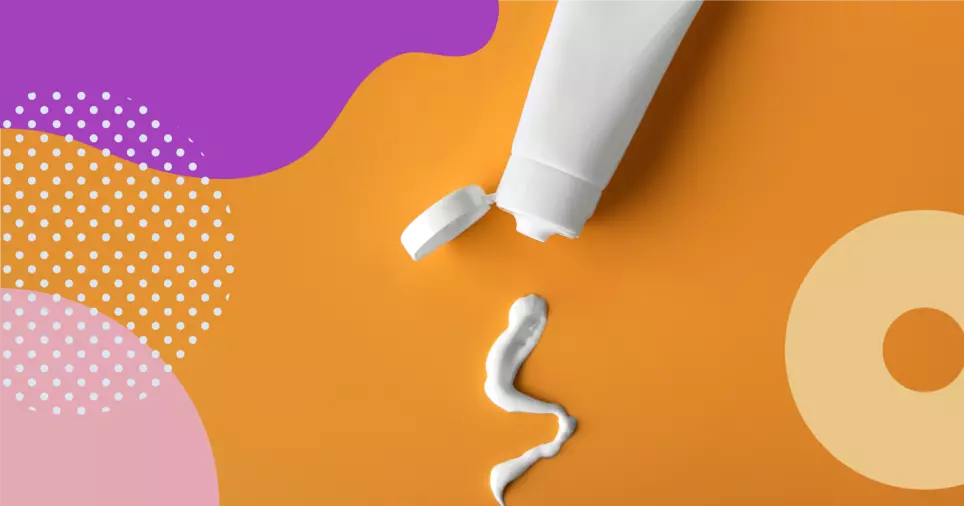
Low-dose topical estrogen applied directly in or around the vagina can help with vaginal dryness and pain during sex. Because very little is absorbed into the bloodstream, it may be an option even if you can’t use systemic estrogen (estrogen that travels throughout the body). Vaginal estrogen can also help with urinary issues, such as frequent urinary tract infections (UTIs), which are also common after menopause.

Tell us more!
All updates must be accompanied by text or a picture.

Would want to try it

Tip #3

Testosterone Therapy

Doctors sometimes prescribe testosterone therapy to help with low libido during menopause. It’s considered an off-label prescription because… Read more

Doctors sometimes prescribe testosterone therapy to help with low libido during menopause. It’s considered an off-label prescription because there are currently no testosterone products approved by the U.S. Food and Drug Administration (FDA) for low libido for women going through menopause. However, research supports carefully prescribed, low-dose testosterone in some cases. The dose is much lower than doses typically prescribed for men.

Tell us more!
All updates must be accompanied by text or a picture.

At this point I will try anything to help my sex drive come back

Tip #4

Nonhormonal Treatment Options

Hormones aren’t the only option. Several nonhormonal prescription treatments can help with vaginal dryness, pain during sex, or low desire. These… Read more

Hormones aren’t the only option. Several nonhormonal prescription treatments can help with vaginal dryness, pain during sex, or low desire. These include oral medications like ospemifene (Osphena), suppositories like intravaginal dehydroepiandrosterone (Intrarosa), and injectables like bremelanotide (Vyleesi). 

Tell us more!
All updates must be accompanied by text or a picture.
Tip #5

Pelvic Floor Therapy

The group of muscles that supports the bladder, uterus, and bowel is called the pelvic floor. When these muscles aren’t working the way they… Read more

The group of muscles that supports the bladder, uterus, and bowel is called the pelvic floor. When these muscles aren’t working the way they should — whether they’re too tight, too weak, or out of sync — sex can become uncomfortable or painful. 

Pelvic floor physical therapy is much more than just Kegels, and sometimes Kegels may do more harm than good. A pelvic floor PT may help address these issues through breathing exercises, abdominal exercises, stretches, internal therapy, and more. Some women see significant improvement after just a few sessions.

Tell us more!
All updates must be accompanied by text or a picture.
Tip #6

Products That May Make Sex More Comfortable

Sex in your 40s and beyond may look different than it did in earlier years — and that’s completely fine. A few products may help with comfort… Read more

Sex in your 40s and beyond may look different than it did in earlier years — and that’s completely fine. A few products may help with comfort, arousal, or both:

  • Sex toys — Vibrators can increase genital blood flow, support arousal, and help with orgasm. They may also be able to reduce bladder incontinence and improve sexual and mental health. 
  • Vaginal moisturizers — Used regularly, these can help maintain vaginal tissue health even beyond sexual activity.
  • Lubricants — Look for water-based or silicone-based lubricants to reduce friction and discomfort during sex. Avoid anything with fragrance or warming agents if you have sensitivity.
Tell us more!
All updates must be accompanied by text or a picture.
Tip #7

Better Sleep

Poor sleep and low libido are closely linked — and during menopause, symptoms like night sweats and insomnia (trouble falling or staying asleep)… Read more

Poor sleep and low libido are closely linked — and during menopause, symptoms like night sweats and insomnia (trouble falling or staying asleep) can make quality sleep hard to come by. Research suggests that getting enough restful sleep supports sexual function, so addressing sleep problems may also help with libido.

Tell us more!
All updates must be accompanied by text or a picture.
Tip #8

Regular Physical Activity

Adding more movement to your day may do more for your sex drive than you’d expect. One study found that women in menopause who exercised… Read more

Adding more movement to your day may do more for your sex drive than you’d expect. One study found that women in menopause who exercised regularly had higher sexual desire than those who were less active. You don’t need a gym membership to get moving — walking, swimming, or cycling are all good options.

Tell us more!
All updates must be accompanied by text or a picture.
Tip #9

Mindfulness-Based Stress Reduction

Stress and anxiety can quietly undermine your sex drive — and mindfulness-based practices may help. Research suggests mindfulness can reduce… Read more

Stress and anxiety can quietly undermine your sex drive — and mindfulness-based practices may help. Research suggests mindfulness can reduce sexual distress (stress or worry related to sex) and improve aspects of sexual function during menopause. It also doesn’t require a prescription, a gym membership, or leaving the house.

A few ways to get started:

  • Meditation — Even 10 minutes a day may help reduce stress and improve body awareness.
  • Yoga — Yoga combines movement and breath work in a way that supports both physical and mental well-being.
  • Body scans — This guided practice can help you reconnect with physical sensations.
  • Mindful walking — This practice brings mindfulness into everyday movement without any special equipment.
Tell us more!
All updates must be accompanied by text or a picture.
Tip #10

Start Kegels

Pelvic floor muscles support arousal, sensation, and orgasm, and menopausal changes can affect how they function. Kegel exercises — squeezing the… Read more

Pelvic floor muscles support arousal, sensation, and orgasm, and menopausal changes can affect how they function. Kegel exercises — squeezing the pelvic floor muscles as if you were stopping the flow of urine, holding a few seconds, then releasing — may improve strength and sexual function. 

One caution: if sex is painful or your pelvic floor feels tight rather than weak, Kegels can make things worse. Ask your doctor about pelvic floor physical therapy instead.

Tell us more!
All updates must be accompanied by text or a picture.
Tip #11

Talk to Your Partner

Changes in desire can be hard to talk about, especially if you are worried about disappointing someone. But partners tend to fill a silence with… Read more

Changes in desire can be hard to talk about, especially if you are worried about disappointing someone. But partners tend to fill a silence with their own explanation, and it’s usually the wrong one. 

Naming what has changed — what feels good now, what hurts, what you want to try — takes the guesswork out of it. If the conversation keeps stalling, a sex therapist or couples counselor can help you start it.

Tell us more!
All updates must be accompanied by text or a picture.
Tip #12

Rebuild Your Confidence

Libido is not only physical. If you no longer recognize your own body, or you have absorbed the idea that desire has an expiration date, that… Read more

Libido is not only physical. If you no longer recognize your own body, or you have absorbed the idea that desire has an expiration date, that tends to show up in the bedroom. Some women find it helps to notice what their body can do rather than how it has changed. 

It can help to seek out stories of midlife women who still feel like themselves. Wanting sex after menopause is common, not unusual.

Tell us more!
All updates must be accompanied by text or a picture.
Tip #13

Connect With Other Women

Low libido during menopause is extremely common, but almost nobody says so out loud. Hearing other women describe the same feelings tends to take… Read more

Low libido during menopause is extremely common, but almost nobody says so out loud. Hearing other women describe the same feelings tends to take the shame out of them. That matters, because stress and self-consciousness can suppress desire on their own. 

Whether it’s this community, one friend, or a group, saying your truth to someone who recognizes it helps.

Tell us more!
All updates must be accompanied by text or a picture.

What Has Helped Your Libido?

What did we miss? We’d love to hear what has helped you rediscover your sex drive during menopause. Share your tried-and-true strategies for navigating menopause-related libido changes below.

All updates must be accompanied by text or a picture.
A ThisIsMenopause Member

Nothing

We'd love to hear from you! Please share your name and email to post and read comments.

You'll also get the latest articles directly to your inbox.

Subscriber Photo Subscriber Photo Subscriber Photo
12,459 members
This site is protected by reCAPTCHA and the Google Privacy Policy and Terms of Service.
Privacy Policy Terms of Use
Share this article
Continue with Facebook Continue with Google
By joining, you accept our Terms of Use, and acknowledge our collection, sharing, and use of your data in accordance with our Health Data and Privacy policies.
Already a member? Log In

Thank you for subscribing!

Become a member to get even more

See answer