Making sense of menopause, together.

  • Connect with women who get it
  • Get expert-reviewed resources
  • Learn from real women's experiences
Sign Up Log In
Powered By

12 Ways To Manage Menopause-Related Weight Gain

Medically reviewed by Ellen Byars, MSN, WHNP, MSCP · June 15, 2026

Maybe your clothes don’t fit like they used to, or perhaps the number on your scale keeps creeping higher. Menopause-related weight changes are common, and they can be frustrating, but there are real options that may help.

Read on to discover 12 solutions for managing menopause weight gain. What works for one person may not work for another, and you may need to adopt several approaches to see an impact. Let us know which of these strategies have helped you.

Tip #1

Start Strength Training

Muscle mass naturally declines with age and falling estrogen, which slows down your metabolism. Strength training twice a week or more helpsRead more

Muscle mass naturally declines with age and falling estrogen, which slows down your metabolism. Strength training twice a week or more helps build and preserve lean muscle, which supports metabolism and may help reduce menopause-related weight gain.

Tell us more!
All updates must be accompanied by text or a picture.

Regardless of weight gain, strength training in this stage of life is essential. I've found a free video series for women over 50 on youtube to help keep me motivated and ensure I'm using my time… read more

Tip #2

Add Some Aerobic Exercise

While strength training helps preserve lean muscle, incorporating aerobic exercise into your routine can help you burn calories. Aim for 150Read more

While strength training helps preserve lean muscle, incorporating aerobic exercise into your routine can help you burn calories. Aim for 150 minutes of aerobic exercise per week. You might consider walking, swimming, running, or practicing high-intensity interval training (HIIT). 

Tell us more!
All updates must be accompanied by text or a picture.

I walk and play tennis; unfortunately not enough to combat the weight gain that's occurred in the last 15 years.

Tip #3

Limit Refined Carbs and Added Sugars

When your estrogen levels decline, your body may become more insulin-resistant. For some people, this means blood sugar spikes more easily.Read more

When your estrogen levels decline, your body may become more insulin-resistant. For some people, this means blood sugar spikes more easily. Cutting back on refined carbs (like white bread or pasta) and added sugars (like those in soda or desserts) can help stabilize blood sugar, reduce fat storage (especially around the abdomen), and sustain energy. 

Tell us more!
All updates must be accompanied by text or a picture.
Tip #4

Eat More Protein

Protein helps keep you feeling full and preserves muscle mass during weight loss. During the menopause transition, women should aim for a dailyRead more

Protein helps keep you feeling full and preserves muscle mass during weight loss. During the menopause transition, women should aim for a daily intake of 1.2 grams of protein per kilogram of their body weight. Tasty high-protein options include fish, chicken, eggs, lean beef and pork, beans, and nuts.

Tell us more!
All updates must be accompanied by text or a picture.

I'm a huge believer in protein AND strength training - both essential for long term health at this stage of life.

Tip #5

Increase Your Fiber Intake

Fiber slows digestion, promotes feelings of fullness, feeds beneficial gut bacteria, and helps stabilize blood sugar. You should aim for 25 to 30Read more

Fiber slows digestion, promotes feelings of fullness, feeds beneficial gut bacteria, and helps stabilize blood sugar. You should aim for 25 to 30 grams of fiber per day to support both weight management and overall gut health. Reach for fruits like apples or blueberries, vegetables such as kale, nuts like almonds, and whole grains, including brown rice and quinoa.

Tell us more!
All updates must be accompanied by text or a picture.

Yes! I eat a fiber cereal which makes me feel full.

Tip #6

Consider Intermittent Fasting

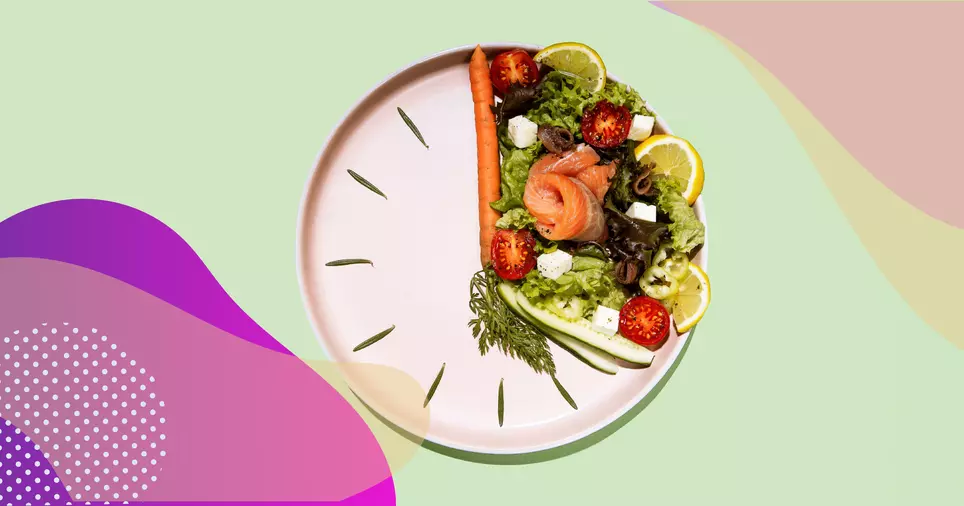
Intermittent fasting is the practice of only eating during a defined window (such as six or eight hours per day), which can help reduce overallRead more

Intermittent fasting is the practice of only eating during a defined window (such as six or eight hours per day), which can help reduce overall calorie intake and improve insulin sensitivity. Some research suggests intermittent fasting may help reduce visceral (abdominal) fat, although it’s not proven to work better than other calorie-reduction approaches. Fasting isn’t for everyone, and if you have a history of disordered eating, proceed with caution.

Tell us more!
All updates must be accompanied by text or a picture.
Tip #7

Work With a Registered Dietitian

Professional advice can be helpful when you’re overwhelmed by menopause. A registered dietitian can create a personalized eating plan thatRead more

Professional advice can be helpful when you’re overwhelmed by menopause. A registered dietitian can create a personalized eating plan that accounts for menopause-specific metabolic changes, food preferences, and any other health conditions. You can ask your doctor for a referral or seek out a telehealth option. 

Tell us more!
All updates must be accompanied by text or a picture.

Worked with Culina Health (covered by my insurance after referral from my doctor) and learned a lot of tips to maintain everyday behavioral changes. I had some success with weight loss, though… read more

Tip #8

Consider Hormone Therapy

Estrogen plays a role in how your body distributes and stores fat, but during perimenopause your body starts producing less estrogen. MenopauseRead more

Estrogen plays a role in how your body distributes and stores fat, but during perimenopause your body starts producing less estrogen. Menopause hormone therapy (also known as hormone replacement therapy or HRT) may help limit the accumulation of abdominal fat and improve insulin sensitivity in some people. Menopause hormone therapy is considered weight neutral, meaning it has not been shown to cause weight loss.

Tell us more!
All updates must be accompanied by text or a picture.
Tip #9

Ask Your Doctor About Weight-Loss Medications

For some women, antiobesity medicines can help with weight loss. You may be curious about medications such as tirzepatide (Zepbound) andRead more

For some women, antiobesity medicines can help with weight loss. You may be curious about medications such as tirzepatide (Zepbound) and semaglutide (Wegovy), which are glucagon-like peptide 1 (GLP-1) receptor agonists. They mimic a hormone that regulates appetite and blood sugar. 

When combined with lifestyle changes, some GLP-1s have shown strong results for weight loss in women of all ages, including those in perimenopause and menopause. They’re typically reserved for people with a body mass index (BMI) score in the obese category or those who are overweight with other health conditions. Check with your doctor to see if this medication is right for you. 

Weight-loss medications usually require long-term use because stopping the medication leads to weight regain.

Tell us more!
All updates must be accompanied by text or a picture.
Tip #10

Check Your Thyroid Levels

An underactive thyroid (known as hypothyroidism) causes fatigue, slows your metabolism, and can lead to weight gain — symptoms that overlapRead more

An underactive thyroid (known as hypothyroidism) causes fatigue, slows your metabolism, and can lead to weight gain — symptoms that overlap significantly with menopause. Because they're so easy to confuse, ruling out a thyroid issue with a blood test can be an important first step. If you have symptoms that could be related to thyroid disease, your doctor can request a thyroid panel.

Tell us more!
All updates must be accompanied by text or a picture.
Tip #11

Reduce Your Stress

Chronic stress elevates a hormone called cortisol, which directly promotes fat storage around the abdomen. Practices like meditation, yoga, andRead more

Chronic stress elevates a hormone called cortisol, which directly promotes fat storage around the abdomen. Practices like meditation, yoga, and breathwork can help manage stress and support healthy lifestyle habits.

Tell us more!
All updates must be accompanied by text or a picture.
Tip #12

Ensure Good Sleep

Poor sleep can lead to weight gain or difficulty maintaining a balanced weight. Practice good sleep hygiene by having a regular bedtime andRead more

Poor sleep can lead to weight gain or difficulty maintaining a balanced weight. Practice good sleep hygiene by having a regular bedtime and avoiding screen time before bed. 

If you struggle with insomnia, seek an evaluation from your medical provider. You may need a sleep study, which can diagnose sleep disorders and help determine the best treatment.

Tell us more!
All updates must be accompanied by text or a picture.

yes sleep has helped so much

Now it's your turn

What Has Helped You Manage Your Weight?

What did we miss? We’d love to hear what helps you manage your weight. Share your best tips for navigating weight gain during menopause below.

All updates must be accompanied by text or a picture.
A ThisIsMenopause Subscriber

If you lost weight how to gain weight back on

We'd love to hear from you! Please share your name and email to post and read comments.

You'll also get the latest articles directly to your inbox.

Subscriber Photo Subscriber Photo Subscriber Photo
6,123 members
This site is protected by reCAPTCHA and the Google Privacy Policy and Terms of Service.
Privacy Policy Terms of Use
References
  1. Aging of the Musculoskeletal System: How the Loss of Estrogen Impacts Muscle Strength — Bone
  2. The Reality of Menopause Weight Gain — Mayo Clinic
  3. The Link Between Menopause and Diabetes — The Ohio State University
  4. Diabetes Management: How Lifestyle, Daily Routine Affect Blood Sugar — Mayo Clinic
  5. What Are the Best and Worst Foods To Balance Blood Sugar? — UnityPoint Health
  6. Protein May Help Boost Weight Loss and Improve Overall Health — KU Medical Center
  7. Protein Needs for Adults 50+ — Stanford Lifestyle Medicine
  8. Fiber — The Nutrition Source
  9. How Fiber Can Help Manage Your Weight and Feel Full — Nuvance Health
  10. Belly Fat: What’s Estrogen Got to Do With It? — University of Rochester Medicine
  11. Influence of Menopausal Hormone Therapy on Body Composition and Metabolic Parameters — BioResearch Open Access
  12. Menopause, Insulin Resistance & Diabetes Risk — Franciscan Health
  13. Intermittent Fasting: What Is It, And How Does It Work? — Johns Hopkins Medicine
  14. Visceral Fat — Cleveland Clinic
  15. Nutrition Essentials | Can Adjusting Your Diet Ease Menopause Symptoms? With Lynn Pattimakiel — Cleveland Clinic
  16. Zepbound vs. Wegovy: How Do They Compare? — Baptist Health
  17. Women in Menopause Benefit From GLP-1 Weight-Loss Medications as Much as Younger Women — NewYork-Presbyterian
  18. FDA Approves New Medication for Chronic Weight Management — U.S. Food and Drug Administration
  19. Cortisol and Your Waistline: The Unseen Battle — Torrance Memorial
  20. Hypothyroidism (Underactive Thyroid) — Cleveland Clinic
  21. The Best Way To Work Out After Menopause — UCLA Health
  22. Midlife Weight Gain — The Menopause Society​​​​​​


Continue with Facebook Continue with Google
By joining, you accept our Terms of Use, and acknowledge our collection, sharing, and use of your data in accordance with our Health Data and Privacy policies.
Already a member? Log In

Thank you for subscribing!

Become a member to get even more

See answer